A Cultural Icon: The Humble Plastic Chair
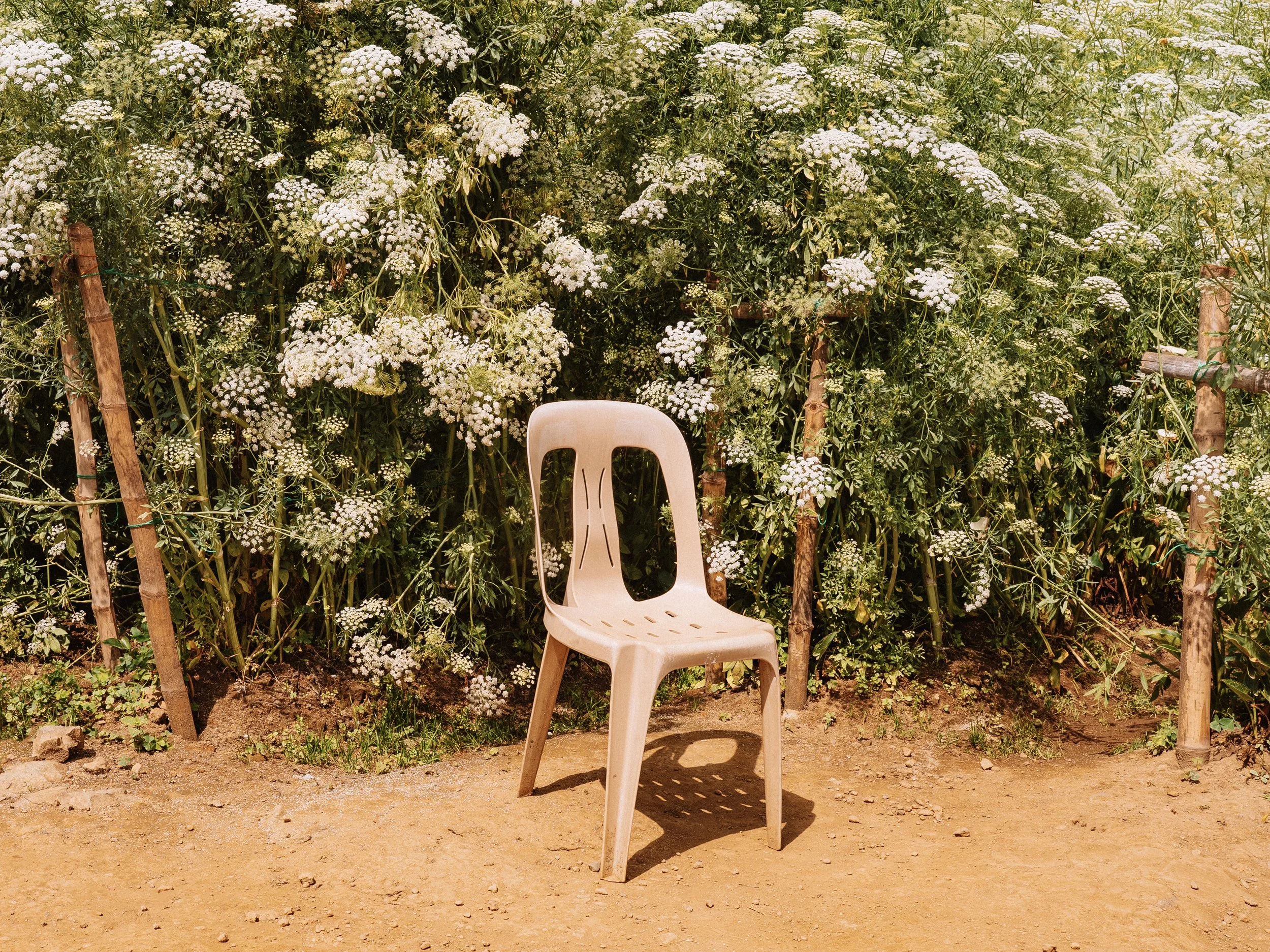
When the idea of MADE IN KIN began swirling around in my mind, the first image that surfaced wasn’t a logo or a colour palette. It was a chair – the kind almost every household of colour recognises instantly. Lightweight, sun-faded at the edges, treated less like furniture and more like extended family. A chair that has seen everything and held everyone.
Long before it became a symbol for what I’m building here, it belonged to us – to our homelands, our streets, our families, our stories.
Across many of our homelands – from Southeast Asia to the Middle East, from the Caribbean to West Africa, from Latin America to the Pacific Islands – these plastic chairs are part of the infrastructure and architecture. They form the original social network and act as a national backbone. Whether at a Thai night market, a Kenyan church service or a Brazilian street festival, they were always there, holding everyone equally.
Here in Australia, you’ll find these chairs too. They pop up at community events and get wheeled out for backyard barbecues. Often described as convenient outdoor chairs – cheap, practical, stackable. Something you pull out for extra guests, then store away in the shed when the moment passes. Something to apologise for when no other seat is available.
But for many of us, they were never temporary. They were essential.
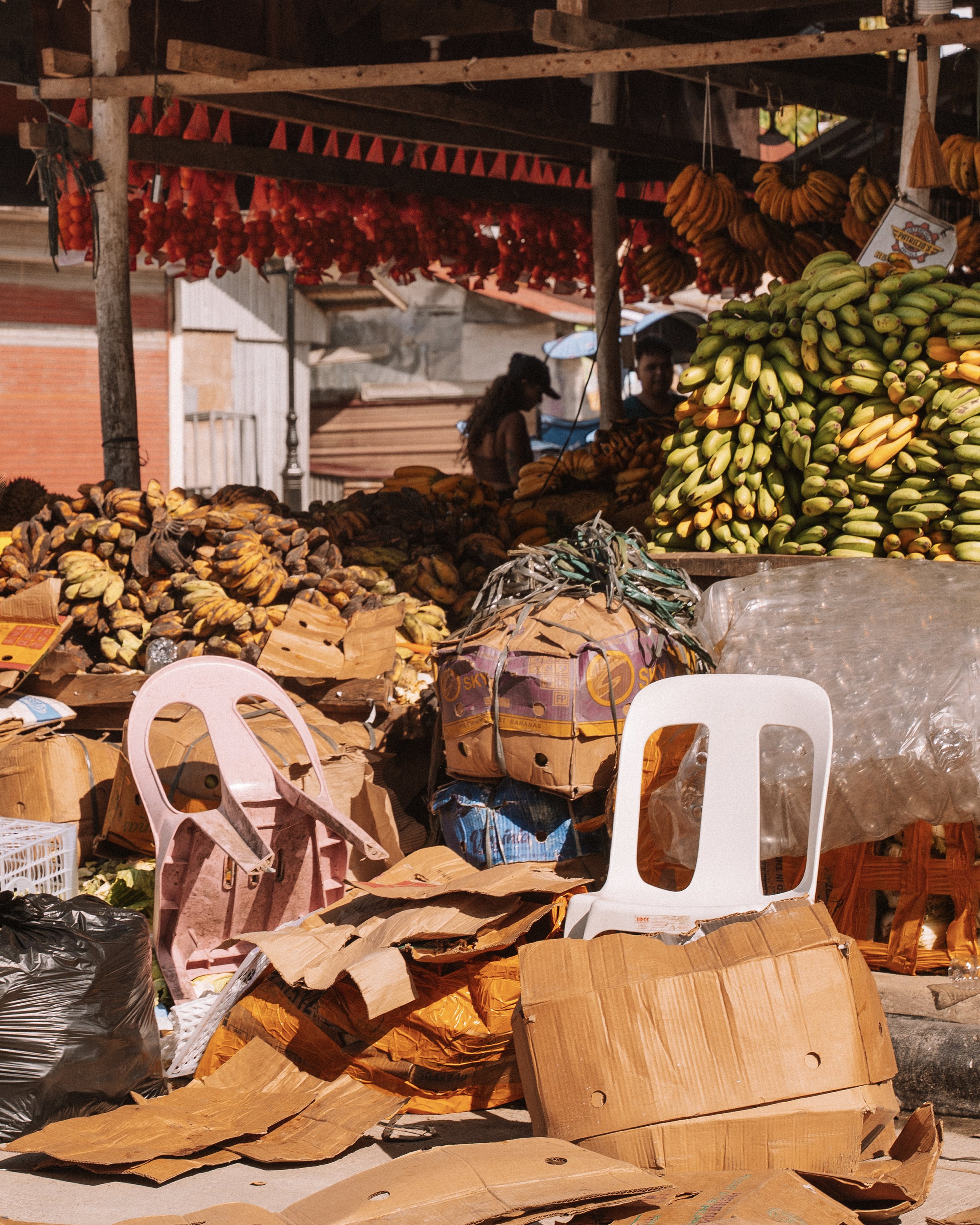
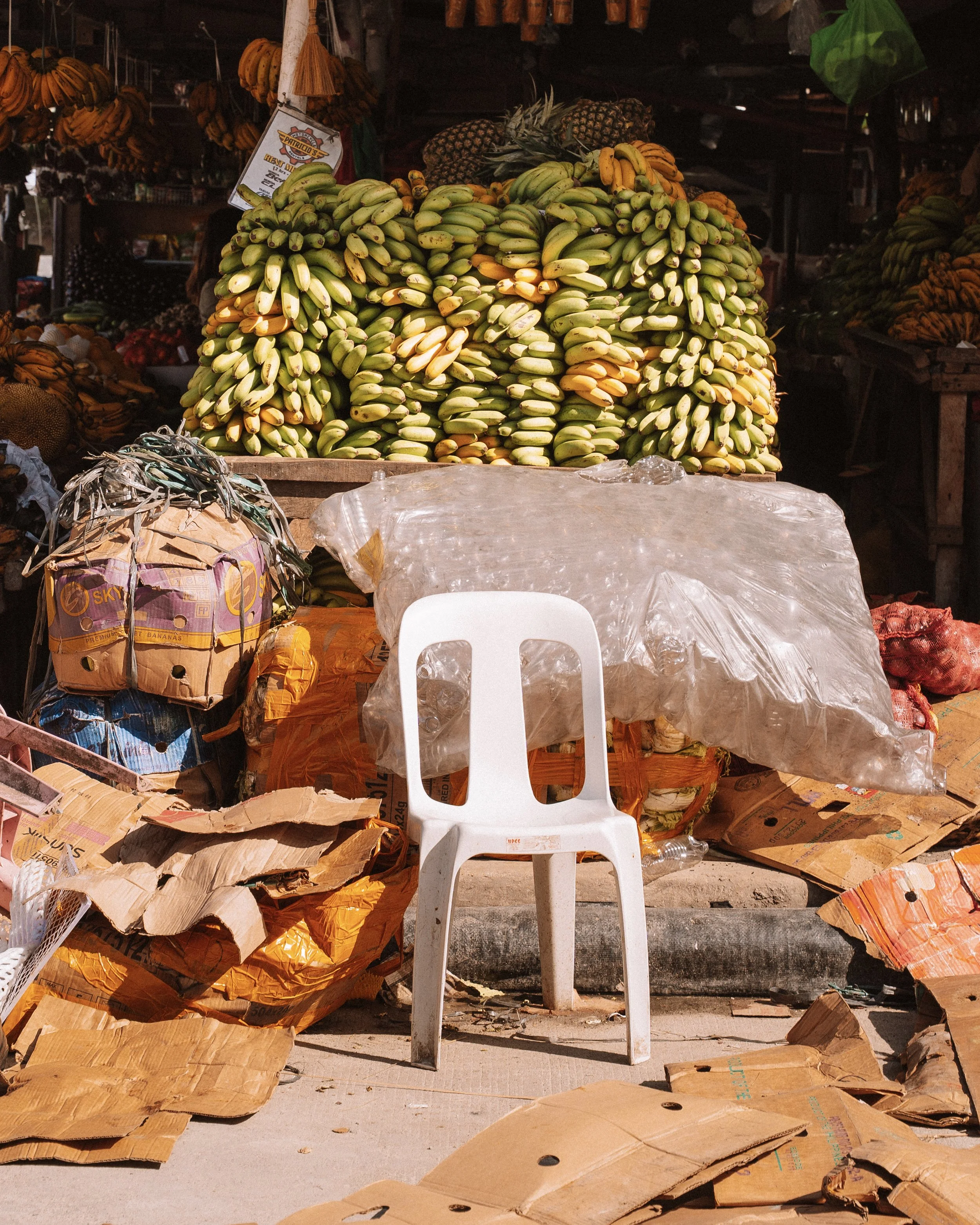
In our homelands, these chairs didn’t wait for aesthetic approval to earn their place. They existed to include. They gathered people where they were, as they were. When we encounter them here, they act as a shortcut to memory – pointing us back to our motherlands, our families and the communities that once stretched across neighbourhoods.
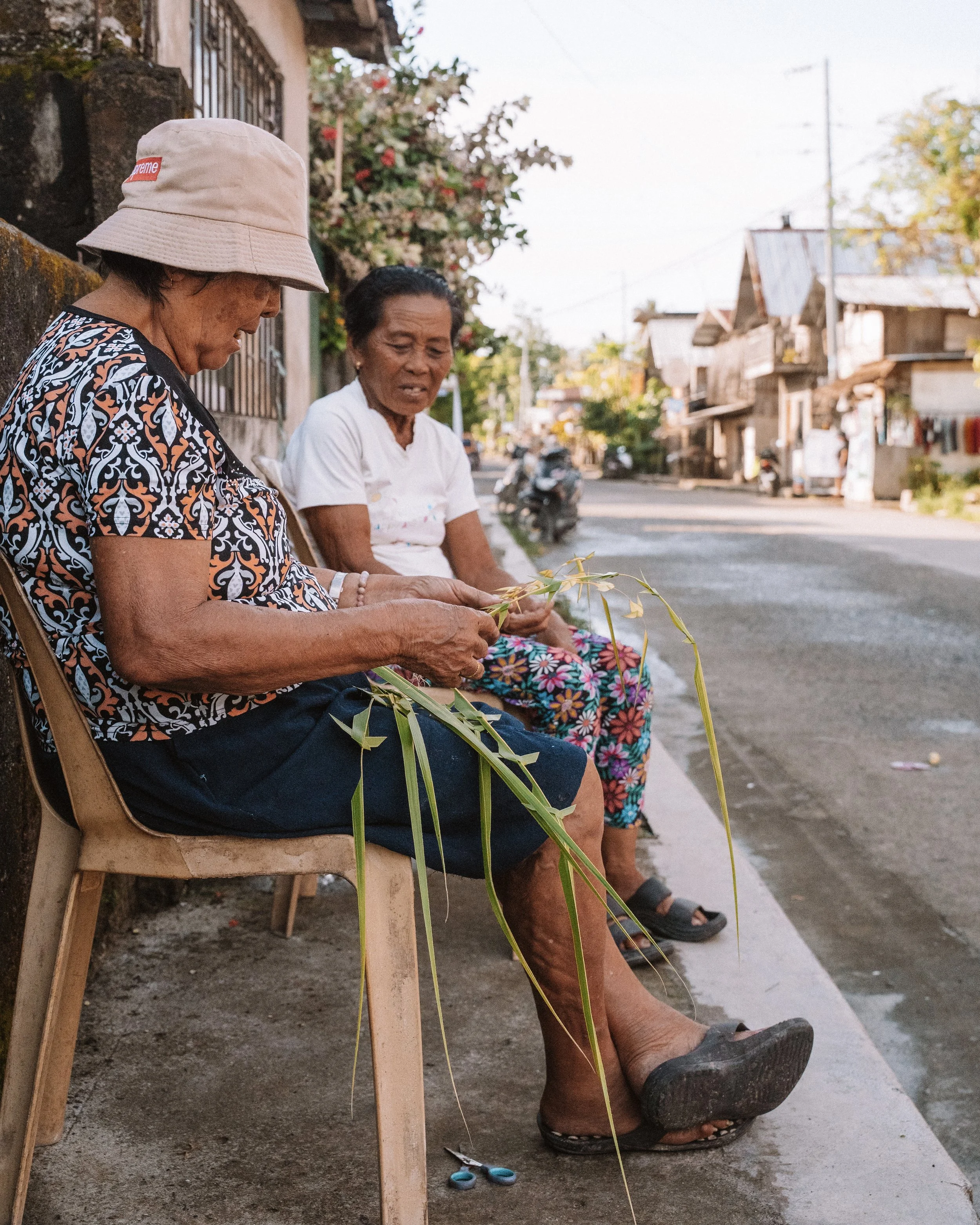
In my own motherland of the Philippines, they are everywhere. They sit around dining tables overflowing with food, not as last-minute seating but as permanent fixtures of family life. They line the front of our grandparents’ homes as neighbours stop to chat, fill birthday feasts and local eateries and quietly witness weddings and wakes. They appear in busy classrooms, corners of community halls, market stalls and hospital corridors – anywhere life happens.
On any given day, the same chair might start the morning in the kitchen, creaking under a Lola (grandmother) as she slices snake beans for pancit (noodle dish) later that day, spend the afternoon outside catching breeze and chismis (gossip), then be wiped down and pulled back into service for a late-night karaoke session, where an overconfident uncle will almost certainly test its limits.
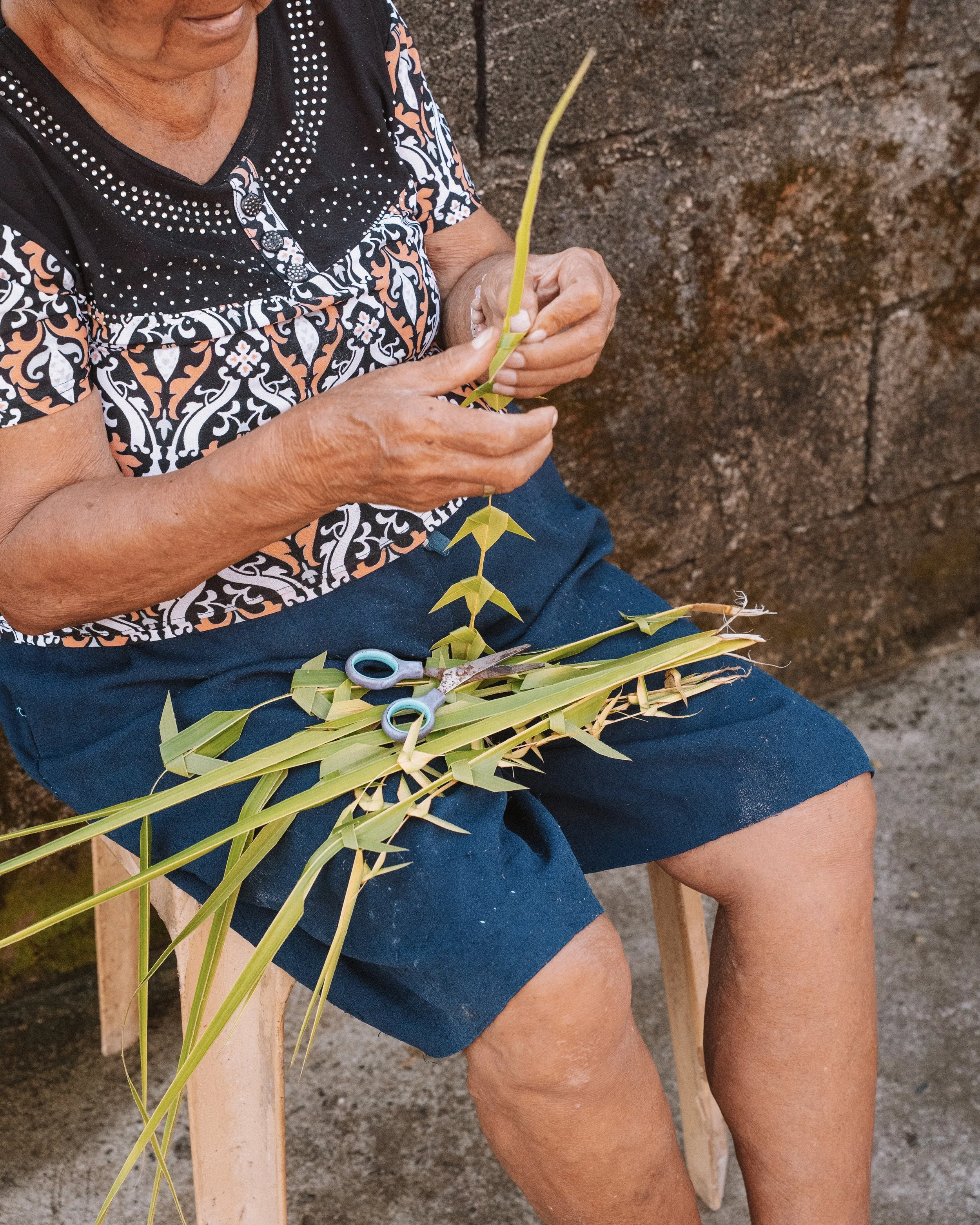
These chairs were never treated gently. They were dragged across concrete, leaned back on until legs cracked, repaired with tape when one snapped. But they were never thrown out for wobbling. They were reassigned. The good ones stayed inside. The slightly broken ones went outside. The worst ones were kept just in case.
There is comfort in how dependable they are. They never match anything, yet they belong everywhere. They are democratic furniture – no pretence, no exclusivity, just pure utility and warmth. And despite their simplicity, they have held generations through joy, heartbreak, celebration, boredom, grief, gossip, growth and good food.
Perhaps that’s why the plastic chair endures. It doesn’t ask who you are or what you bring. It doesn’t signal status or taste. It simply makes room. And in a world that so often withholds space, that quiet generosity feels deeply radical.
It is, in many ways, the perfect symbol for MADE IN KIN.