What Filipino Homes Teach Us
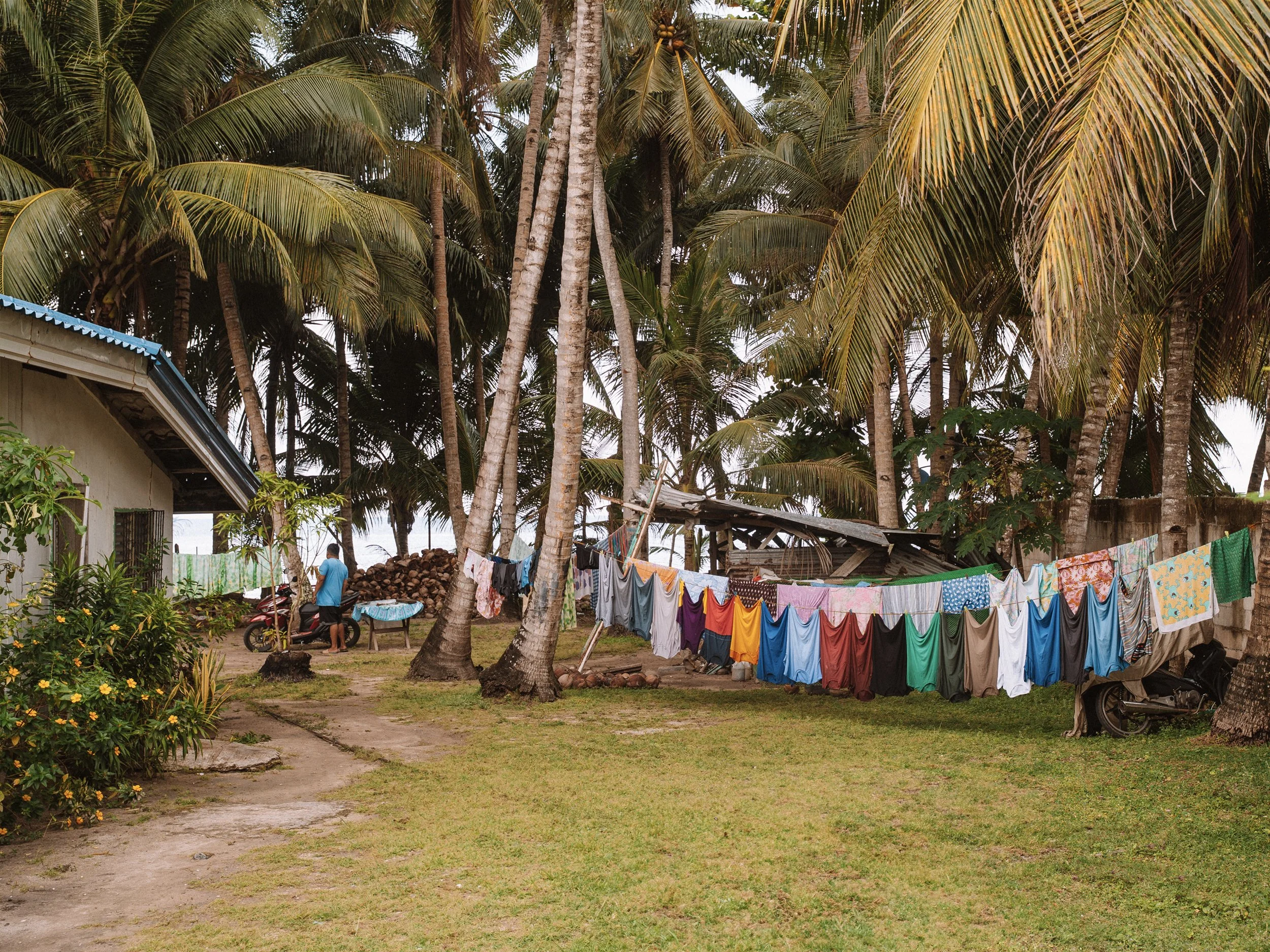
Photo Credit: Pauline Morrissey
Written by Pauline Morrissey, this unpublished essay from her Homecoming book project reflects on a four-month return to the Philippines in 2025. Through memory, place and family life, it explores what Filipino homes reveal about belonging, community and how people shape the meaning of home.
Houses in the Philippines, particularly in lower-middle-class neighbourhoods, are a reflection of resilience and resourcefulness. They’re built not all at once but over time, piece by piece, as families grow and fortunes shift. My late Lola and Lolo (grandma and grandpa), Rosita and Pedro, raised multiple generations in one of these homes in Silang, Cavite, a province about an hour and a half’s drive south of Manila – the place I was raised until I was seven.
Unlike the uniformity of Australian suburbia, my adopted landscape, where houses are neatly plotted, fenced and built, Filipino homes are a patchwork of materials and colours, constantly evolving. Hollow concrete blocks form the foundation, with their exteriors left raw or painted in soft pastel hues – muted yellows, sky blues, mint greens – colours softened by the tropical sun. Corrugated metal roofs, patched and repatched, rattle with every passing rain while mismatched curtains flutter in the breeze. Doors rarely stay shut and tsinelas (slippers) pile up outside – a telltale sign that guests are always welcome.
Inside, life unfolds in shared spaces. Families gather in the sala (living room), where children sprawl on cool tiled floors watching television and unexpected guests are ushered in for merienda (afternoon snacks). Plastic-covered sofas stick to the backs of sweaty legs while humming electric fans provide relief from the heat. Bedrooms are tightly packed, sometimes with bunk beds or thin mattresses unrolled onto the floor at night. Bathrooms, often tiled in bright blues or greens, are simple yet familiar – a large drum of water and a plastic tabo (dipper) replacing modern showers, a ritual passed down without question.
Multiple generations live together under the same roof – long before “multi-generational living” became a buzzword. The house is never empty, never quiet. Lola and Lolo, titos and titas (uncles and aunties), cousins and even the occasional family friend needing a place to stay for a while all share the same space. In the Philippines, “relative” is a loose term – everyone is family, whether by blood, marriage or sheer proximity. Older males are called “Kuya” (big brother) and older females “Ate” (big sister), related or not.
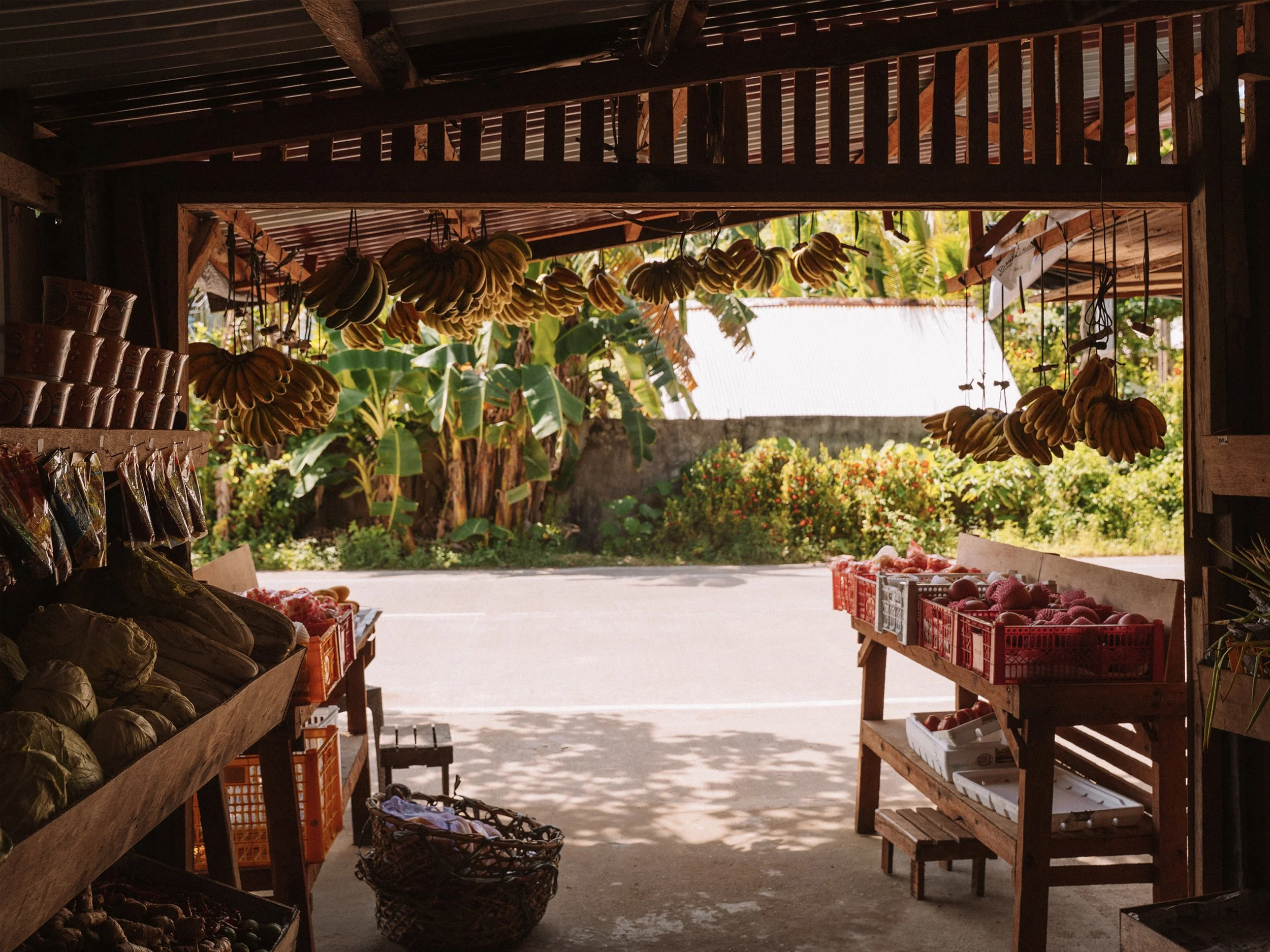
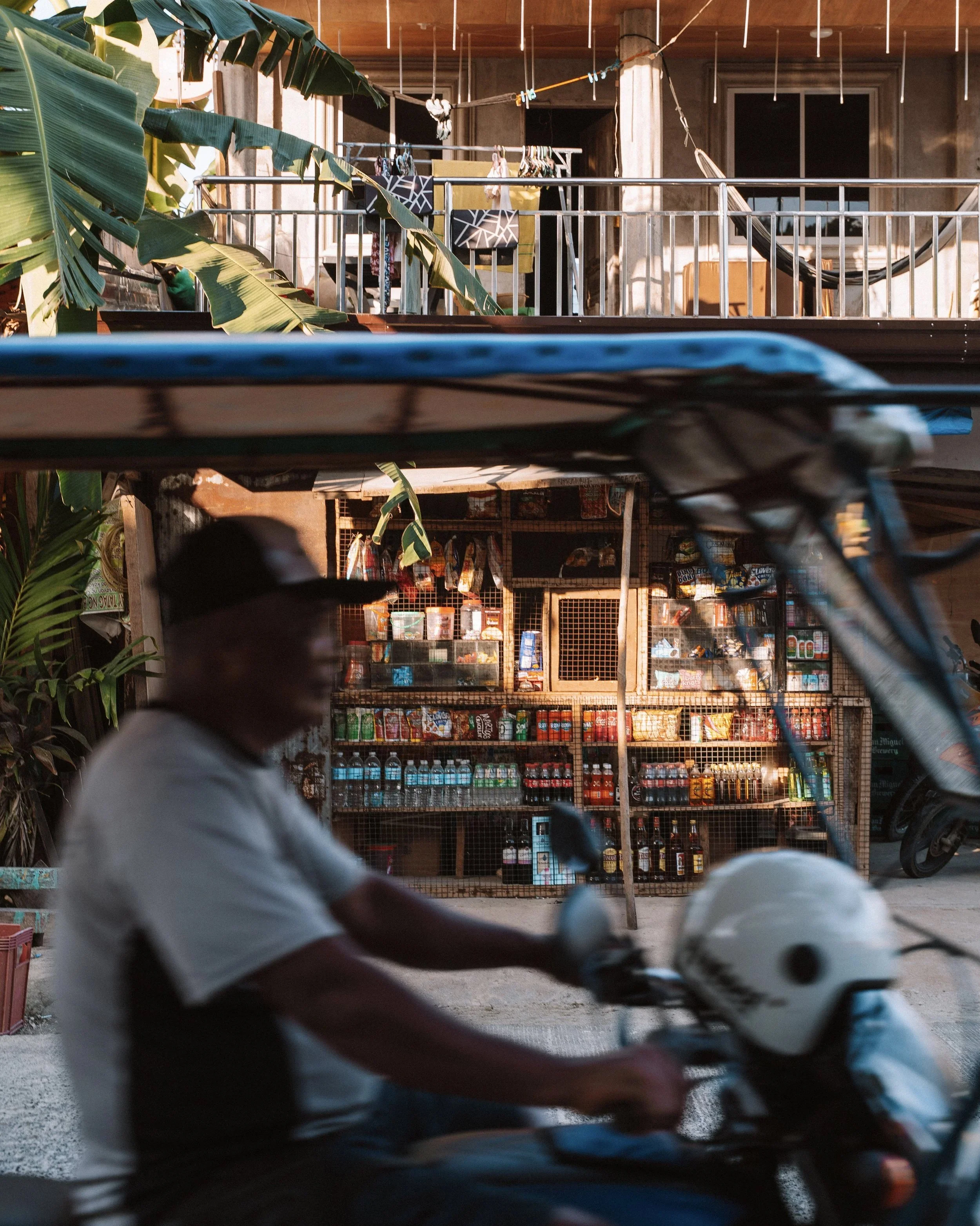
Beyond these walls, Filipino life spills into the streets. It happens in sari-sari stores, the small corner shops where neighbours gather not just to buy a sachet of shampoo or a single egg but to catch up, chismis (gossip) or ask about a cousin who just left for work in Dubai. It happens in carinderias, the roadside eateries where plastic tables are pulled together for whoever happens to stop by. And it happens during a downpour of rain, where children don’t run for shelter but race outside, laughing as their bare feet splash through puddles.
Home and community also come alive during celebrations – whether for a birthday or to welcome back a relative who has been working overseas for years. The entire neighbourhood seems to show up, tables overflowing with pancit (noodle dish symbolising ‘long life’) and crispy golden lumpia (spring rolls). But the true centrepiece is always the karaoke machine, its microphone passed around like a rite of passage. Filipinos don’t just love karaoke, they claim it as their birthright. Endless songs are sung, bold and off-key, late into the night.
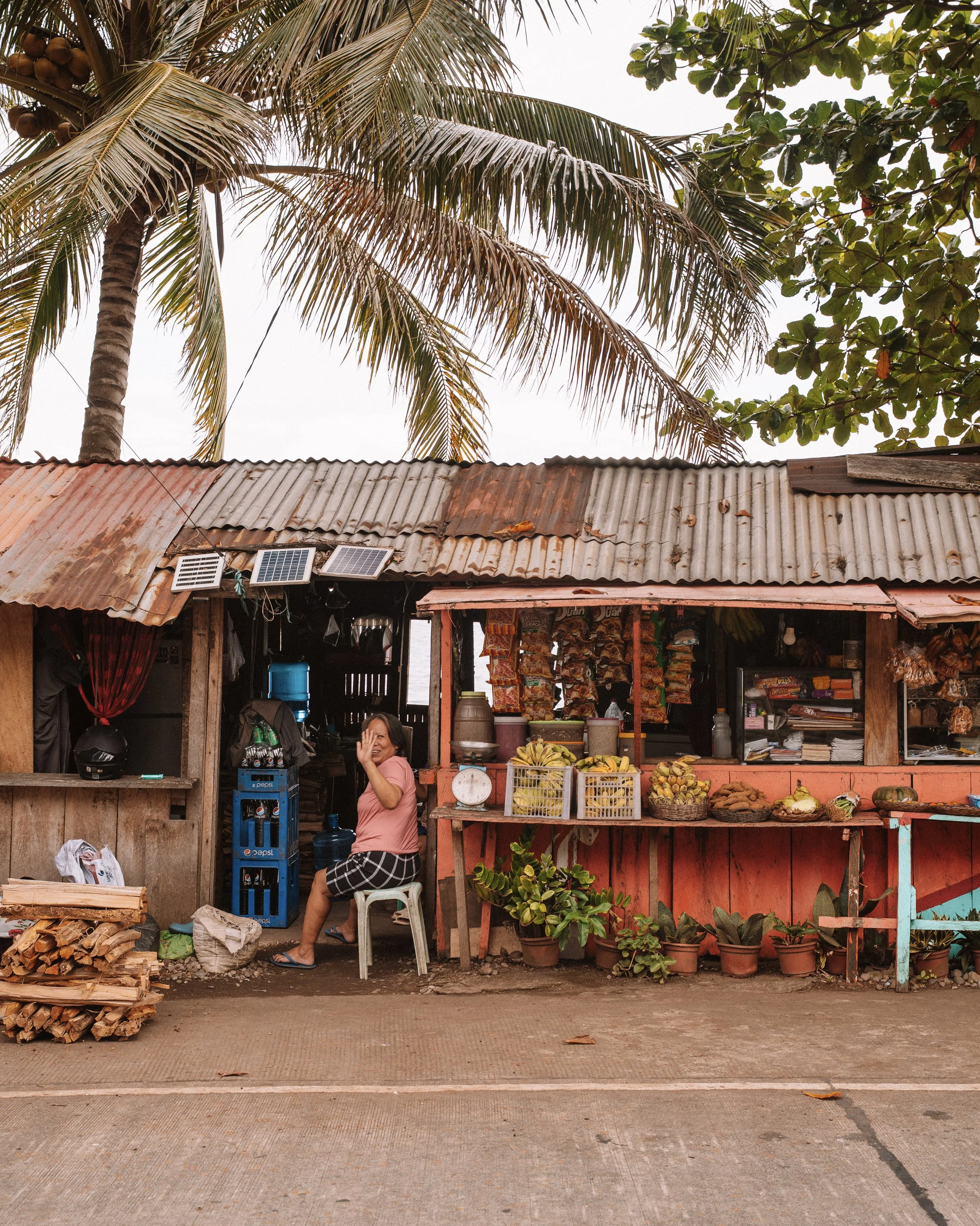
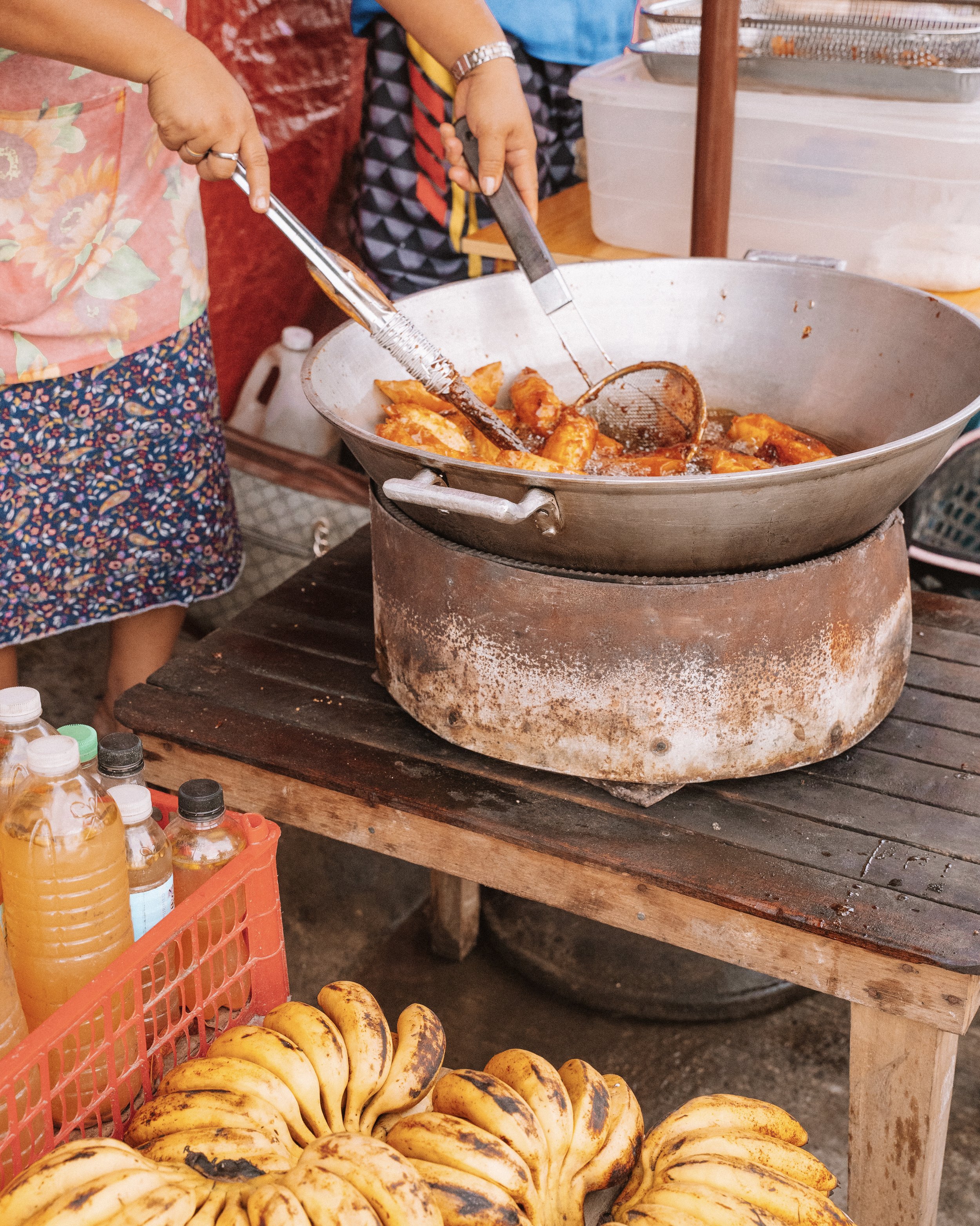
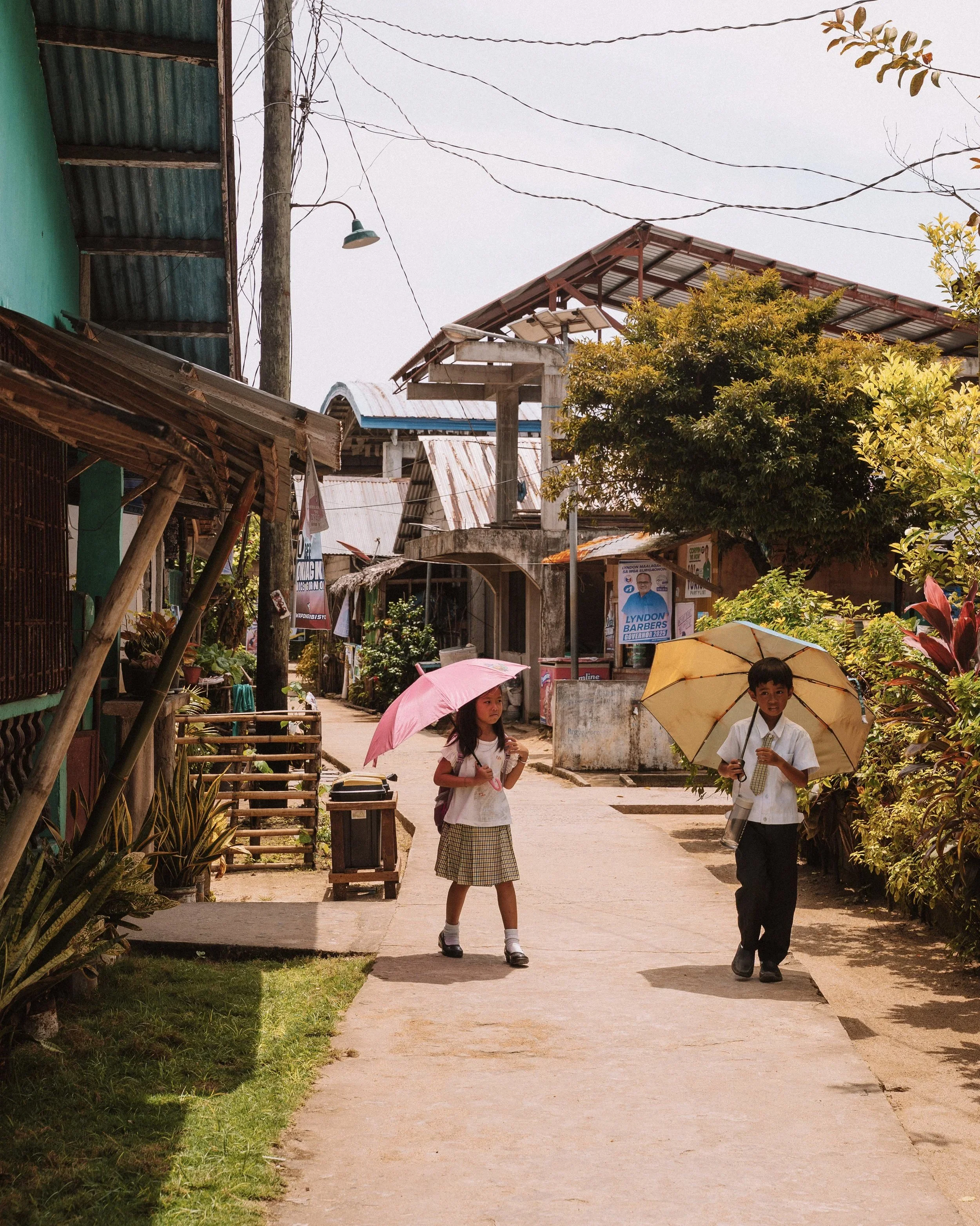
I had forgotten the intimacy of it all. Years in Australia had conditioned me to quiet streets, polite nods and carefully drawn property lines. But in the Philippines, silence is a stranger. The streets hum with the sounds of life – the struggling engines of tricycles weaving through uneven roads, the chorus of roosters calling out at dawn, the sharp ‘plonk’ of ripe mangoes falling onto tin roofs and the early morning cry of taho vendors, balancing tin canisters as they walk from house to house.
Here, wealth is not measured in property portfolios but in who will sit with you in joy and grief. It’s in the way an entire barangay (village) comes together to rebuild a house after a typhoon, in the laughter shared over cheap bottles of Red Horse beer and in the way no one ever eats alone. It’s in the jeepney packed full of family members making the long trip to Manila Airport to welcome their OFW (Overseas Filipino Worker) relative home.
There’s a Filipino phrase often said among friends: “Walang iwanan” – no one gets left behind. It’s an unspoken bond that holds families, neighbourhoods and entire communities together. And perhaps that’s what home truly is – not just the four walls that shelter you but the people who refuse to let you stand alone.