Belonging Without Permission
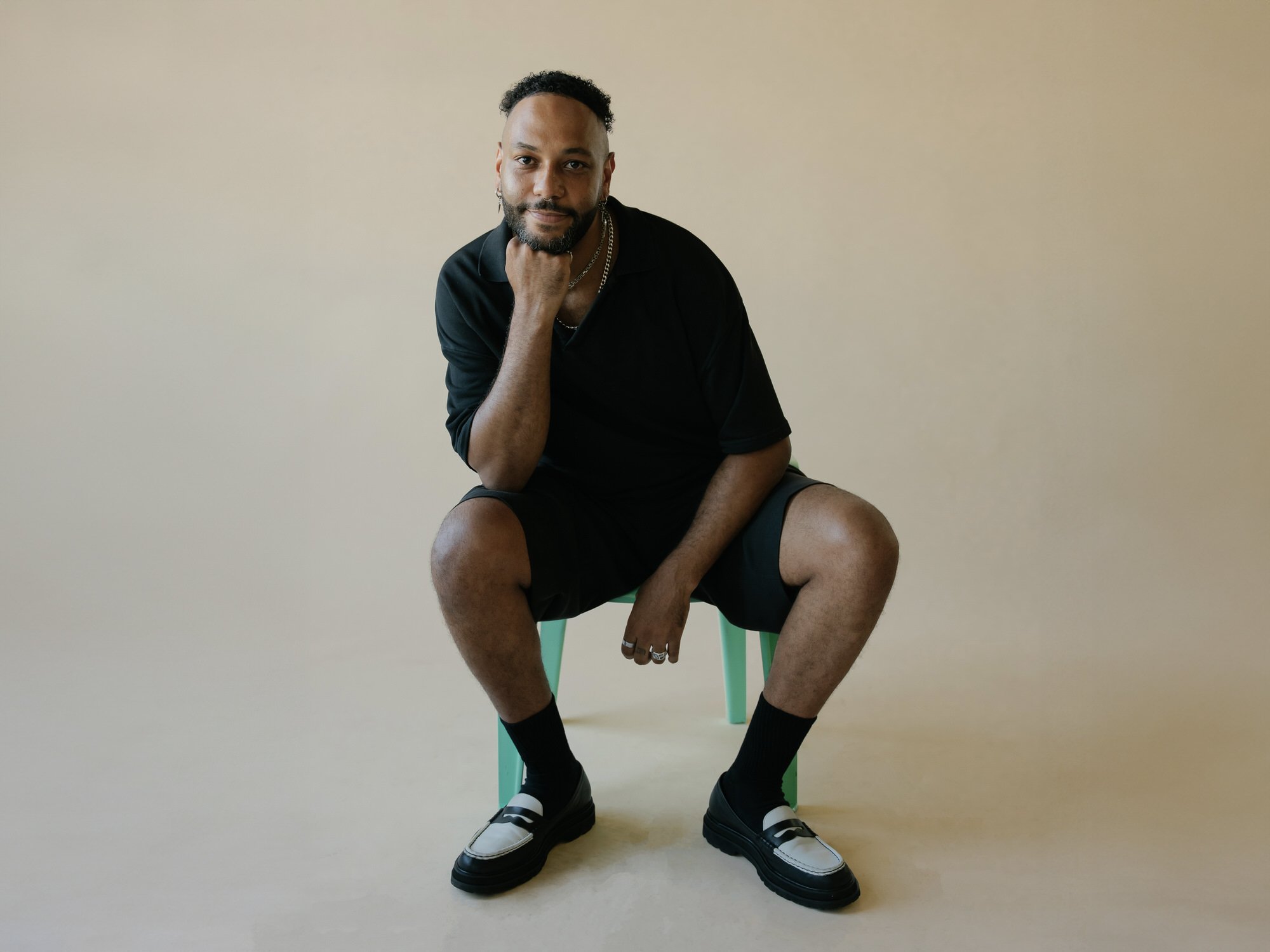
Photo Credit: Bella Loke
What happens when identity refuses to fit neat categories? In this essay, Sebastian Pasinetti explores belonging as something assembled rather than inherited, shaped by food, family and migration – and how letting go of performance opens space for more honest forms of community.
I learned early that belonging is often conditional. The first place I felt that clearly was in a high school cooking class.
Not because I felt welcomed, I didn’t, but because I felt useful.
I went to a mostly all-white school with an Italian surname, visibly Black skin and an Australian accent. That combination taught me early how to anticipate questions before they were asked. Where are you from? No, where are you actually from? My mum is Italian. She’s white. Sometimes I offered the explanation before anyone asked, just to get it out of the way.
Cooking was the one place I didn’t have to justify myself.
While most students followed recipes closely, I looked at a few ingredients and built dishes that resembled Italian cuisine instinctively. The knowledge I carried, inherited from my mother, sharpened through observation and repetition, became a kind of shield. My hands moved faster than the room’s assumptions. My imagination did the talking for me. My ability to riff back and forth with my teacher gave me visibility.
In those moments, I wasn’t something to be decoded. I was someone who knew what they were doing.
That uncertainty about belonging didn’t just exist at school. It lived at home too.
I didn’t grow up with a connection to my Blackness. My father was absent and my understanding of culture, tradition and lineage came almost entirely through my Italian mother. Food was how she showed care. How she told stories. How she anchored us. Italian culture became the language I spoke fluently, not because I rejected my Blackness, but because it was the only lineage I had access to. It was tangible. It was taught. It was reinforced.
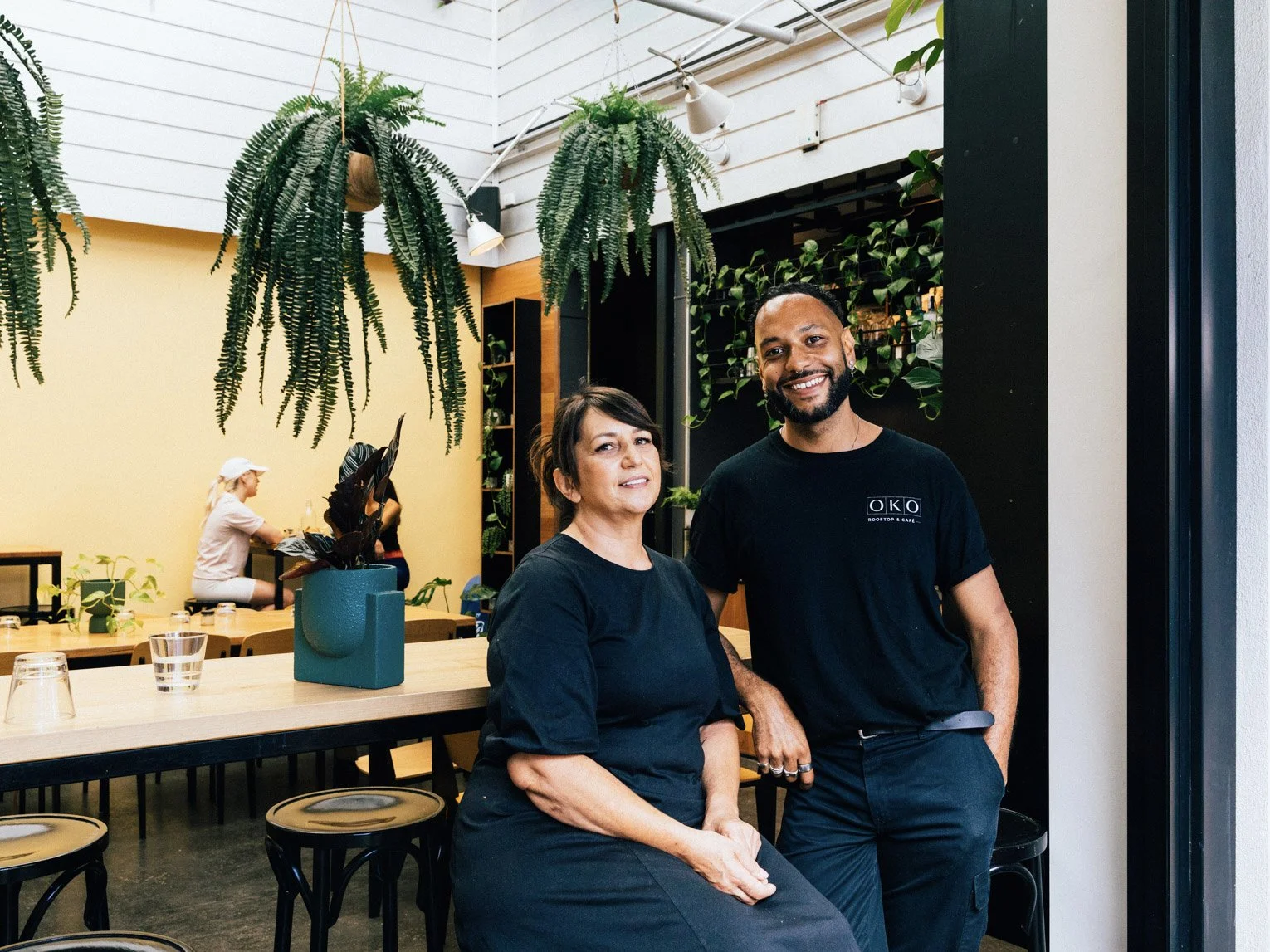
Sebastian and his mother Luciana at their former cafe, Oko Rooftop and Cafe.
Being visibly Black with an Italian surname meant I was often read as a contradiction. Too Black for one narrative, not Black enough for another. Even within my own identity, belonging felt provisional, something I had to assemble rather than inherit.
As a teenager, I worked in an Italian restaurant nearly full-time, from fifteen to nineteen. It was a formative period: long hours, real responsibility and an early education in how culture is policed.
“You don’t look Italian.”
“That’s so unusual.”
“Where are you actually from?”
“The colour of your skin isn’t what Italian people normally look like.”
Sometimes it came from customers, sometimes from colleagues, sometimes from owners. Often framed as curiosity, occasionally as humour, rarely as overt hostility – but always carrying the same implication: that my confidence in my Italianness was misplaced. That my belonging was borrowed, not inherited.
What unsettled me most wasn’t the comments themselves, but how familiar they felt. I learned to make myself legible. I edited myself depending on the room. The older I got, the less I enquired about my Blackness. I softened edges, translated references and adjusted my entry. I performed versions of myself that felt easier for others to place.
Then came being gay and whatever fragile balance I’d struck collapsed.
“Black and gay?” people would say. “Damn, that’s rough.”
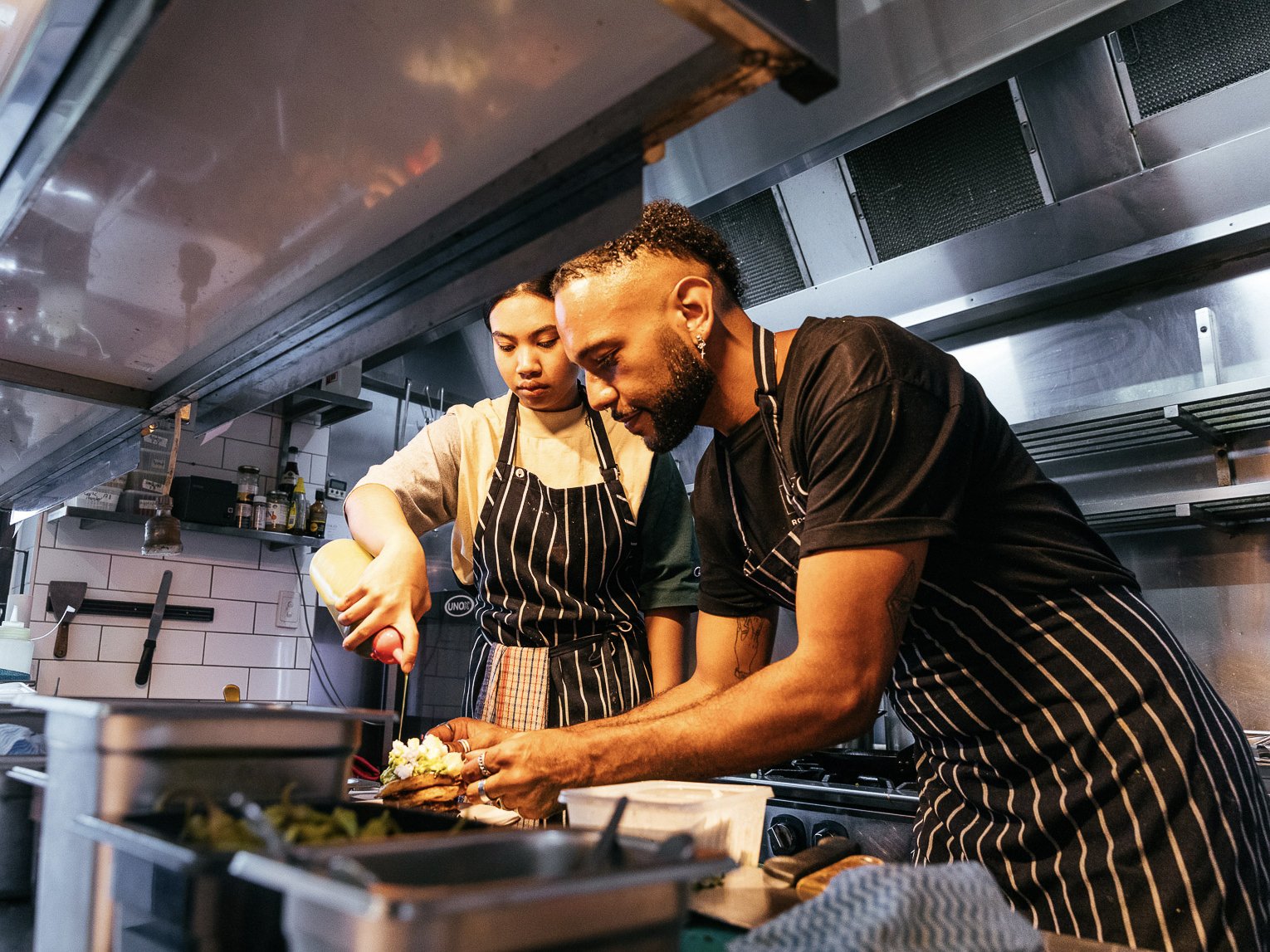
For Sebastian, belonging wasn’t assumed – it had to be earned, explained and constantly negotiated.
Belonging, for a long time, felt like something that had to be earned through excellence, restraint or explanation. That began to change when I moved back to London.
I was born there, but returning as an adult offered something different – not salvation, but contrast. Diversity existed not as branding or aspiration, but as lived reality. People carried multiple intersections without announcing them. No one led with their difference. No one required permission to take up space.
It was there I realised how much energy I had spent curating my entrance into rooms back in Australia. Measuring tone. Anticipating discomfort. Preparing translations. In London, I stopped editing. I entered rooms as myself, regardless of the cohort. Not defiantly. Not loudly. Simply without apology.
It wasn’t that I suddenly belonged everywhere. It was that I stopped waiting to be told I did.
Returning to Australia, that shift stayed with me. It changed how I write, how I cook, how I work, how I build community. I became less invested in being understood by everyone and more committed to being recognisable to the right people, the ones who don’t require footnotes.
Over time, I’ve learned that searching for belonging in spaces never designed for introspection will almost always lead to disappointment. Not because we’re doing something wrong, but because those spaces were never built to hold complexity, contradiction or reflection. We’re often taught to push harder for inclusion; to wait our turn, earn our seat, prove our worth.
But sometimes there is no seat at the table, not because we failed to qualify, but because we were never meant to sit there in the first place. The community we’re looking for exists elsewhere – and it rarely looks like permission.
Belonging, I’ve come to understand, isn’t something granted by institutions, industries, audiences, family or friends. It’s something you claim, often long before you’re welcomed. It forms when you stop performing, stop shrinking, stop masking and allow yourself to take up space as you are. The paradox is this: the moment you stop contorting yourself to fit is often the moment the right community finds you. The people who hold you without conditions. The spaces that recognise you without explanation.
Belonging, it turns out, was never something I needed permission for. It was something I had to claim – quietly, proudly and on my own terms.