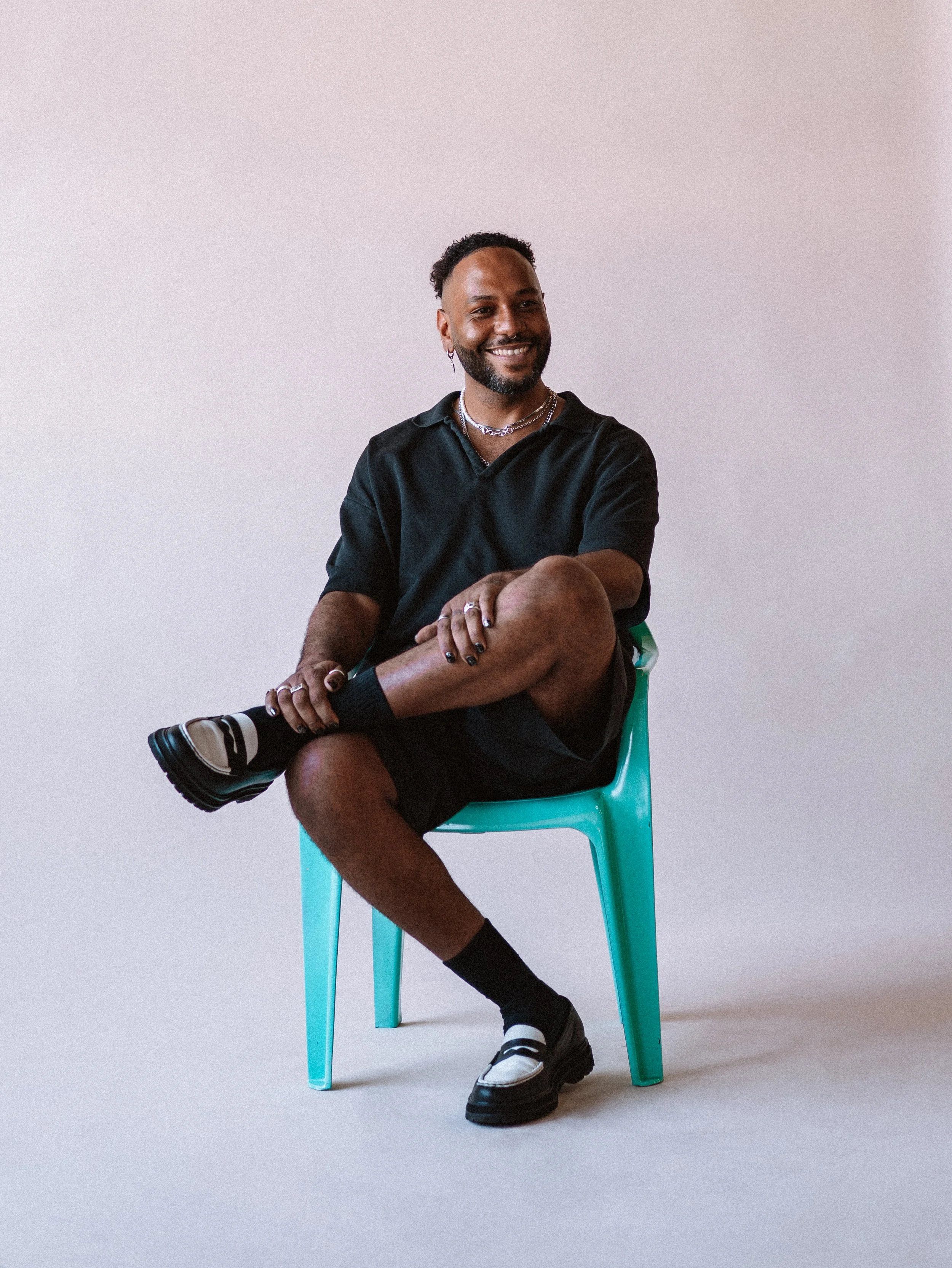
Culture As Something You Carry, Not Perform
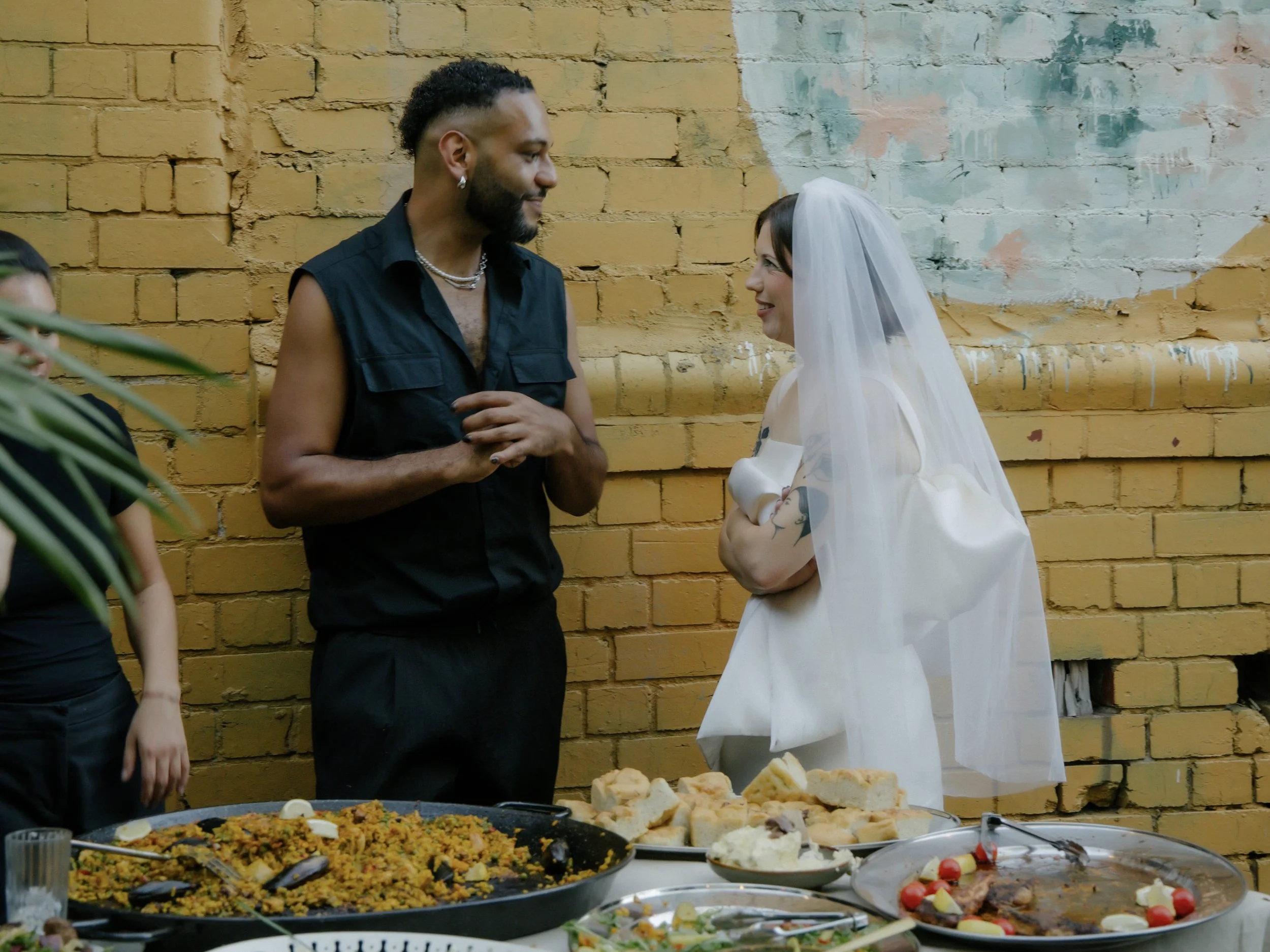
For Sebastian, culture arrived through moments of recognition
Sebastian Pasinetti once believed culture was something to perform in order to be seen. In this personal essay, he reflects on the moments when that belief cracked open – revealing how culture can fade when we’re forced to shapeshift, and how it lives instead in what refuses to be neatly defined.
For the longest time, I didn’t even know what culture meant. Not in any meaningful way, at least.
What I did know was how to shapeshift.
I learned how to adjust my voice: how high it went, how animated it sounded, when it needed to soften or flatten. I learned how to dress for the room, how to react in real time, and how to make myself easier to read. None of it was conscious at first. It was instinctive. A response to authority. To difference. To being visibly not quite right in spaces that prized sameness.
I didn’t call this culture. I called it survival. And I understood it as a performance.
Growing up in so-called Australia, my access to culture was narrow. The culture I was surrounded by often presented itself as neutral, unmarked, unspoken, unquestioned, and if I’m being honest, unmemorable. But neutrality, I later learned, is usually just dominance without a name. When you’re raised inside that, culture becomes something you notice only when it belongs to, or is performed by someone else.
I saw culture at the dinner table with my Italian family: loud, tactile, imperfect, full of contradictions. I saw it while drinking, too. This country absolutely has a drinking culture, even if it rarely names it as such. And I saw culture most clearly through food the more I travelled, how people gathered, fed one another, created, argued, lingered.
But I didn’t see a version of culture that held all of me.
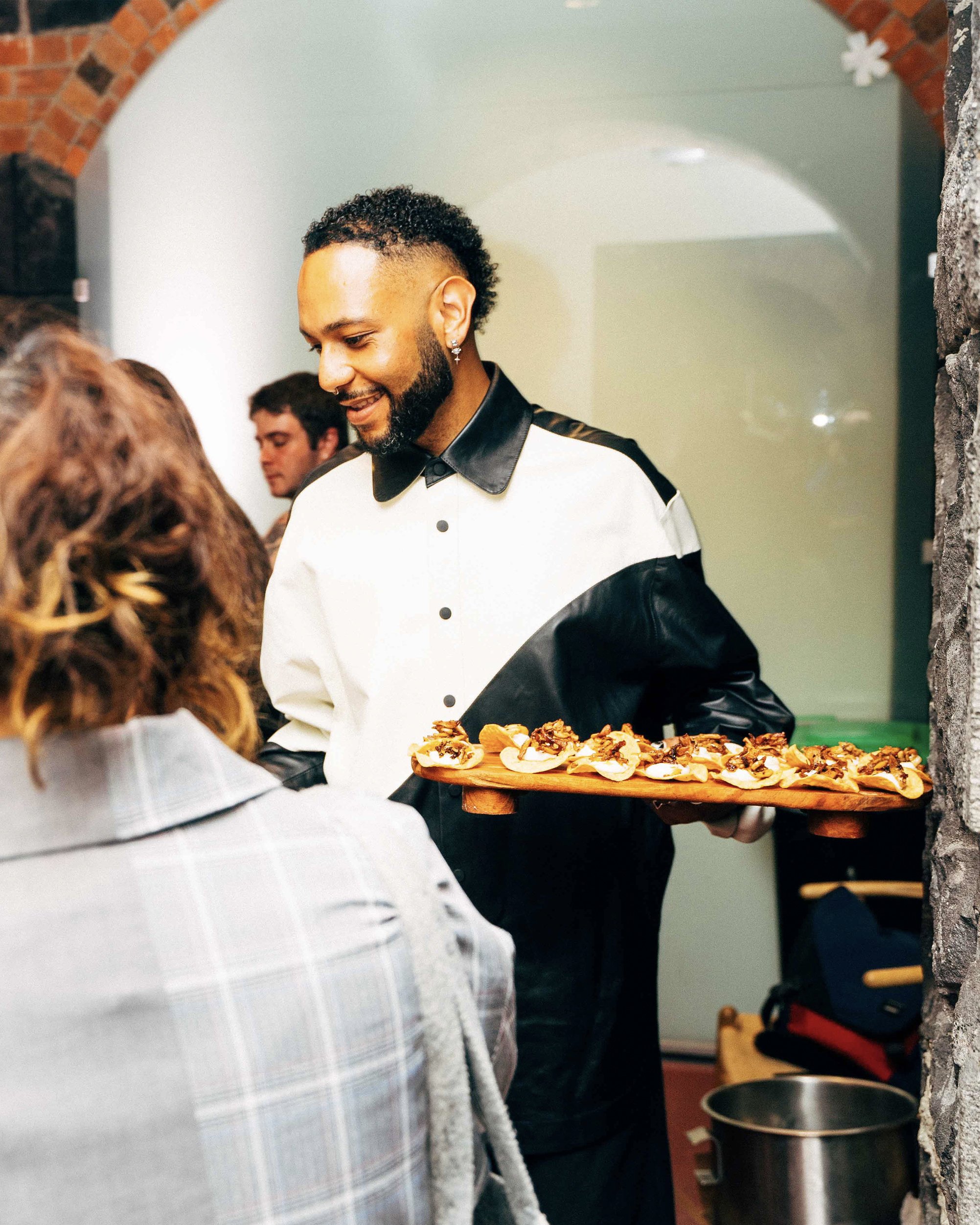
The quiet work of reading a room before entering it.
Another moment came quietly, on a couch, when my partner at the time put on my episode of RuPaul’s Drag Race. I remember sitting there in complete awe. Not because I wanted to be on that stage, but because I had never seen self-expression treated with such seriousness and such play at the same time.
What struck me wasn’t the performance, it was the permission. The excess. The refusal to be palatable. Watching it felt like witnessing a cultural language I’d never been taught, but somehow recognised in my body. It wasn’t about spectacle. It was about people assembling themselves out loud, without apology.
Around that same time, the world slowed down amidst COVID and then ruptured.
During the Black Lives Matter movement in 2020, I experienced something I hadn’t before: recognition. No explanation. No performance. Recognition. I saw the world see me, and I saw the people around me witnessing it too. The shift wasn’t just political. It was personal. I began to understand myself more clearly, not in isolation, but as part of a collective reckoning and cultural moment.
Together, those experiences helped me understand culture on my own terms. One arrived through joy, imagination, and chosen community. The other through grief, outrage, and historical truth. Neither offered a definition. Both offered belonging.
Still, that clarity didn’t arrive without cost.
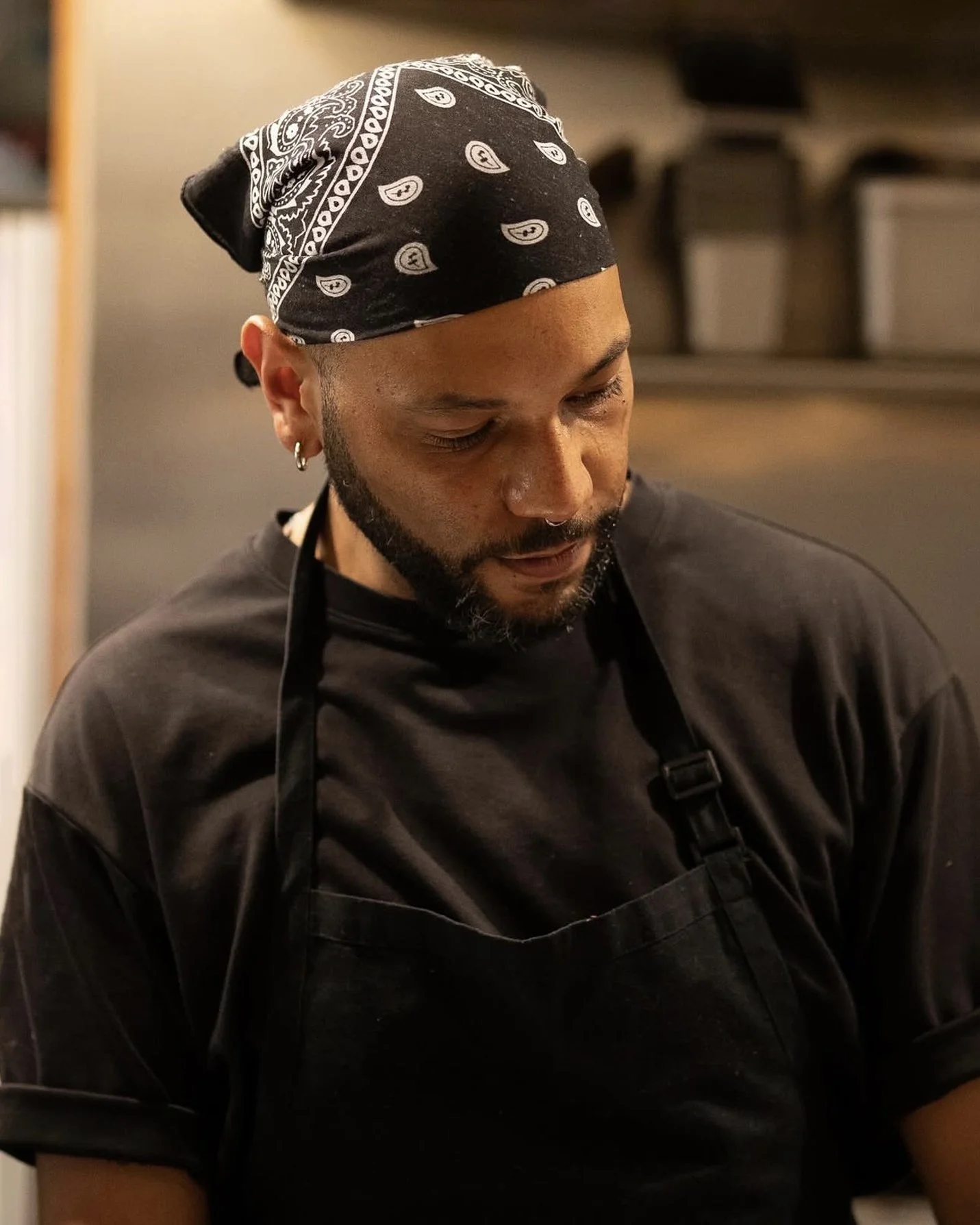
Sebastian has learned, over time, to take up space.
As a queer person of colour working across creative spaces, I’ve learned that culture is often welcomed only when it’s legible - when it can be explained, softened, or made palatable for public consumption. There’s an unspoken expectation to translate yourself, to turn lived experience into something digestible, inspiring, or useful.
But what I carry privately doesn’t always survive that process. Some parts of my culture lose their meaning when they’re flattened into representation. Others were never meant to be shared at all. The tension isn’t between hiding and expressing, it’s between holding something with care and being asked to perform it on demand.
Earlier in my life, I tried to outrun that tension.
I ran into binge drinking culture, party drugs, and groups of people who didn’t really see or respect me. I packed my bags at any opportunity. New cities, new rooms, new versions of myself. I mistook movement for meaning. I never realised I was running at the time, but there was always a quiet yearning to feel part of something bigger than myself. I just couldn’t find where that something lived.
And still, if you ask me to define culture simply, I can’t.
I don’t have a neat definition. What I have are moments. Awakenings. Fractures and recognitions that arrived through joy and grief, permission and outrage. I wasn’t raised inside a single cultural story that could hold my intersections. I was raised inside systems. So my understanding of culture came later, and in pieces.
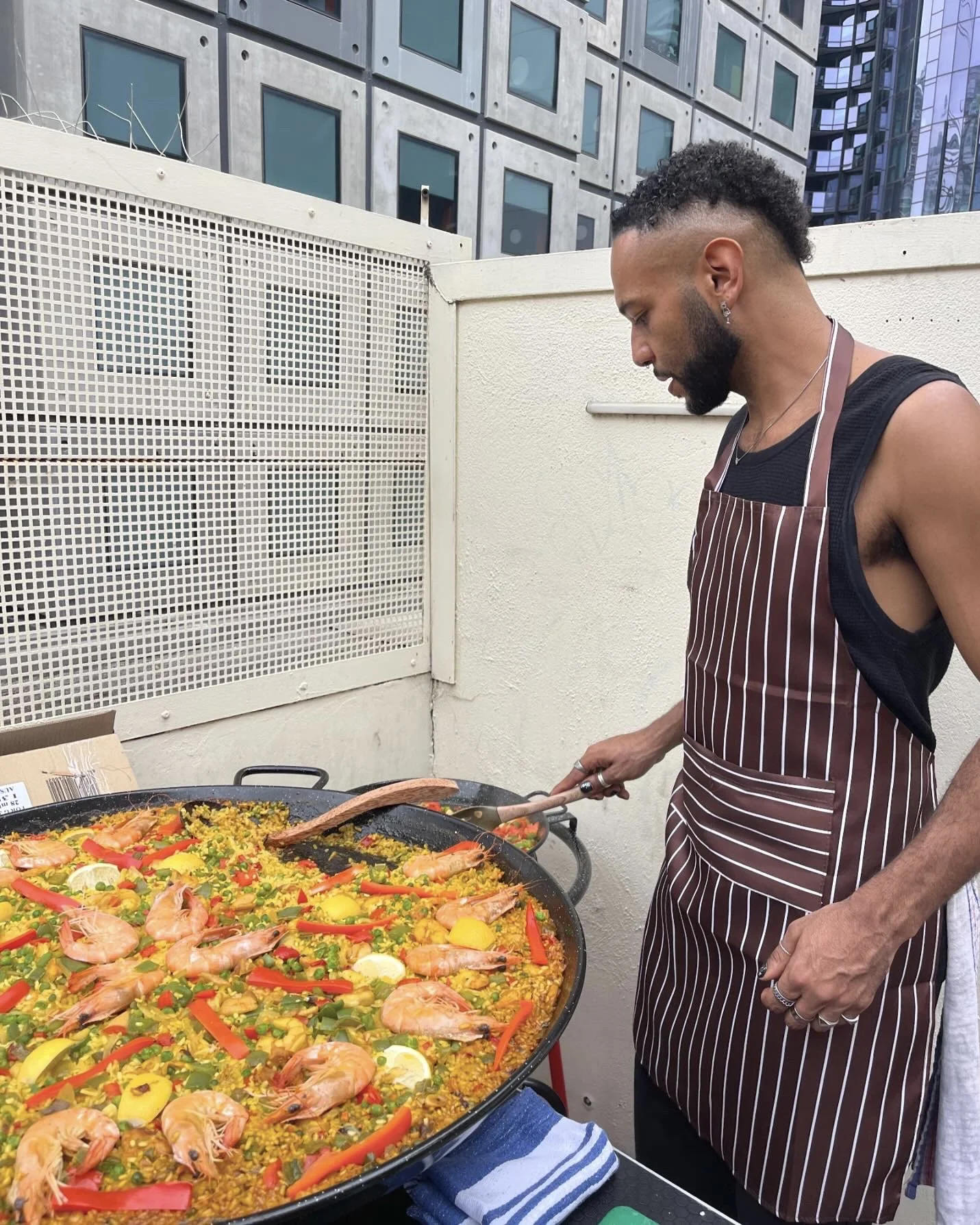
Feeding people without hierarchy sits at the heart of Sebastian’s practice.
Each of those moments became a notch on a belt I carry with me. Watching people assemble themselves out loud without apology. Seeing the world pause long enough to recognise Black life. Learning when to stop shrinking. Learning when to stay. None of them are singular. None of them ask to be performed. Together, they make something more durable.
So I stopped trying to locate a culture I could perform because performance requires a script, and my intersections never allowed for one. What I carry instead is layered.
Culture, for me, lives in how I feed people without hierarchy. In how I read rooms and look after others instinctively. In how I refuse purity, in food, in identity, in politics. In how I remain soft in places that reward hardness. In how I move between worlds without asking to be translated.
These things don’t perform well.
They don’t package neatly.
But they hold.
Culture, I’ve learned, isn’t something I put on. It’s something I carry, built slowly, notch by notch and it moves with me, even when I don’t yet have language for its weight.
And maybe that’s the whole point.