Musings & Merienda: Q&A With Grace Guinto
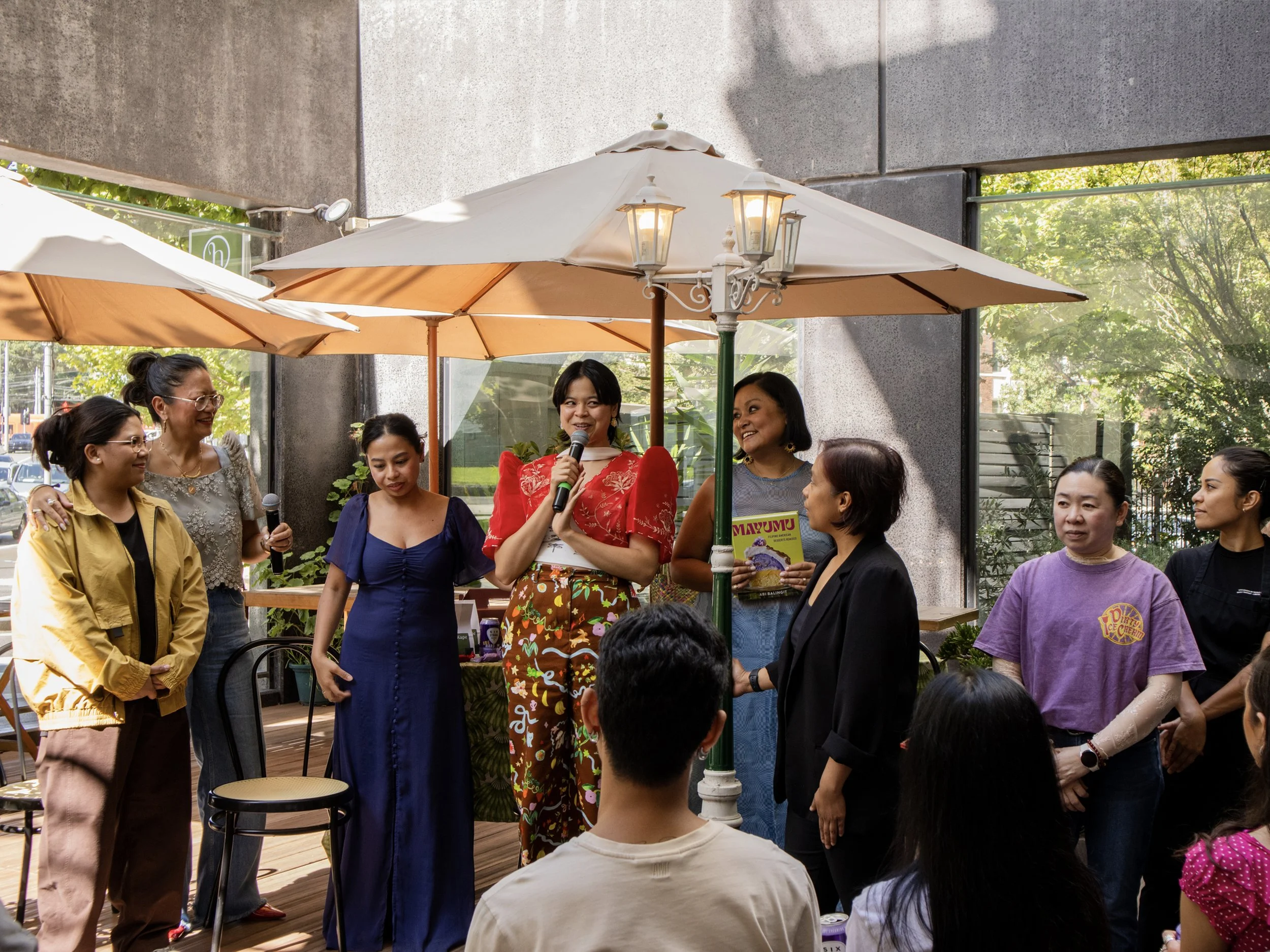
A gathering of Filipina voices, sweets and stories at this year’s Melbourne Food and Wine Festival
Filipino food is having its moment – across Australia and increasingly on the global stage. While there’s excitement in that visibility, there’s also a truth that can’t be ignored: this moment has been a long time coming.
That shift was felt across this year’s Melbourne Food and Wine Festival, where Filipino cuisine was not just present, but rightfully recognised. Bacolod-born chef JP Anglo joined forces with Ross Magnaye and Shane Stafford of SeraiKitchen, bringing a style of cooking grounded in community and celebration. A sky-high feast at Fable saw five Filipino chefs transform street food into something theatrical and bold. Elsewhere, Askal and Lee Ho Fook came together for a Chi-Noy collaboration, exploring the deep ties between Filipino and Chinese cuisines.
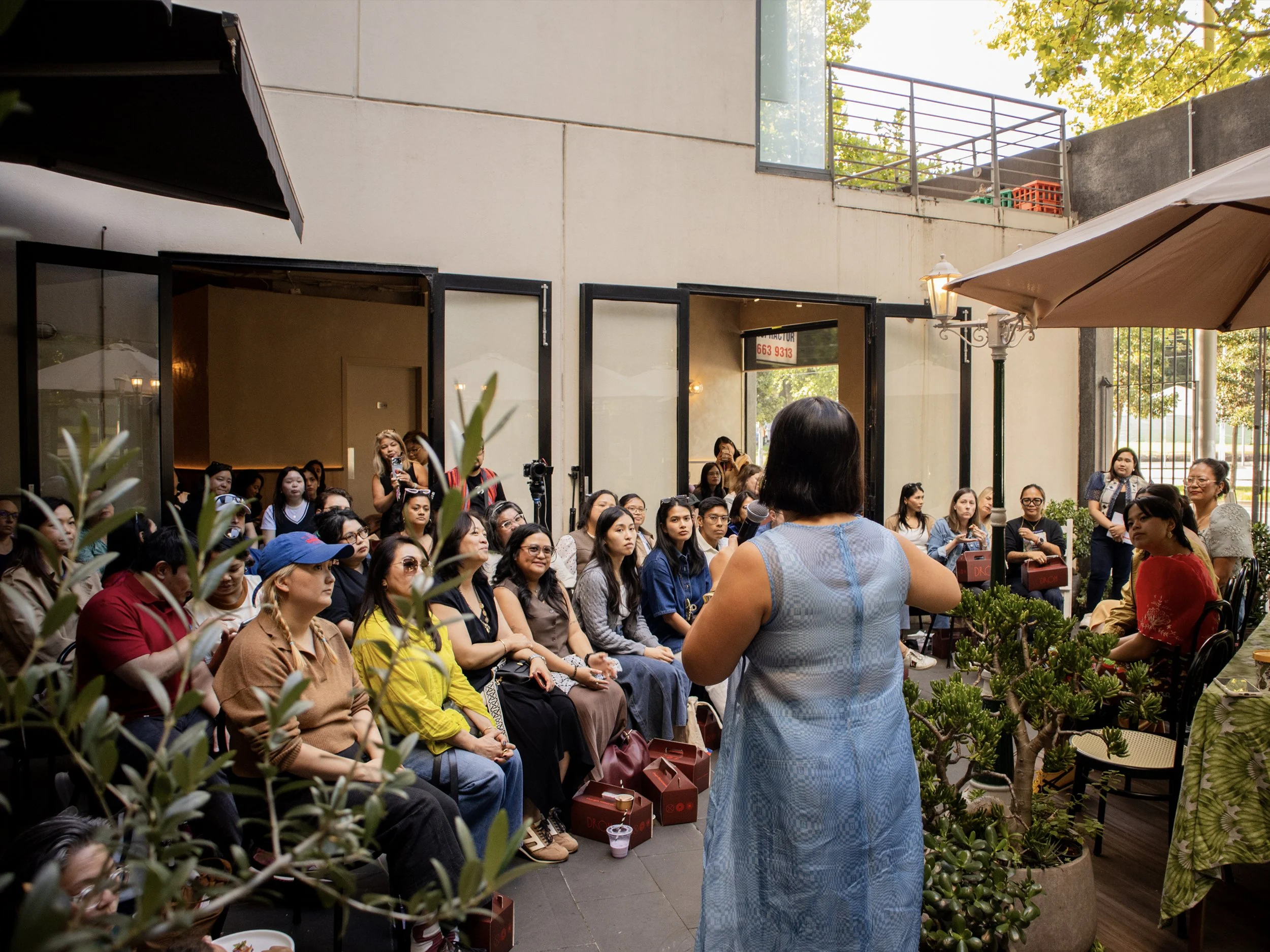
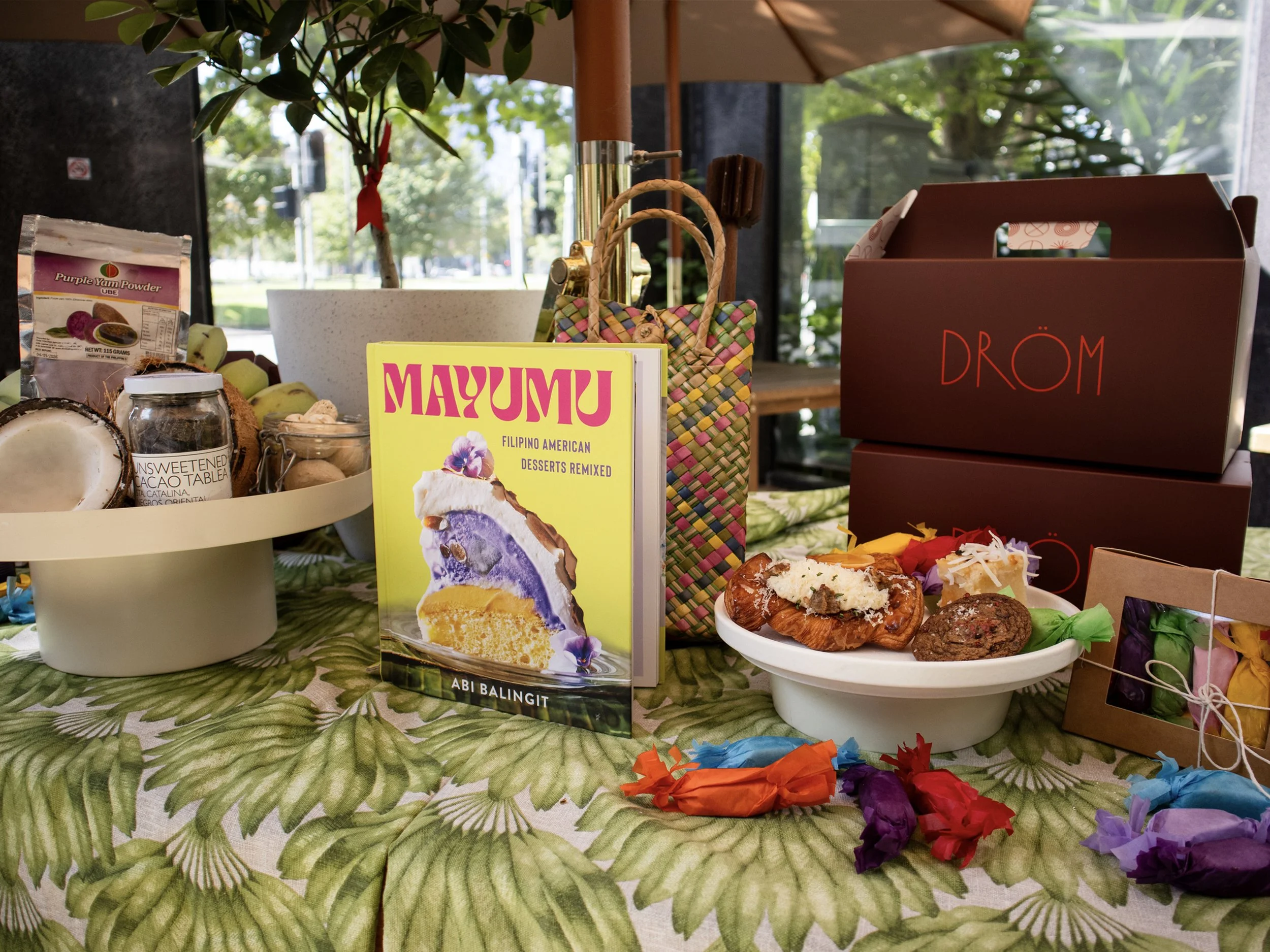
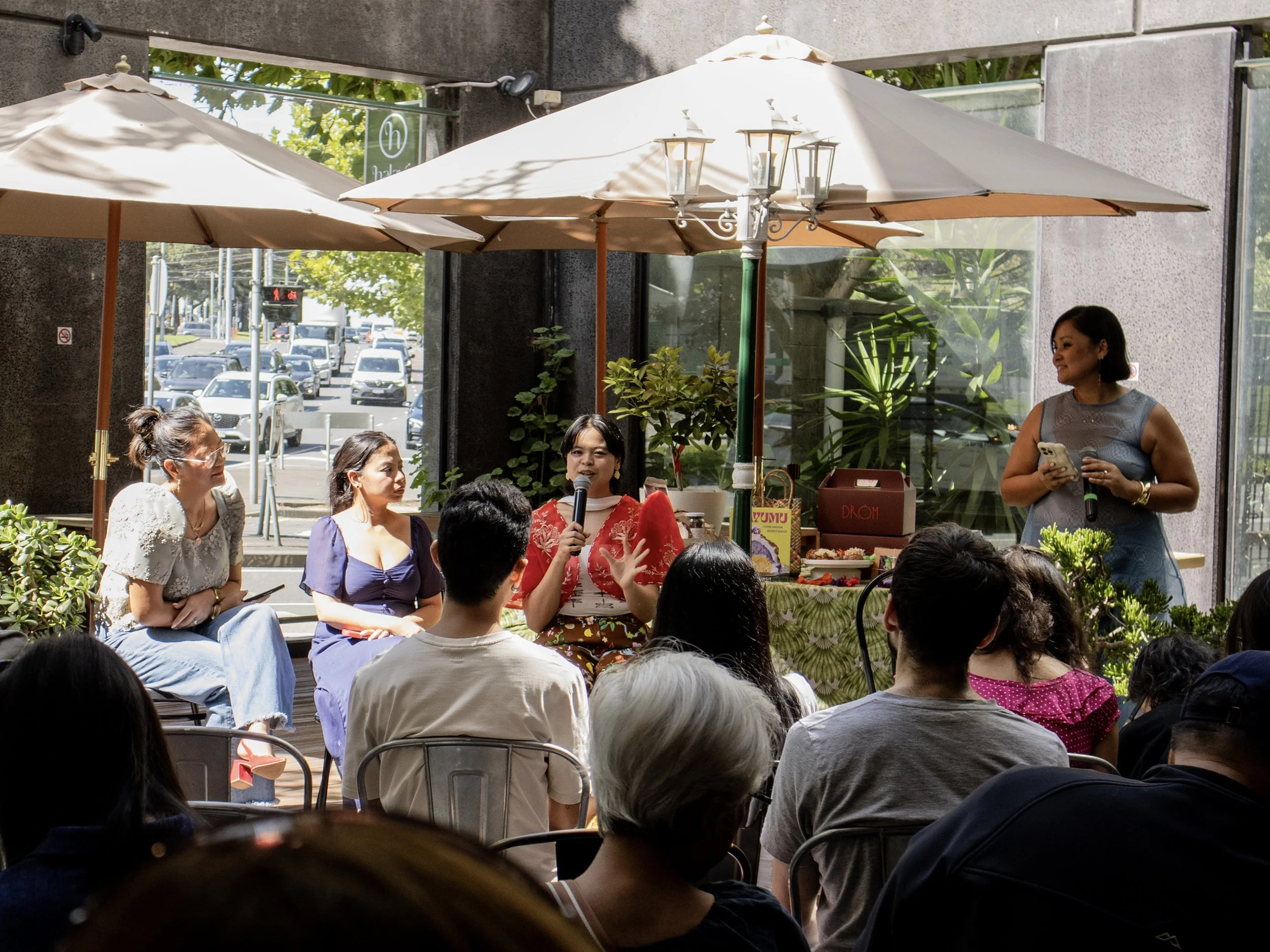
Within that broader momentum, a more intimate gathering unfolded at Musings & Merienda, where sweets became a starting point for something deeper – conversation, reflection and a loud and proud reclaiming of narrative.
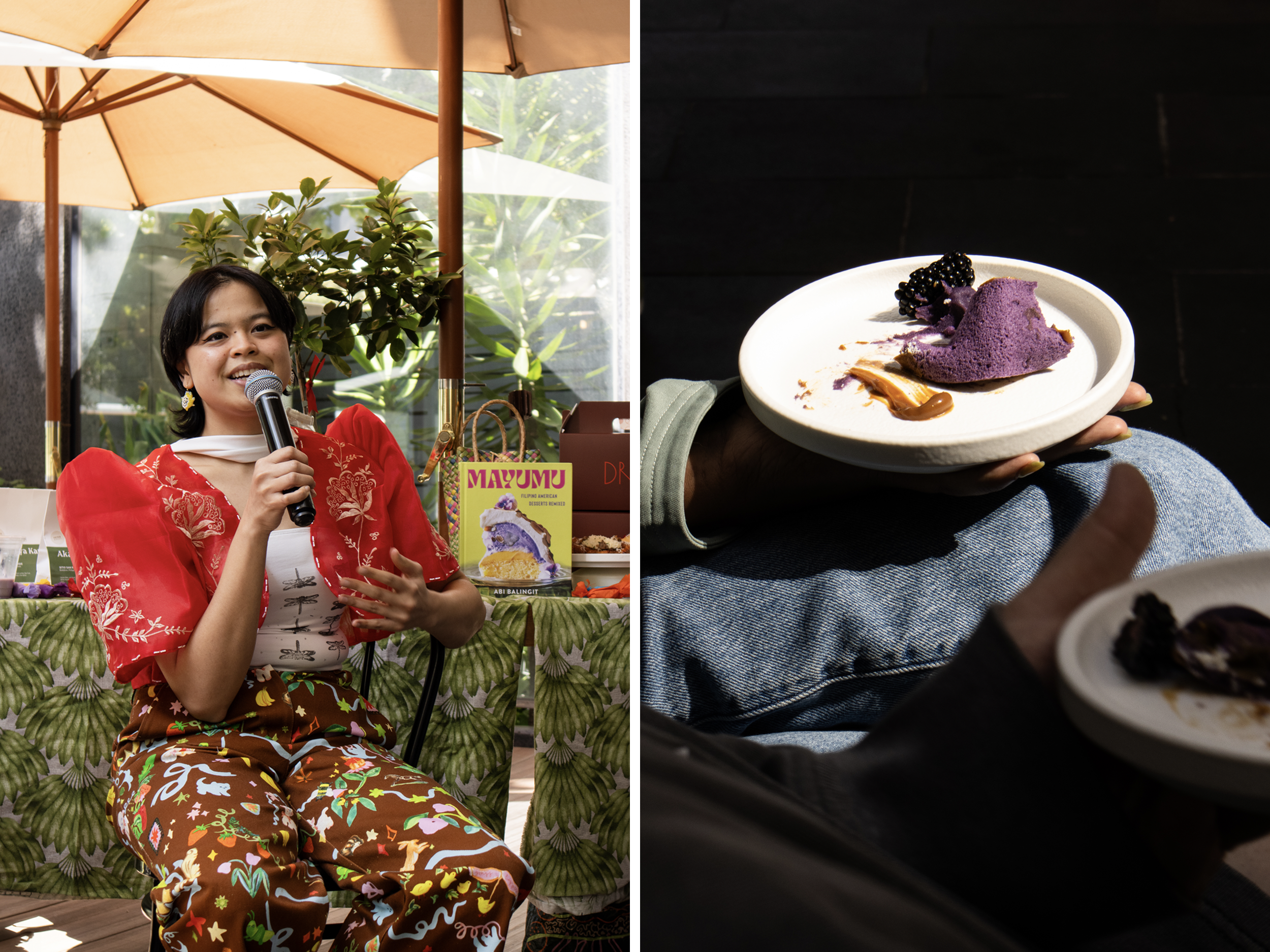
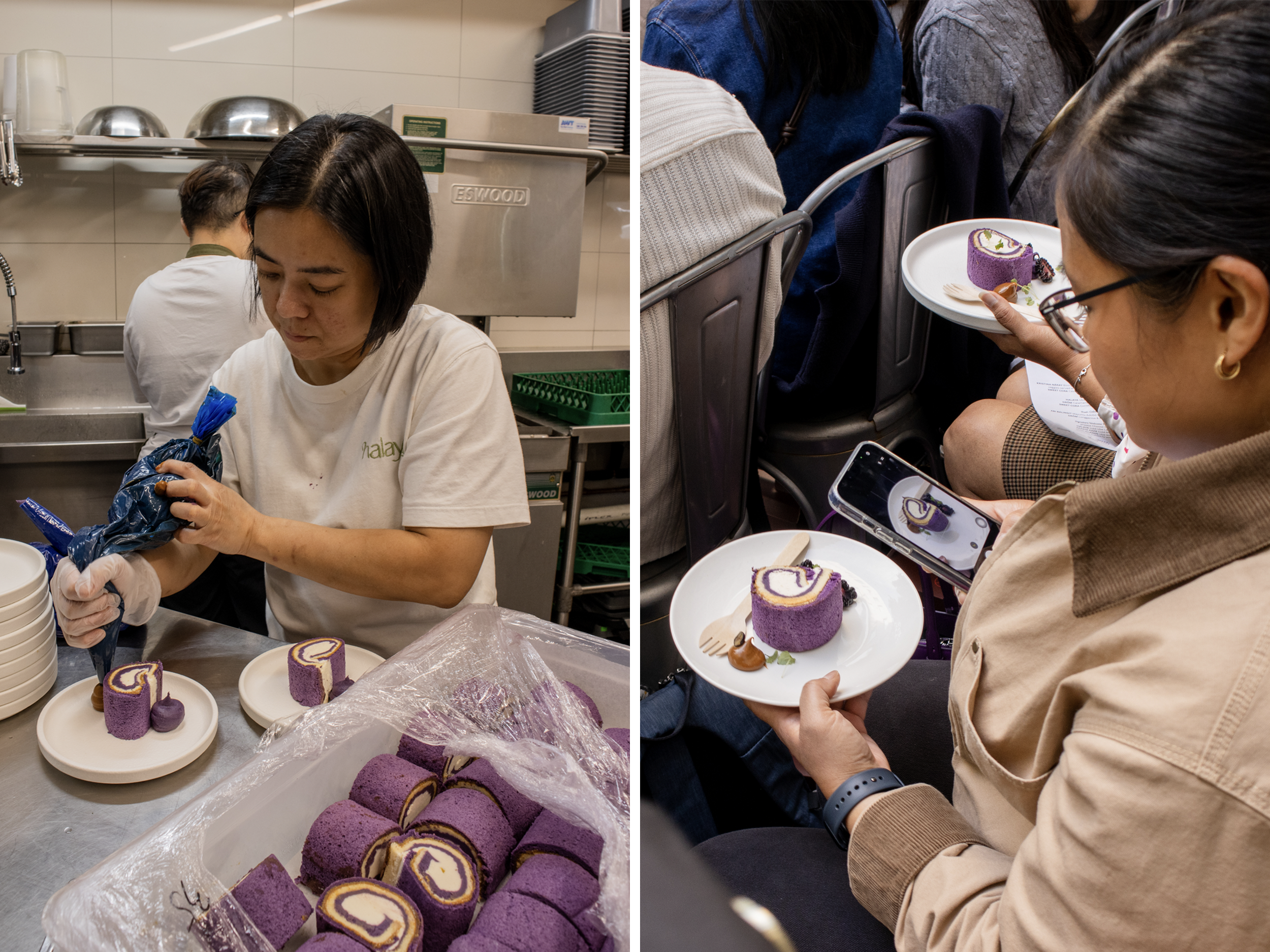
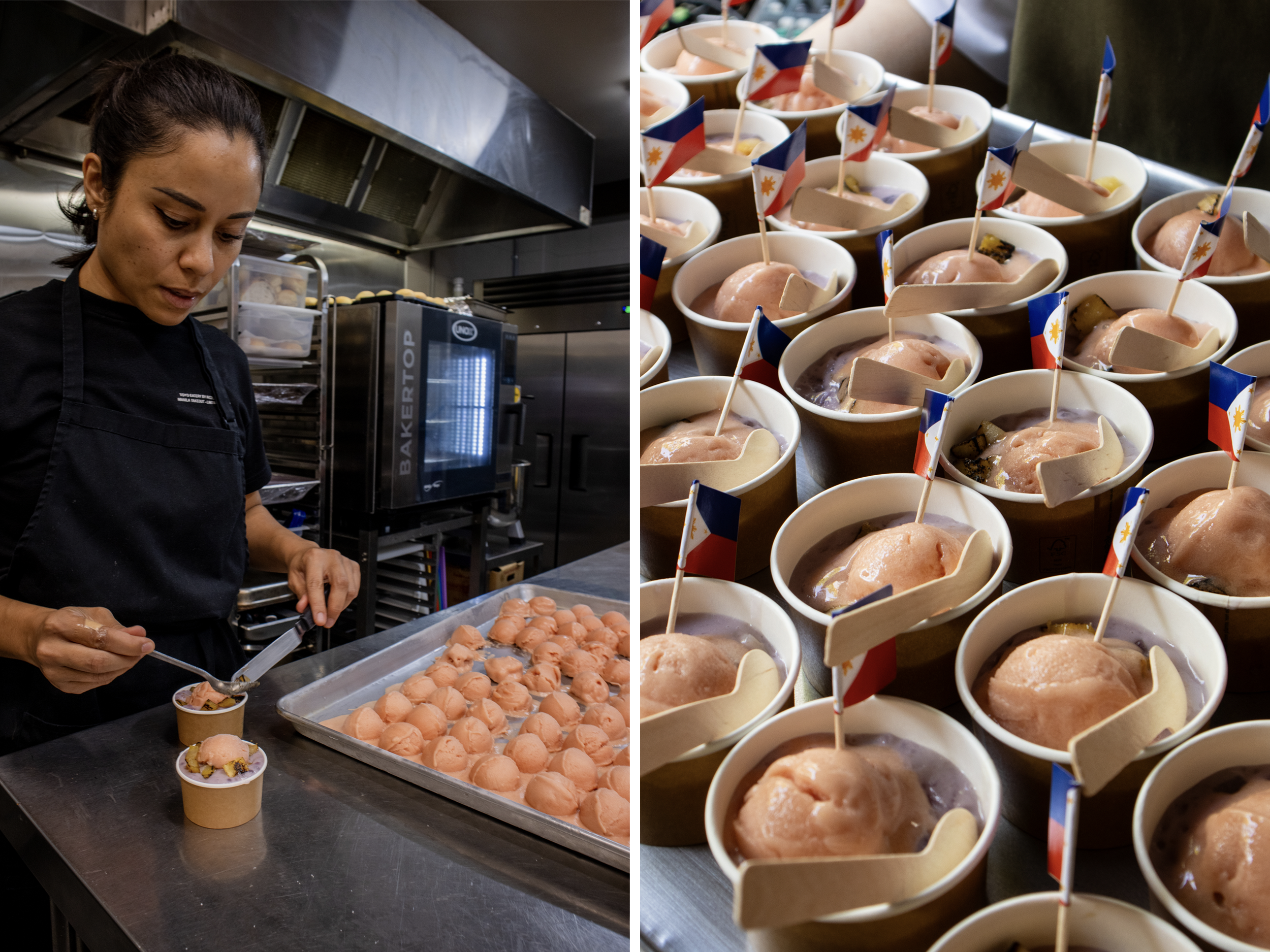
Take ube, for example – an ingredient currently having its own global moment. Splashed across menus, trending across social feeds, pushed into the mainstream by global brands. For many, it’s a discovery. But for Filipinos, ube has never been a trend. It’s a staple – a root crop long cultivated by indigenous Aeta communities in the mountains of Pampanga, Zambales and Bataan, folded into halaya, breads and celebration cakes, tied as much to memory as it is to taste.
That same tension sits beneath so many Filipino desserts. Cassava, coconut, calamansi, banana – ingredients rooted in pre-colonial foodways, later layered with centuries of Spanish and American influence. Foods that have always existed, now reintroduced without always carrying the full weight of where they come from.
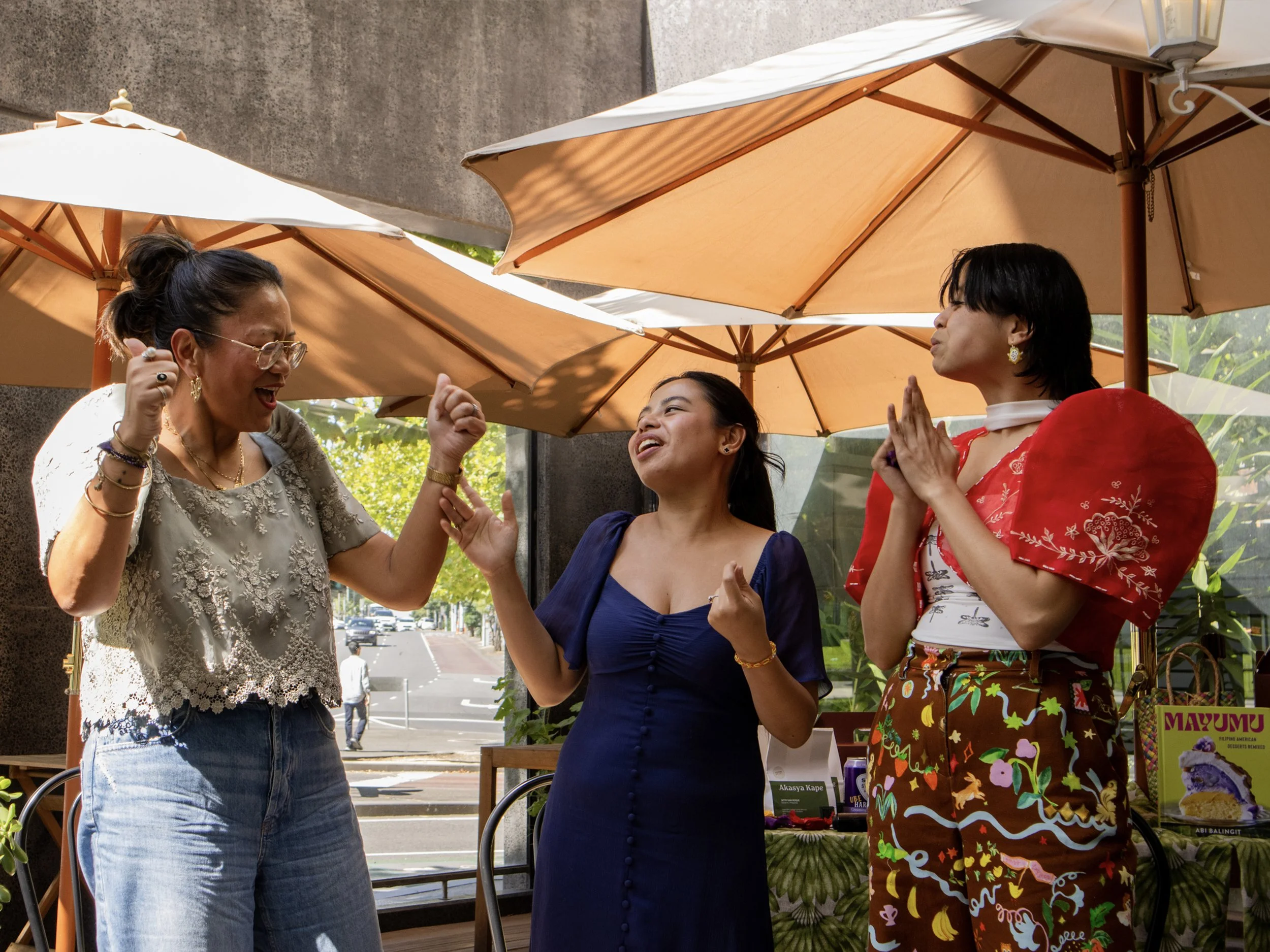
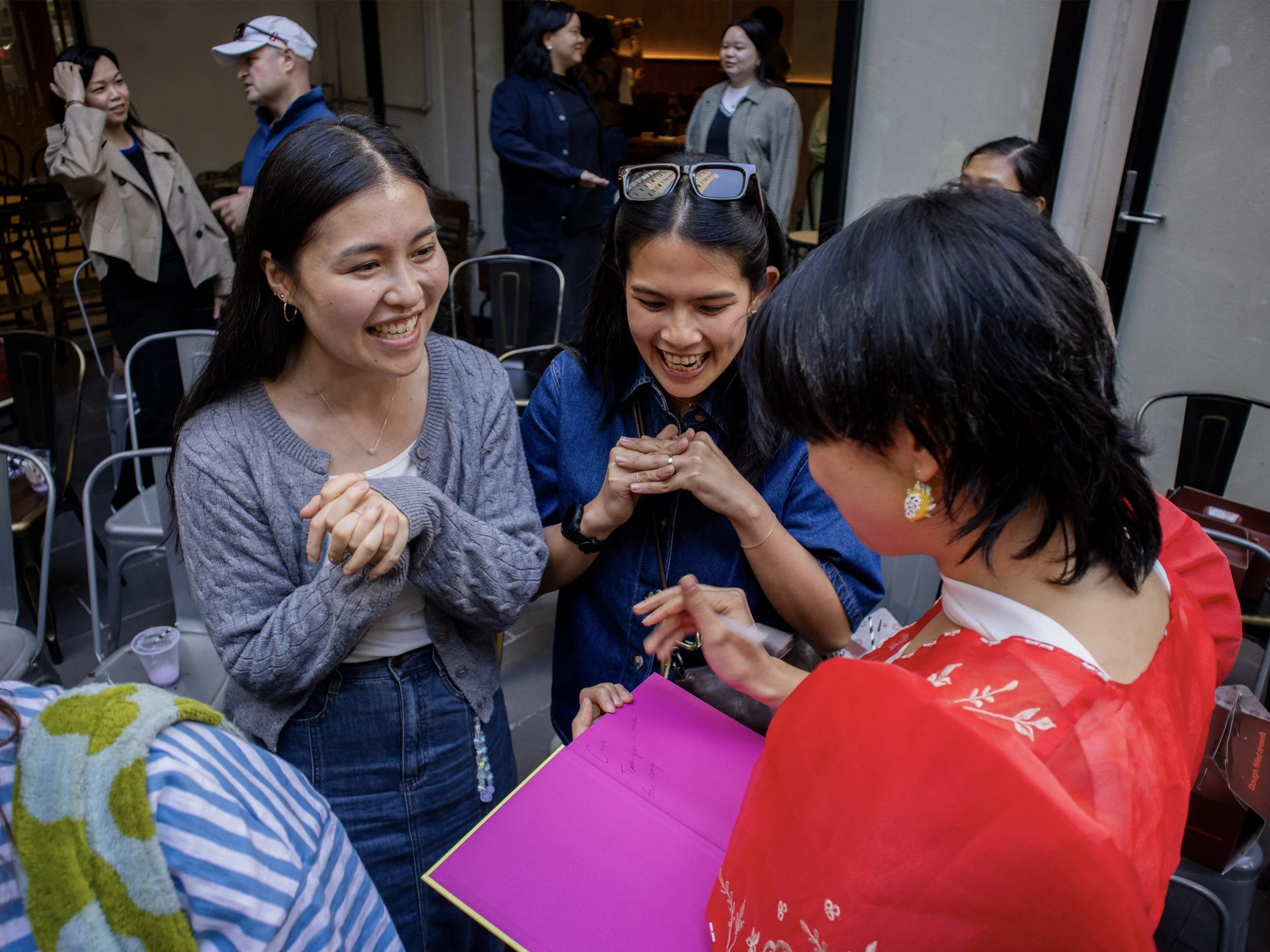
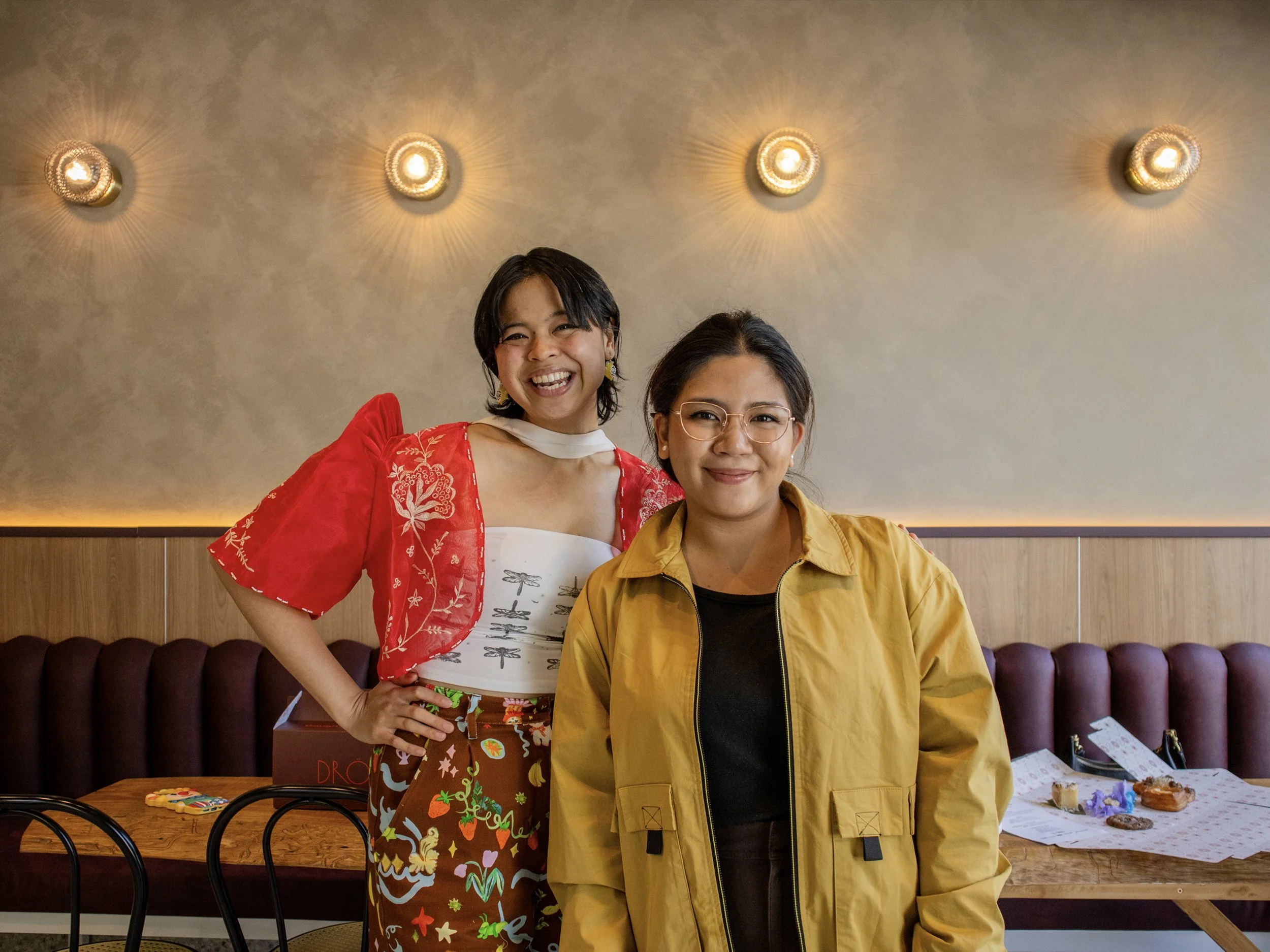
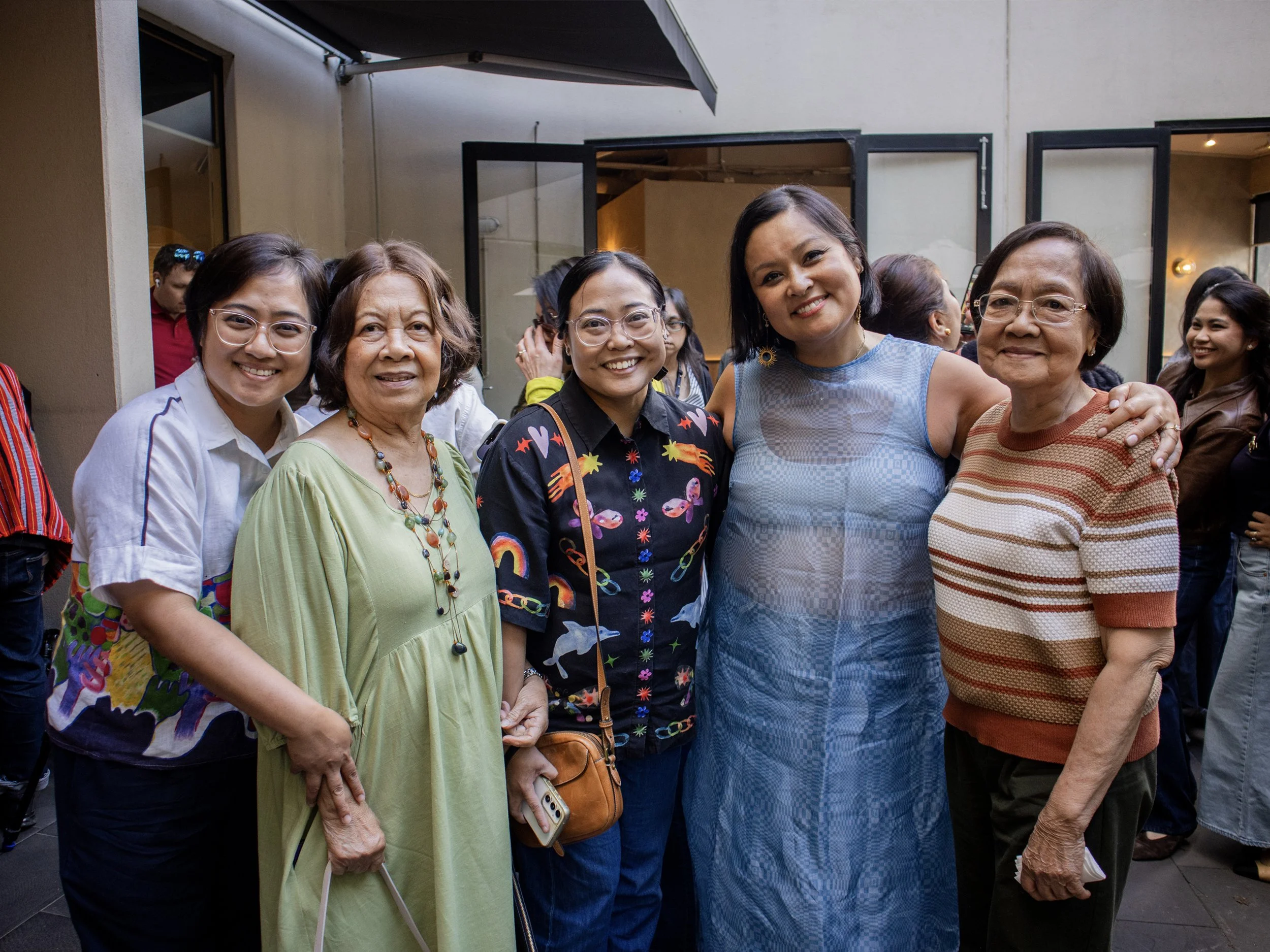
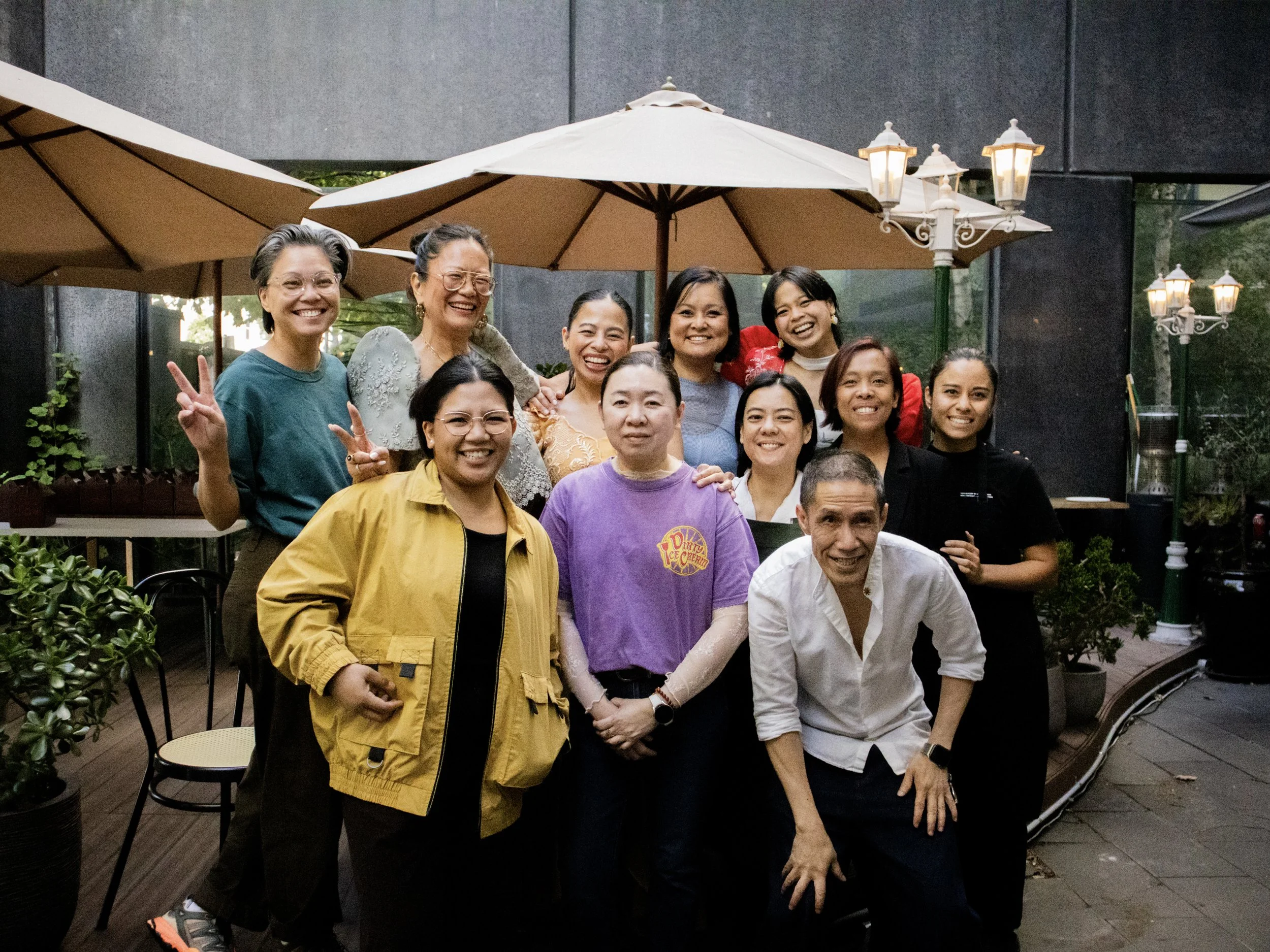
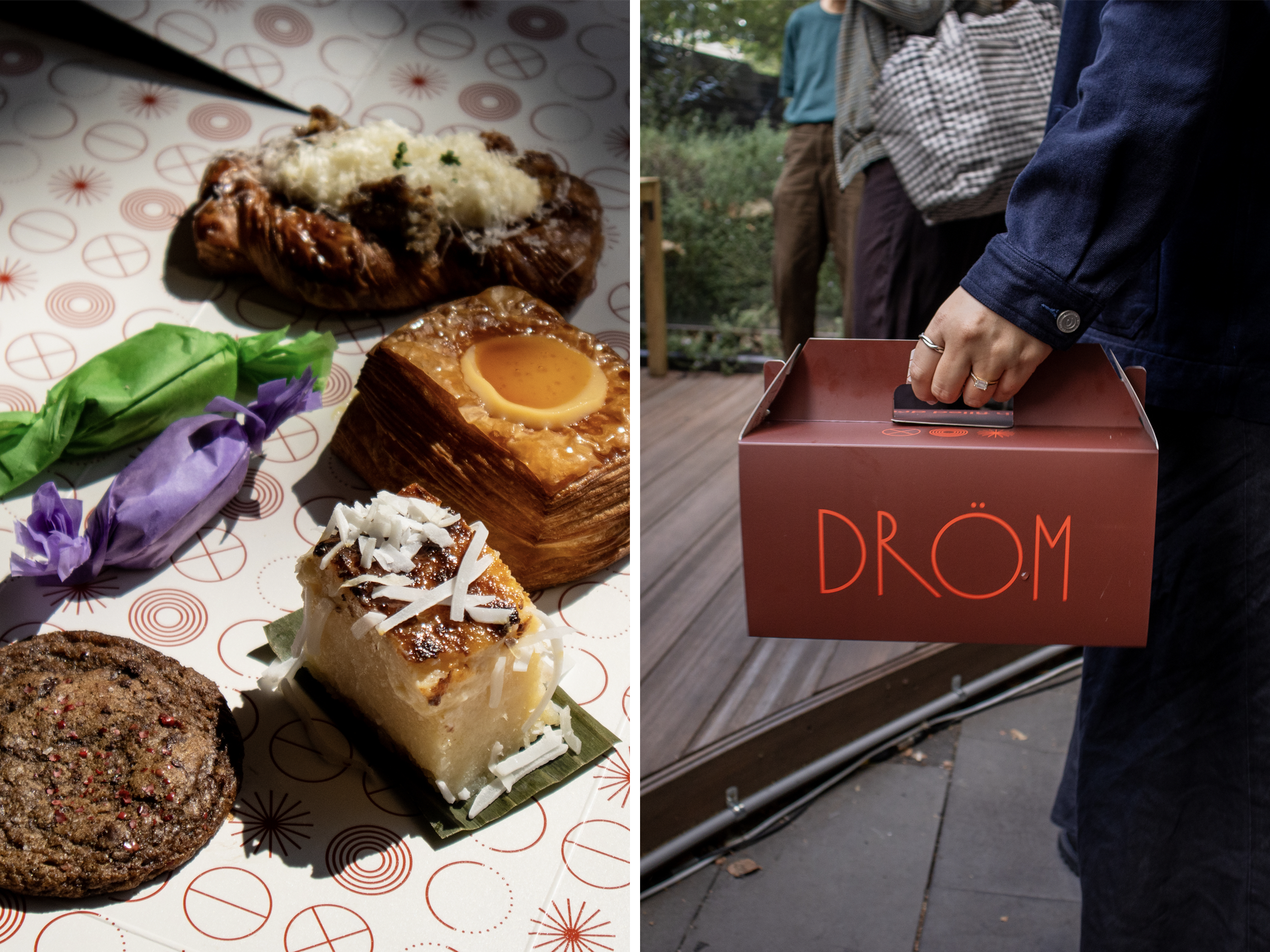
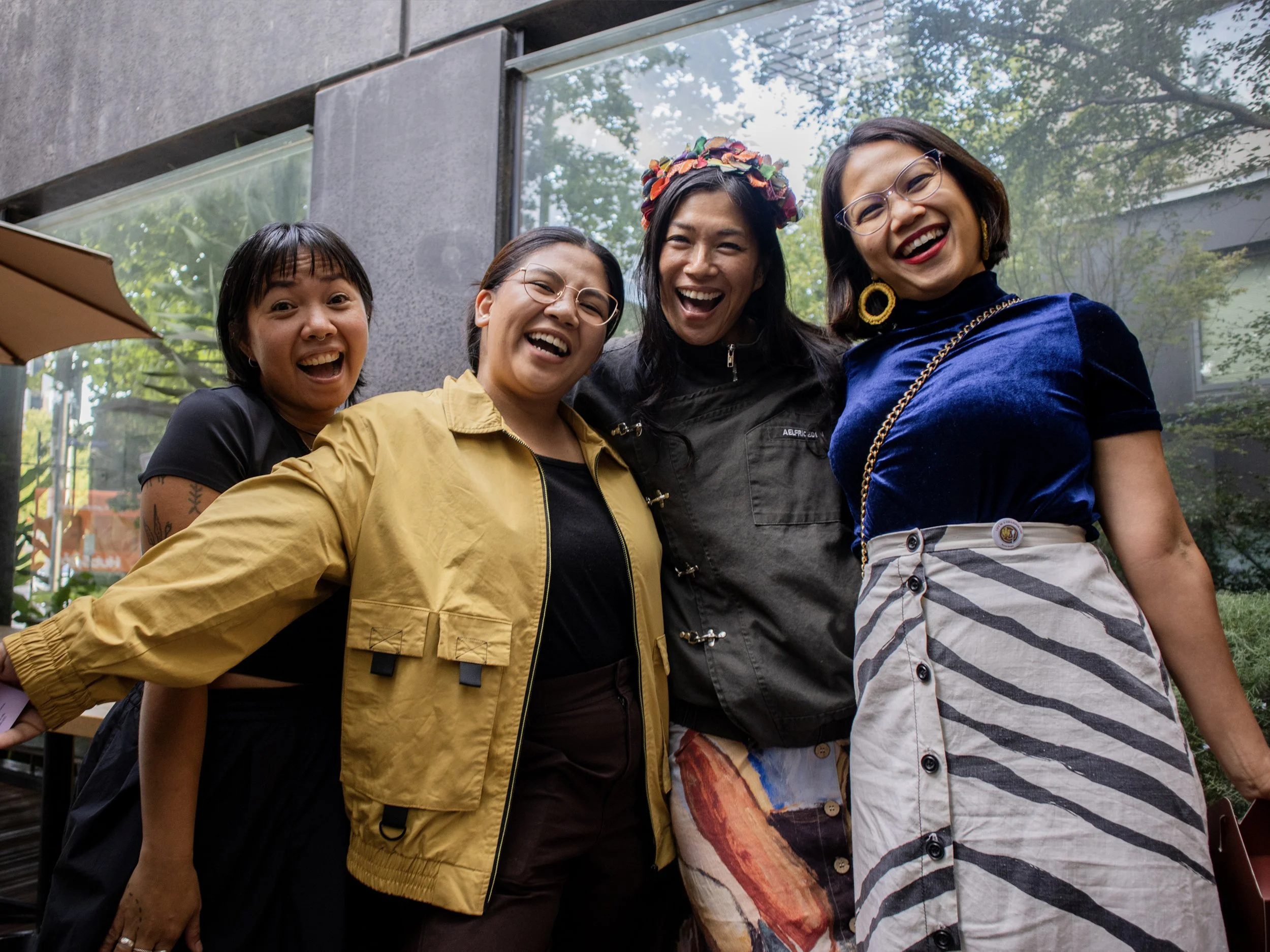
So when Musings & Merienda unfolded, it carried more than a menu. Laurice Fajardo of Halaya, Con Buada of Dröm and Brooklyn-based author Abi Balingit were joined by The Entree.Pinays – including Grace Guinto, Kristina Náray, Fides Santos-Arguelles and Felis Sarcepuedes, who is also co-founder of Akasya Kape and provided the day’s cold brew kape – alongside Raine Cabral Laysico, opening up a conversation around origin, authorship and what it means to be seen on their own terms.
Photography by Maysie Lecciones:
Q&A with Grace Guinto of Sweet Cora
For anyone unfamiliar, how would you explain merienda?
For Filipinos, merienda sits in between everything – breakfast and lunch, lunch and dinner, even dinner and sleep. It’s constant.
It’s also an excuse – in the best way – to gather. To have something small on hand while spending time together, talking, learning, leaning on each other. It’s never just about the food.
Filipino desserts are often framed as nostalgic or niche. Did this event shift that?
Completely. What we explored was the evolution of merienda across three phases – pre-colonial, colonial and post-colonial.
In the pre-colonial period, food was deeply connected to the land and sea – coconut, root crops, fresh fruit, seafood. There are even early accounts from Spanish explorer Antonio Pigafetta in 1521 describing how Filipinos welcomed guests with these ingredients as an act of hospitality.
Then you move into the colonial era – centuries of Spanish rule, followed by American influence and the impact of Japanese occupation. That’s where you start to see shifts in ingredients, techniques and taste. There’s that phrase people often say – “300 years in a convent, 50 years in Hollywood.”
Now, we’re in this post-colonial phase, where so many of us are third culture. That shows up in how we bake, reinterpret and tell these stories through food.
Sitting alongside the other panellists, did you notice any shared threads?
So many of our stories came back to matriarchs.
From Chef Laurice’s Lola patiently stirring halaya over firewood in the backyard, to my own memories of my mum – my Sweet Cora – whose handwritten recipe for polvoron became the foundation of my Cornflake Crunch polvoron.
That connection was everywhere. It felt like we were all carrying something forward.
Looking back on the day, what’s the moment that’s stayed with you most?
Honestly, it’s been seeing all the post-event reflections from people who attended.
One that really stayed with me was from Althea, a Filipino international student from Aklan in the Western Visayas, now studying her MBA here. She spoke about how merienda is often seen as something light, but that the conversations that day felt “heavy with history and hope.”
That really captured it. It wasn’t just about serving food – it was about reclaiming narrative.
What felt different about this gathering compared to others you’ve been part of?
It felt like a barrio fiesta.
We got to reconnect with old friends and make new ones. Even saying goodbye took time – it felt like the longest season of salutations, like the Filipino Christmas season that stretches on and on. Always ending with “kita tayo uli!” – we’ll see each other again.
On a personal level, what did the event leave you thinking about?
It made me reflect on how vibrant Filipinas in food really are.
There’s so much personality, creativity and generosity in this space. And it’s not just about what’s being served, but who’s serving it and the stories behind it.
Seeing that come together – on a platform like the Melbourne Food and Wine Festival – felt significant. It felt like a moment, but also like a beginning.