Home Is Where the Pressure Cooker Whistles
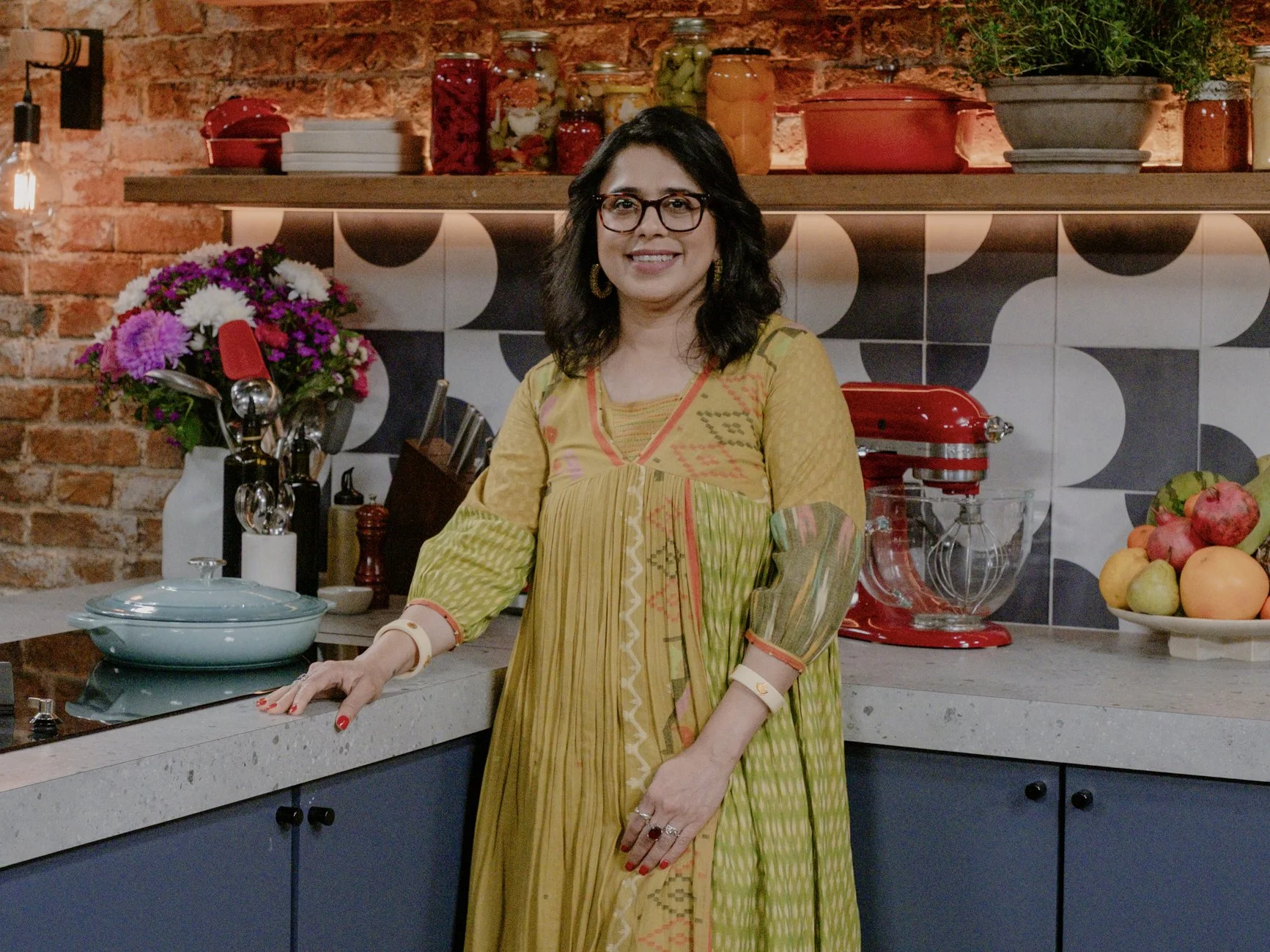
Lead Photo by Jiwon Kim
Featuring: The Modern Desi: Everyday
Author: Bhavna Kalra Shivalkar
Production, styling and editing: Ismat Awan
Book photography and design: Luisa Brimble
Some family heirlooms aren’t kept in jewellery boxes. They’re found in kitchens, passed between generations and carried across oceans. For Bhavna Kalra Shivalkar, those heirlooms have found a new home in her first e-book, The Modern Desi: Everyday.
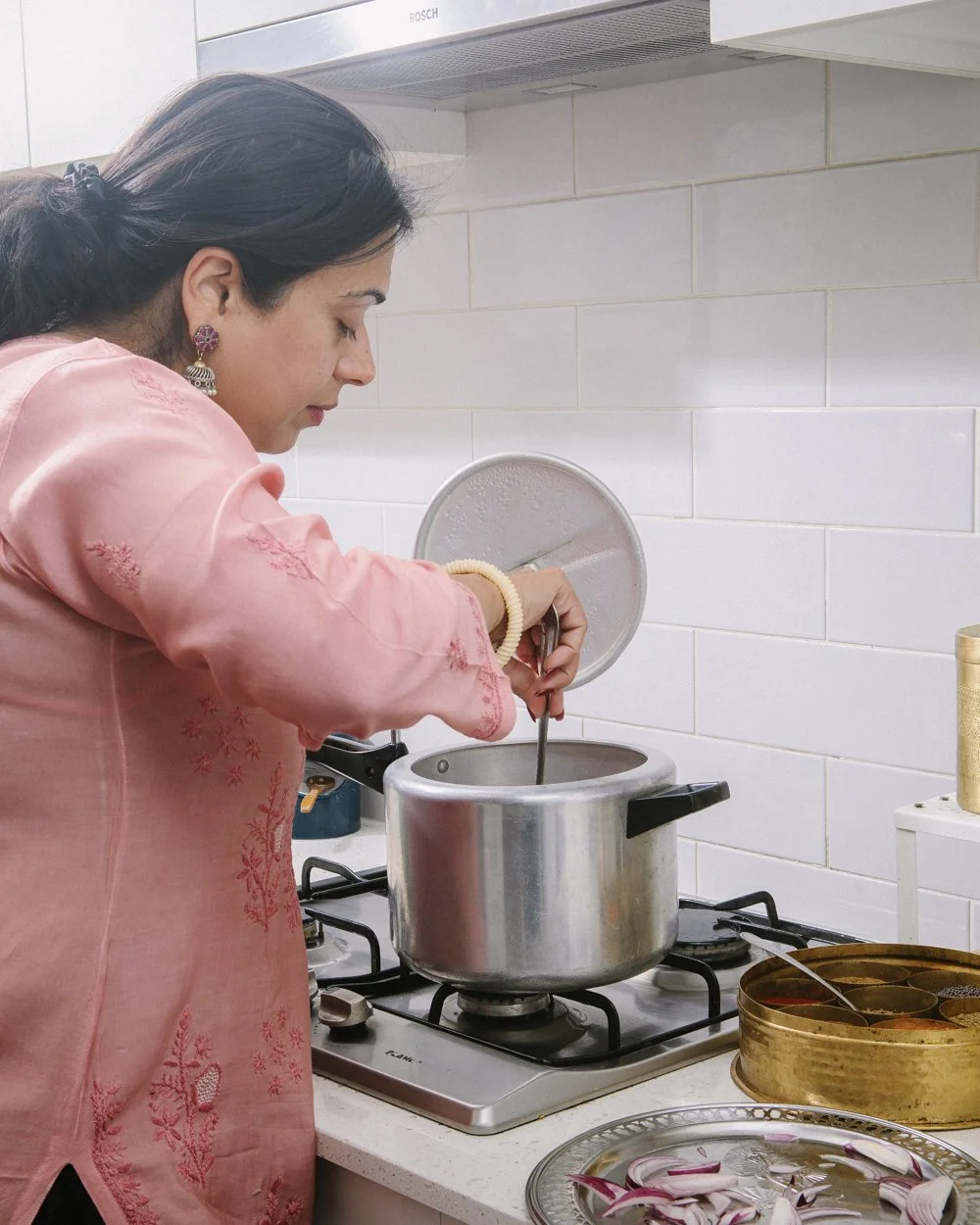
Sixteen years ago, when Bhavna Kalra Shivalkar left India to start a new life in Australia, she brought something with her that many migrants would understand: a pressure cooker.
Growing up in Mumbai, the familiar whistle of her mother’s pressure cooker was part of her childhood soundtrack. It meant Maa was in the kitchen, preparing the lentils that appeared on the family table almost every day. It meant that someone was cooking. It meant that she was home.
“I couldn’t imagine setting up a kitchen without one,” Bhavna recalls.
For those of us who have migrated, or grown up in families that have, the things we carry across borders are rarely just things. They remind us of the people who raised us, the rituals that shaped us and the ordinary moments we never imagined missing.
For Bhavna, that pressure cooker became a connection between two homes, and eventually, the start of something much bigger.
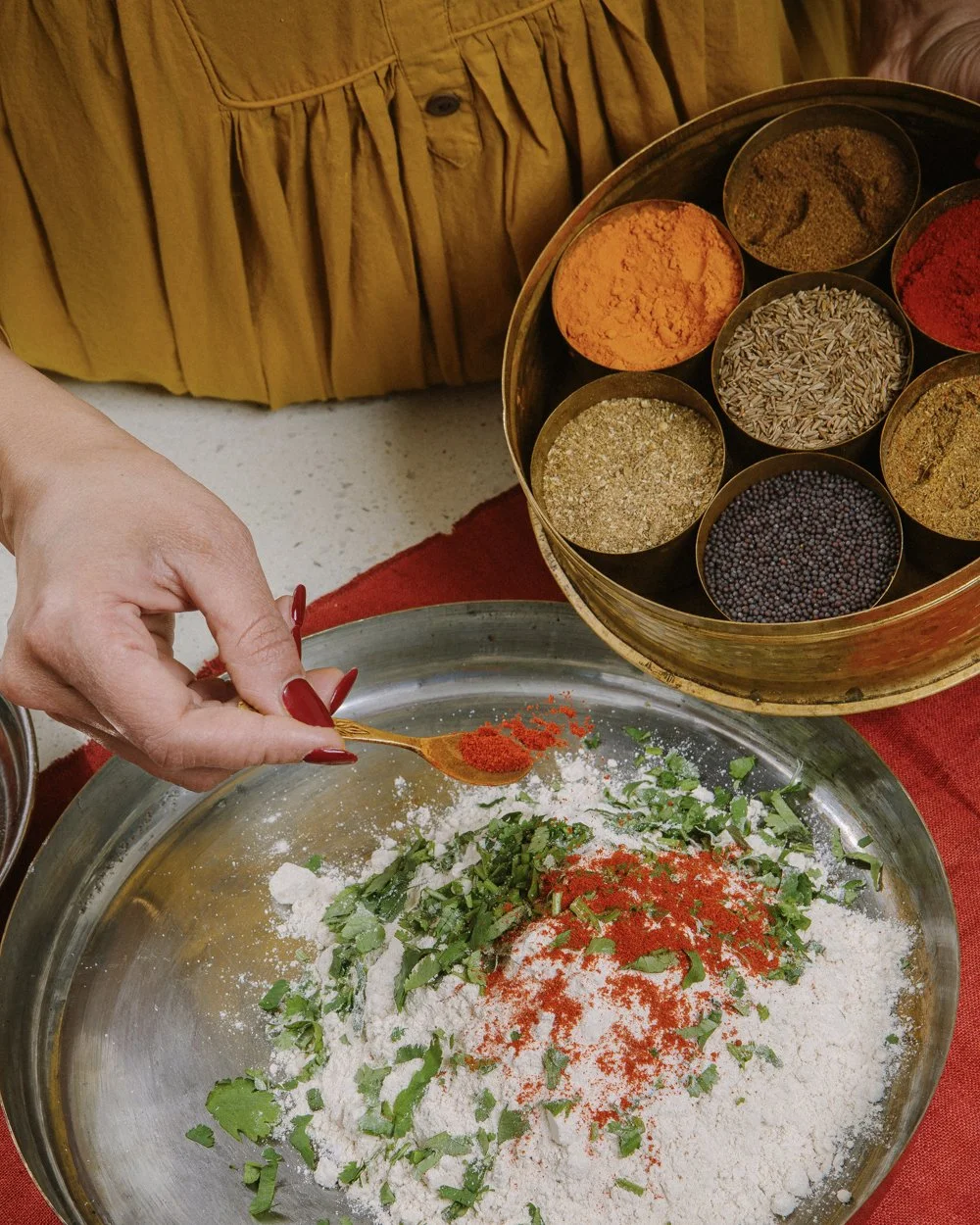
Born in Mumbai and now based in Sydney, Bhavna founded The Modern Desi Co, which celebrates Indian food through cooking classes, cultural experiences, and culinary tours across Australia and India.
But long before the business, there was a young woman in Perth, trying to make sense of her new surroundings.
“When I first moved to Australia, those early years were far from easy. I missed my family, my language and the colour of home. The one thing that still felt familiar was the kitchen.”
She began writing a food blog, documenting recipes she had grown up eating and the memories attached to them.
“I started the blog to work through that homesickness, writing down the recipes I grew up with and sharing it with others like me, so I didn’t feel alone.”
Over time, that personal response to homesickness evolved into cooking classes, walking tours of Sydney’s Harris Park and culinary tours through India.
Now, that journey has found another home in The Modern Desi: Everyday, Bhavna’s first e-book.
“It feels like proof that a homesick girl from India found her way home through food.”
To understand Bhavna’s cooking, you have to understand the people who taught her.
Her grandfather was her first teacher. During the Partition of British India in 1947, he was forced to leave his home in Multan, in what became Pakistan, overnight. Food became one way he stayed connected to the place he had lost.
Her father was another enthusiastic cook, known for his chicken curry, hot chai and pakoras.
Her mother, meanwhile, never particularly enjoyed cooking. But every day, after returning from work, she made sure her family had something hot and nourishing to eat.
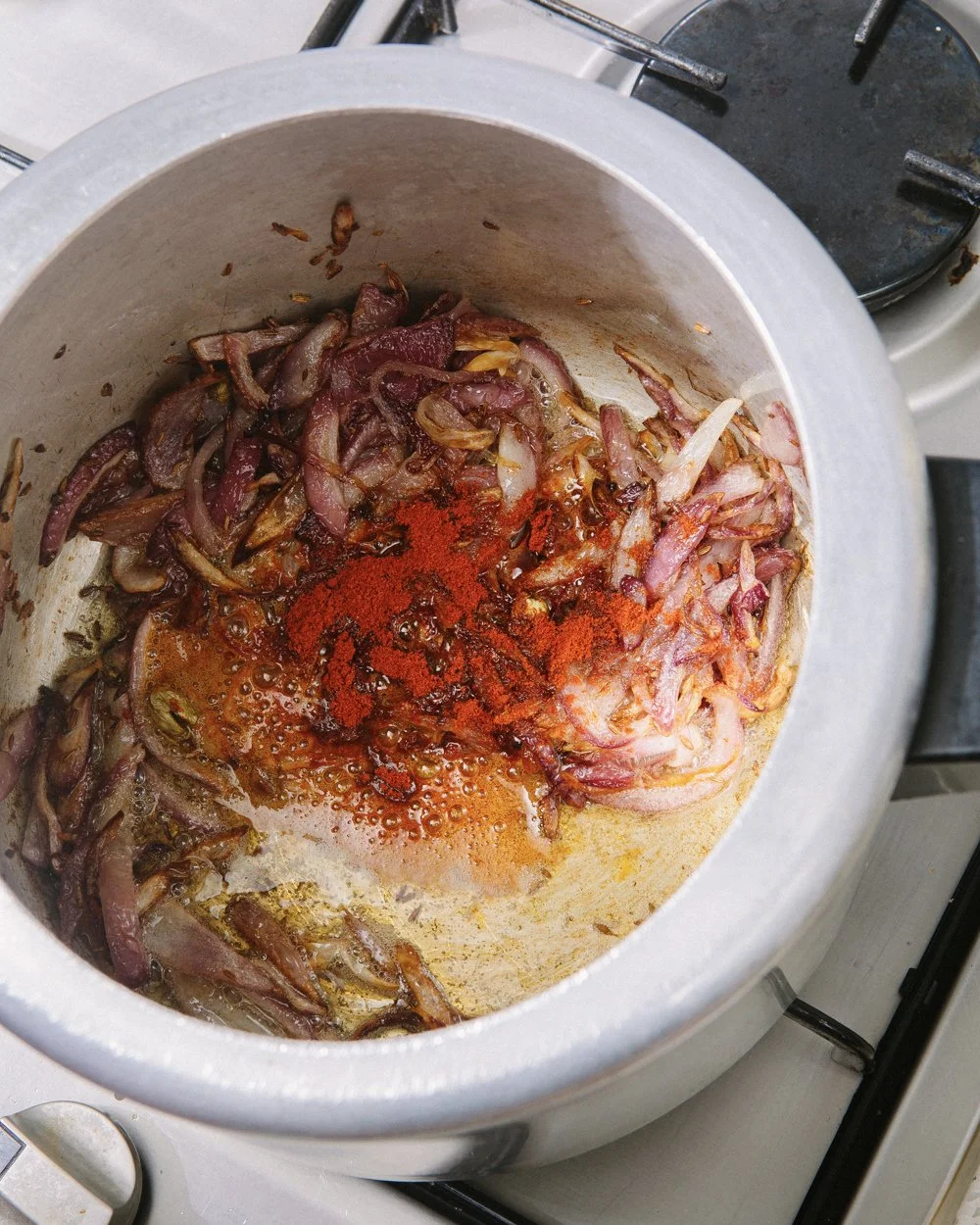
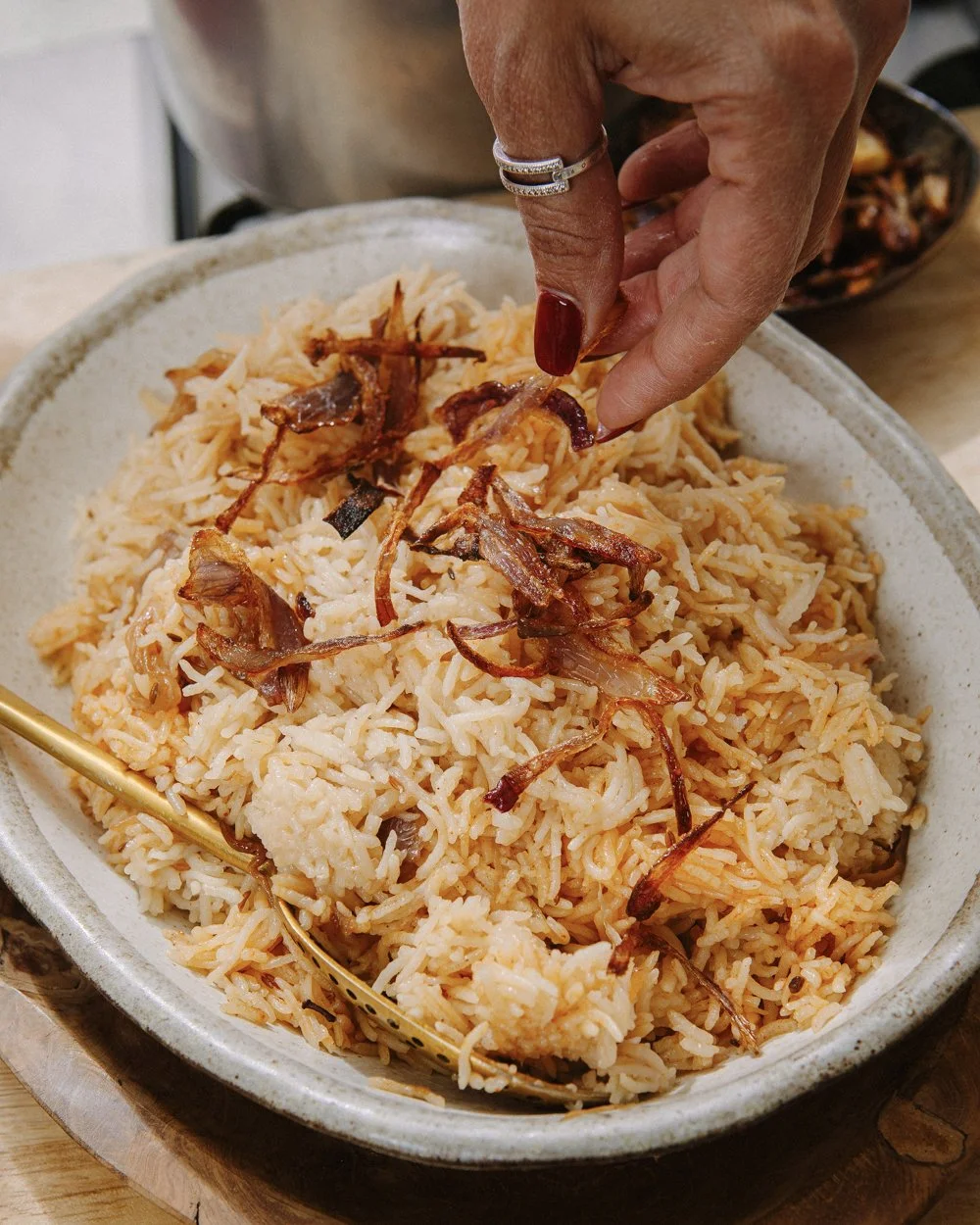
One of those meals was Bhuga Chawal, a caramelised onion rice she could prepare in under thirty minutes. The smell of onions browning with cumin and cardamom still takes Bhavna straight back to her childhood.
While she was finishing the e-book, her mother happened to be visiting Sydney. Once again, that familiar rice became a regular fixture on the dinner table.
“It felt like the two versions of my life, the girl in India and the woman in Australia, sitting down together for a meal with the two constants in my life – my Maa and the pressure cooker.”
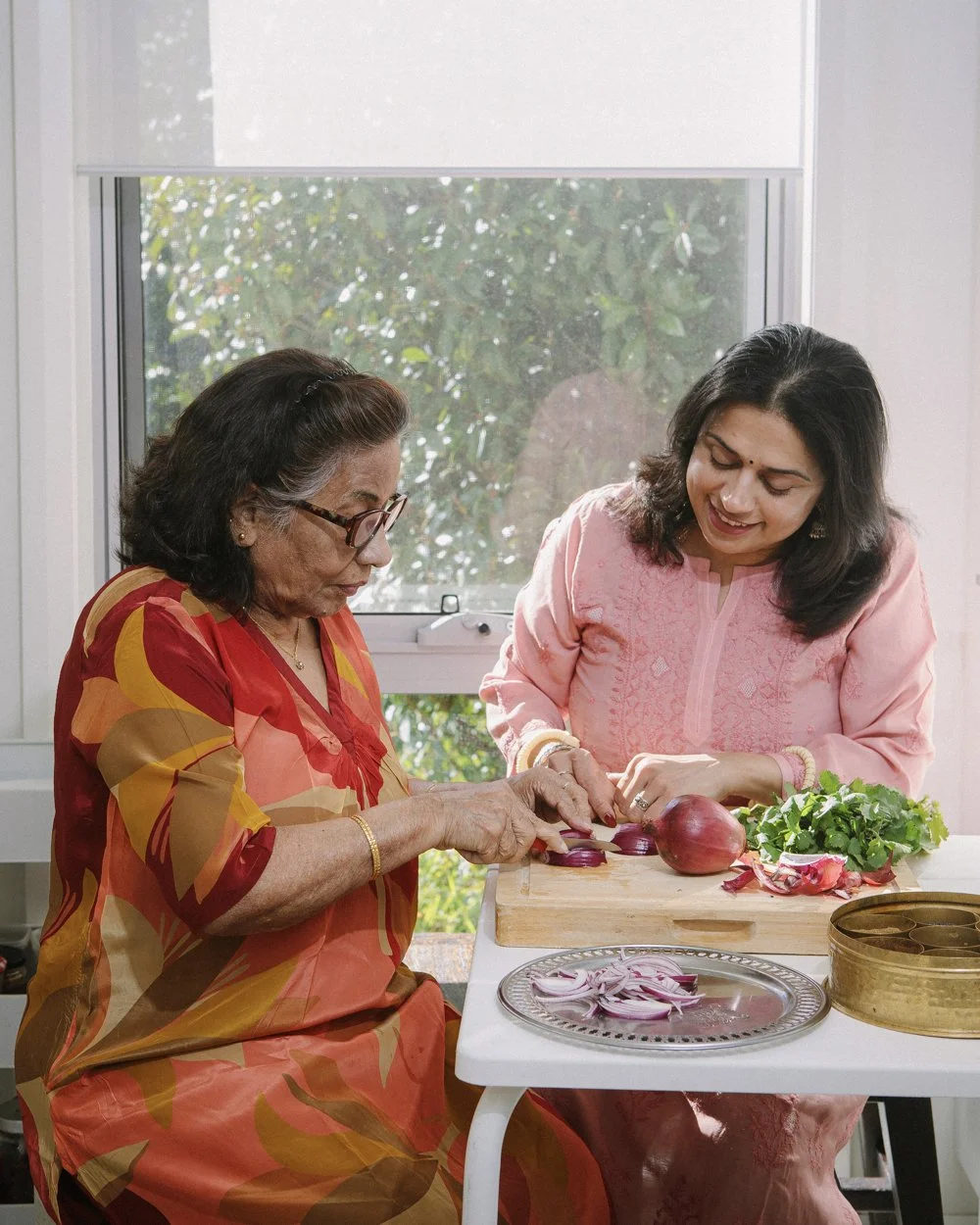
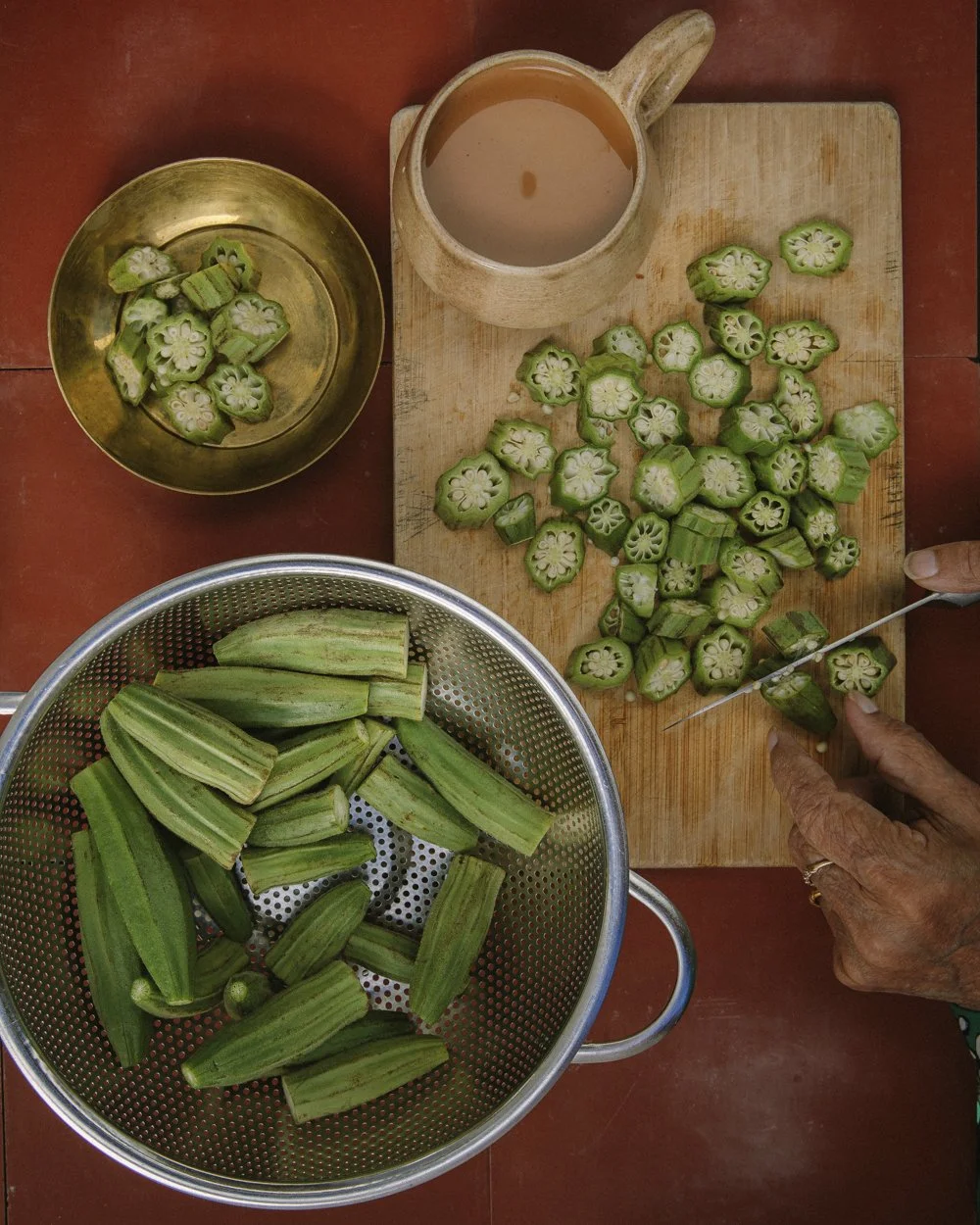
Her culinary education continued when she married into a Maharashtrian family from the Konkan coast. Her mother-in-law introduced her to different ingredients and techniques, including fresh coconut and the Malwani Prawn Curry that appears in the book.
Each generation, region, and family taught her something different. And much of that knowledge had never been written down.
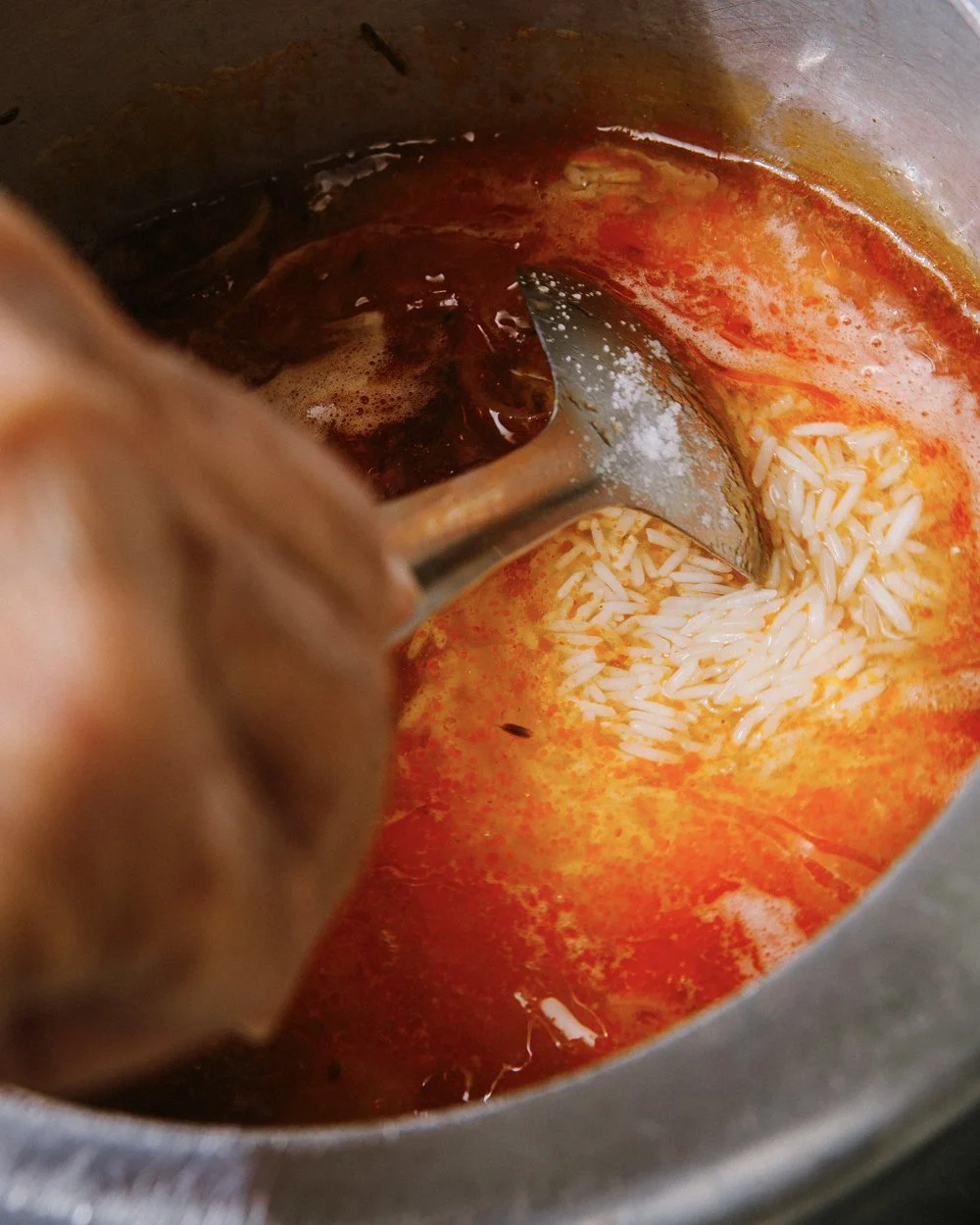
In Indian kitchens, Bhavna explains, there is a word for cooking by instinct: andaaz.
Her mother and mother-in-law rarely measured ingredients. Ask how much spice to add, and the response would be “andaaze se”, loosely translated as “as much as you want”.
But when Bhavna began teaching others, she discovered how difficult it could be to explain something she had spent a lifetime simply knowing.
How do you describe the moment onions have browned enough? The smell that tells you a dish is ready? How do you describe the way mustard oil changes after it has smoked?
“Standing in front of a class, I realised I had to translate instinct into language.”
This knowledge sits at the heart of The Modern Desi: Everyday. Alongside measurements and cooking times, Bhavna encourages readers to trust their senses.
“The clock can guide you, but your senses will teach you.”
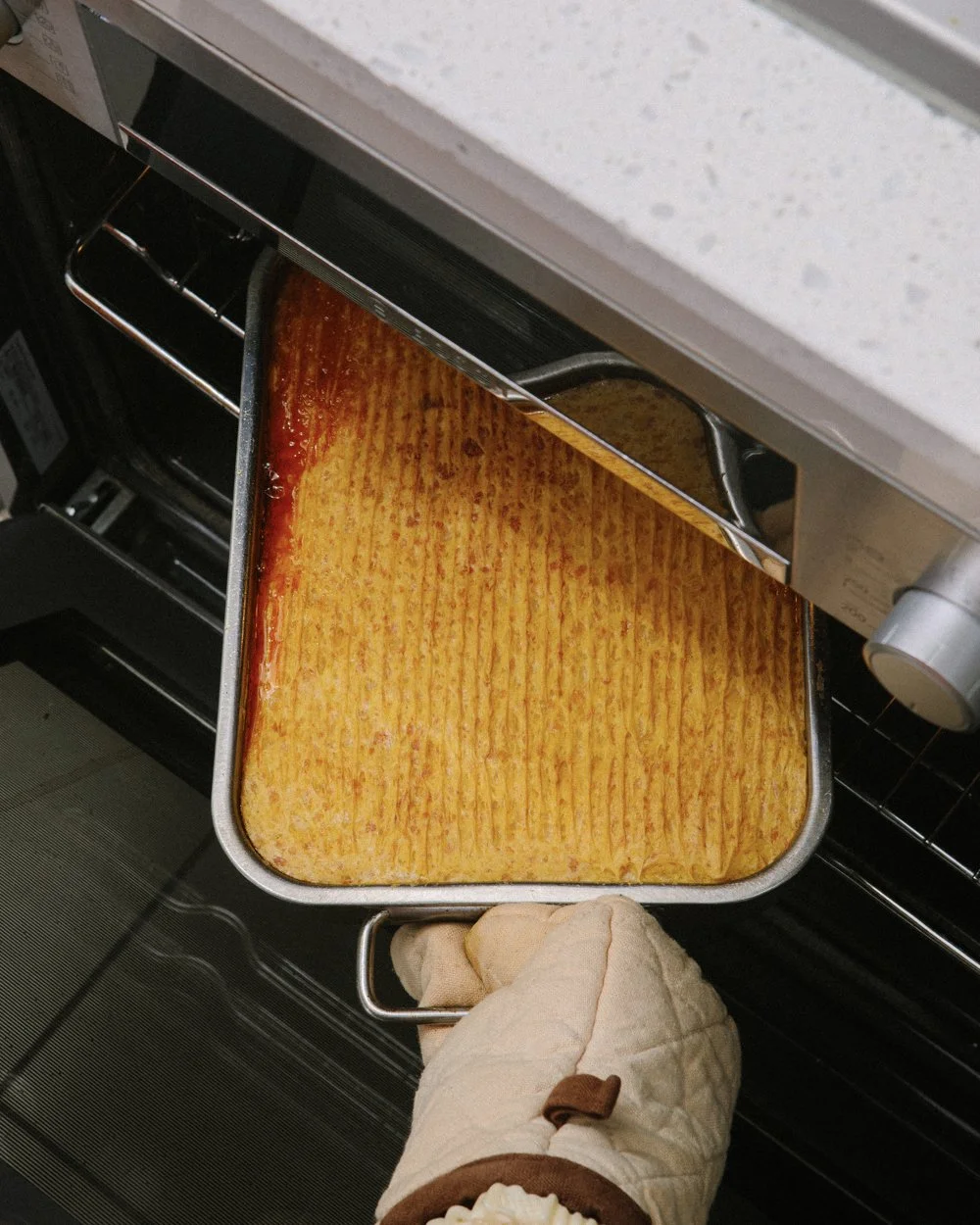
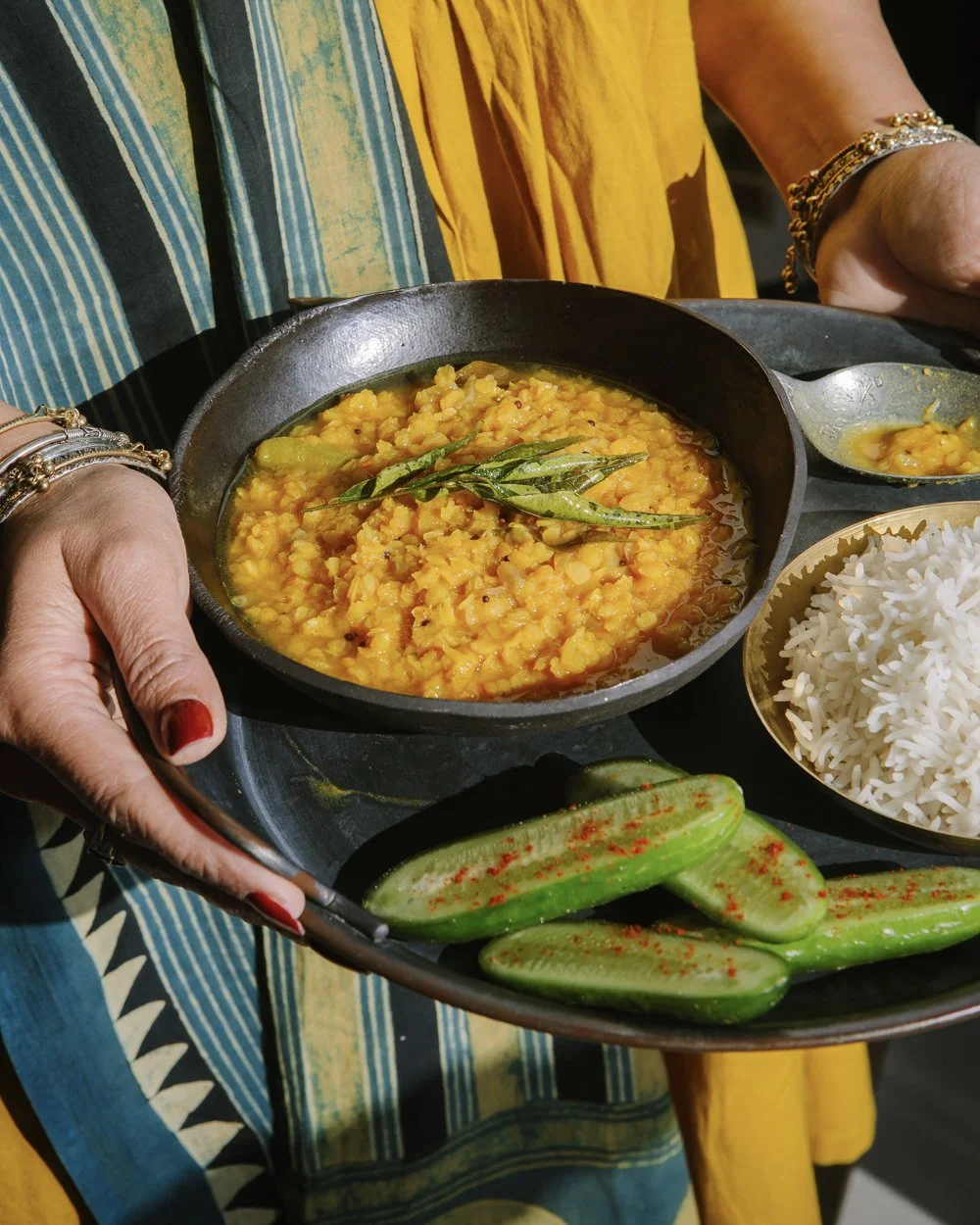
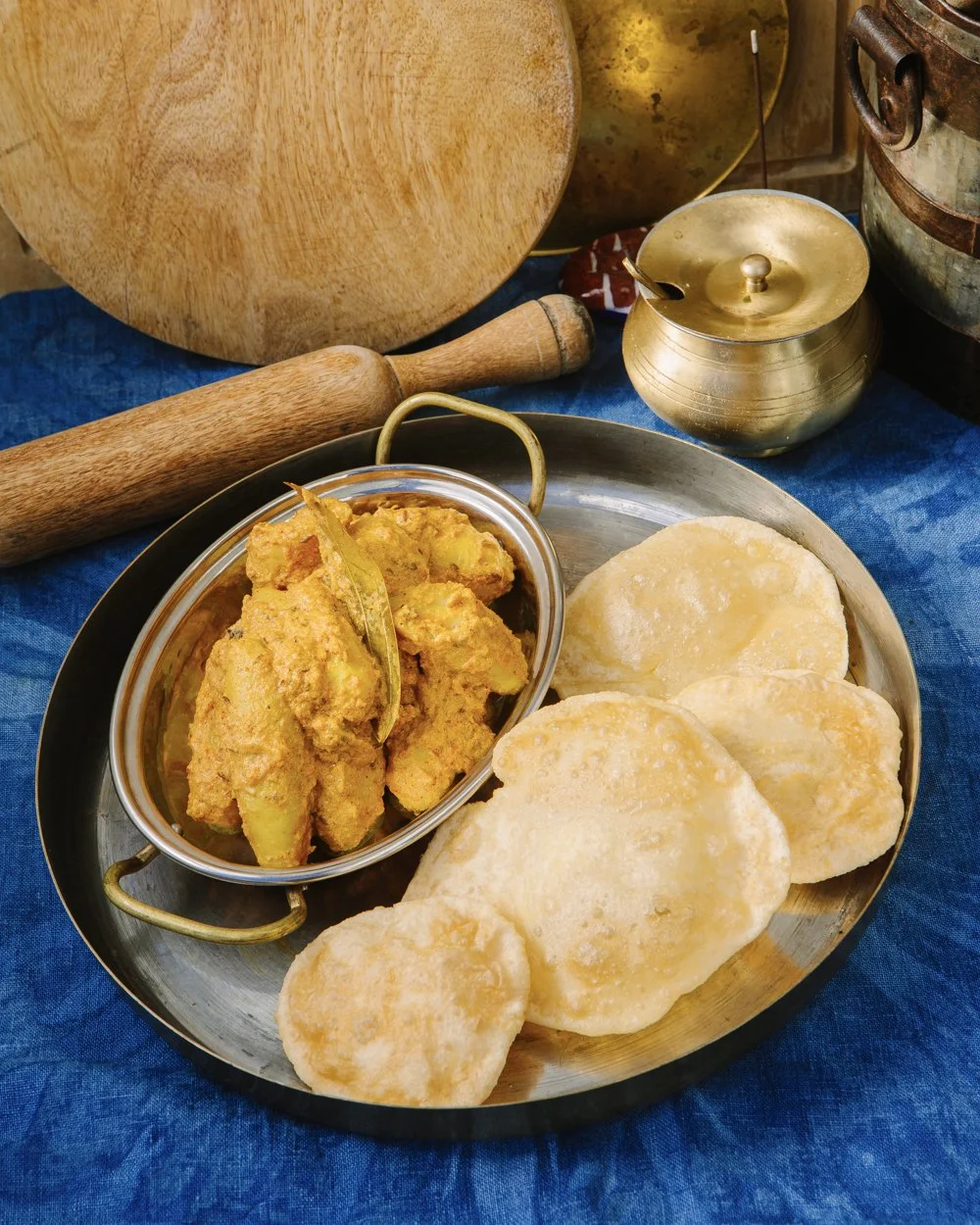
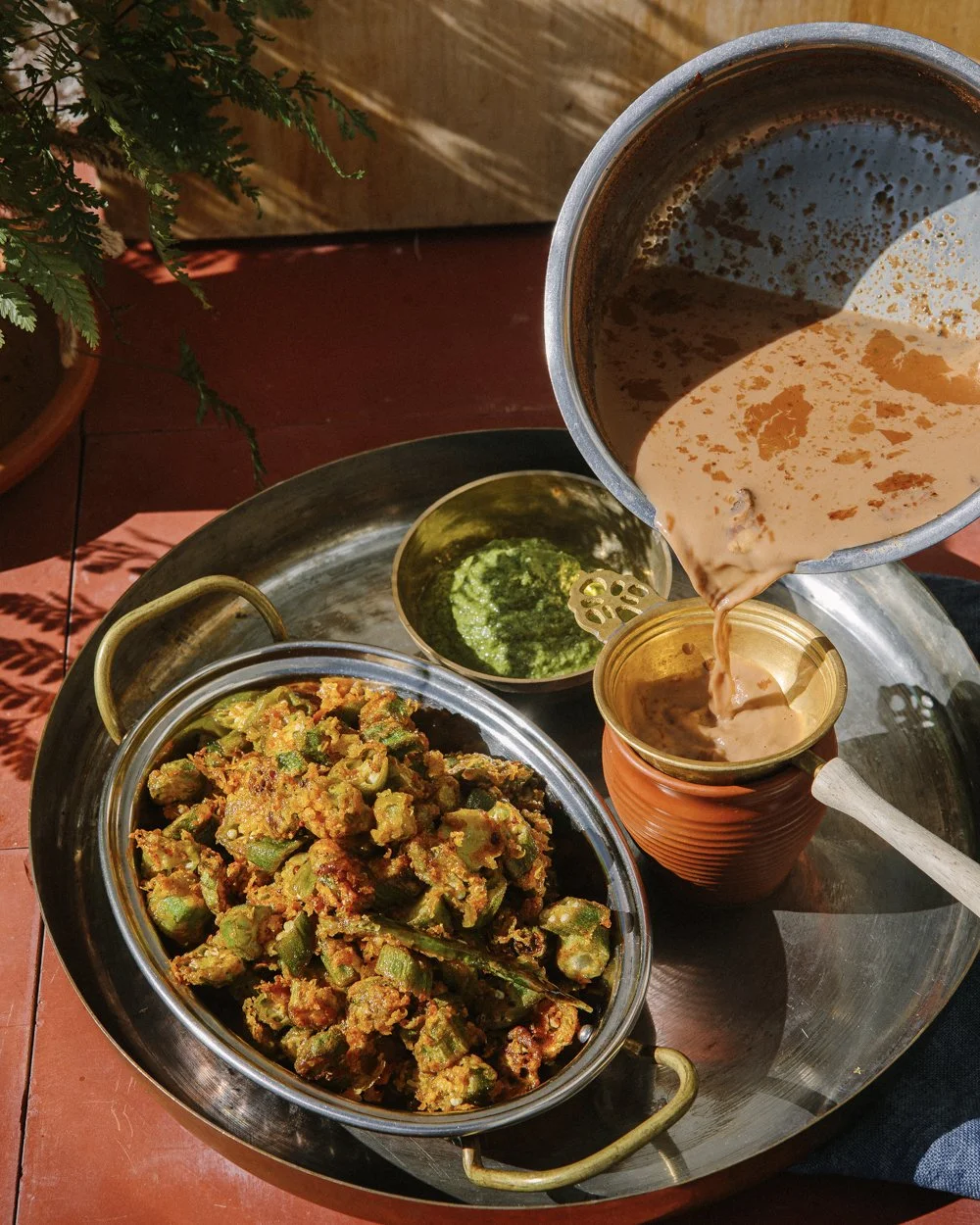
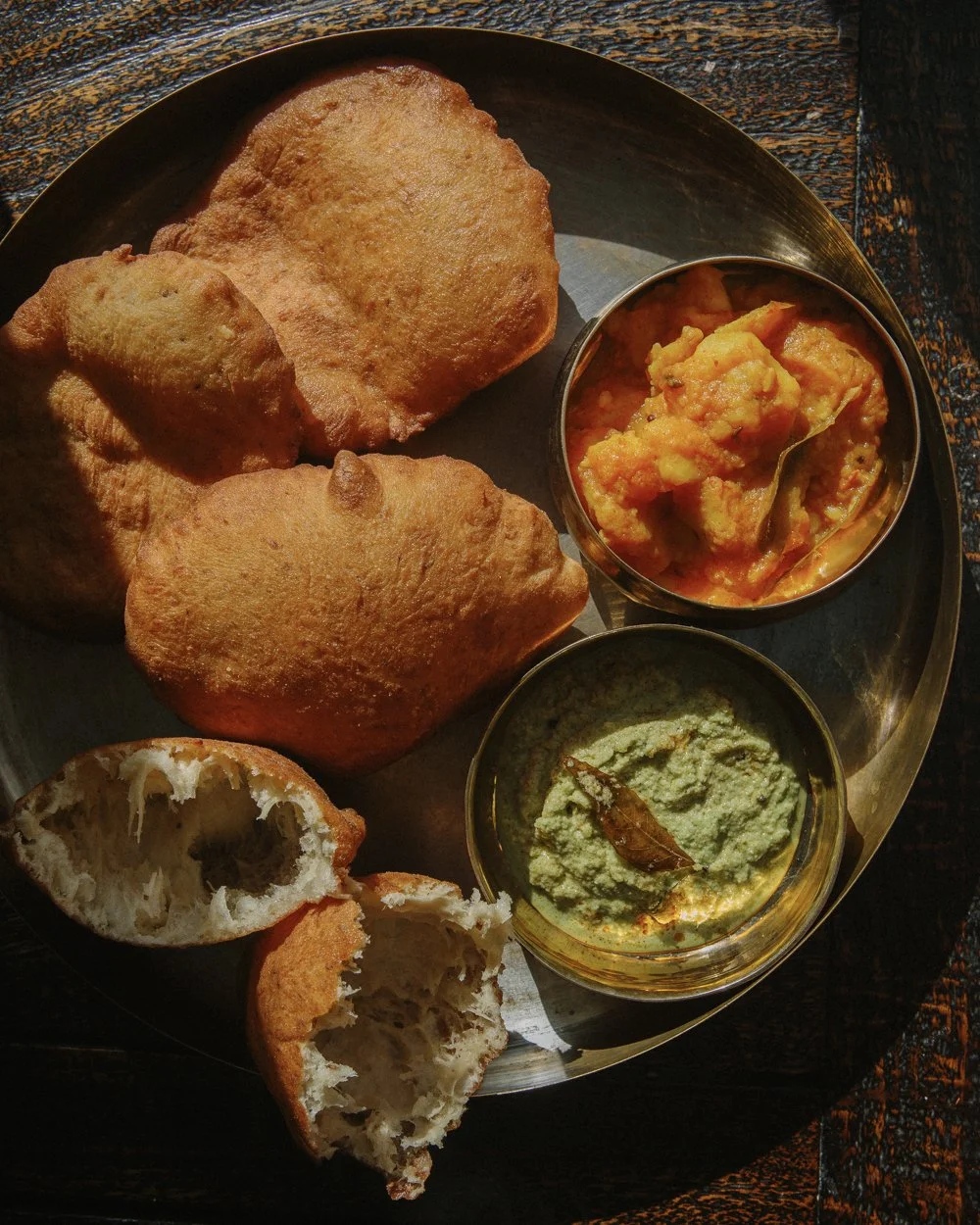
The book features everyday dishes including Masoor Dal, Bengali-style Dum Aloo, Paneer Bhurjee, and Mangalore Buns, alongside family favourites and recipes reflecting her life between cultures, including sweet potato and ricotta parathas and an Indian-inspired shepherd’s pie.
“I feel my role is to be a bridge. I want to carry these recipes forward so they aren’t lost, but also to open the door wider.”
That same desire to represent culture with care brought two other women into the making of the book: Pakistani-Australian culinary creative Ismat Awan and Filipina-Australian photographer and designer Luisa Brimble.
Ismat, who produced, styled and edited the e-book, wanted its visual identity to reflect Bhavna herself.
“Her home, spirit and cooking are filled with much colour, warmth and zaika,” she says, using the Urdu word for taste or zest.
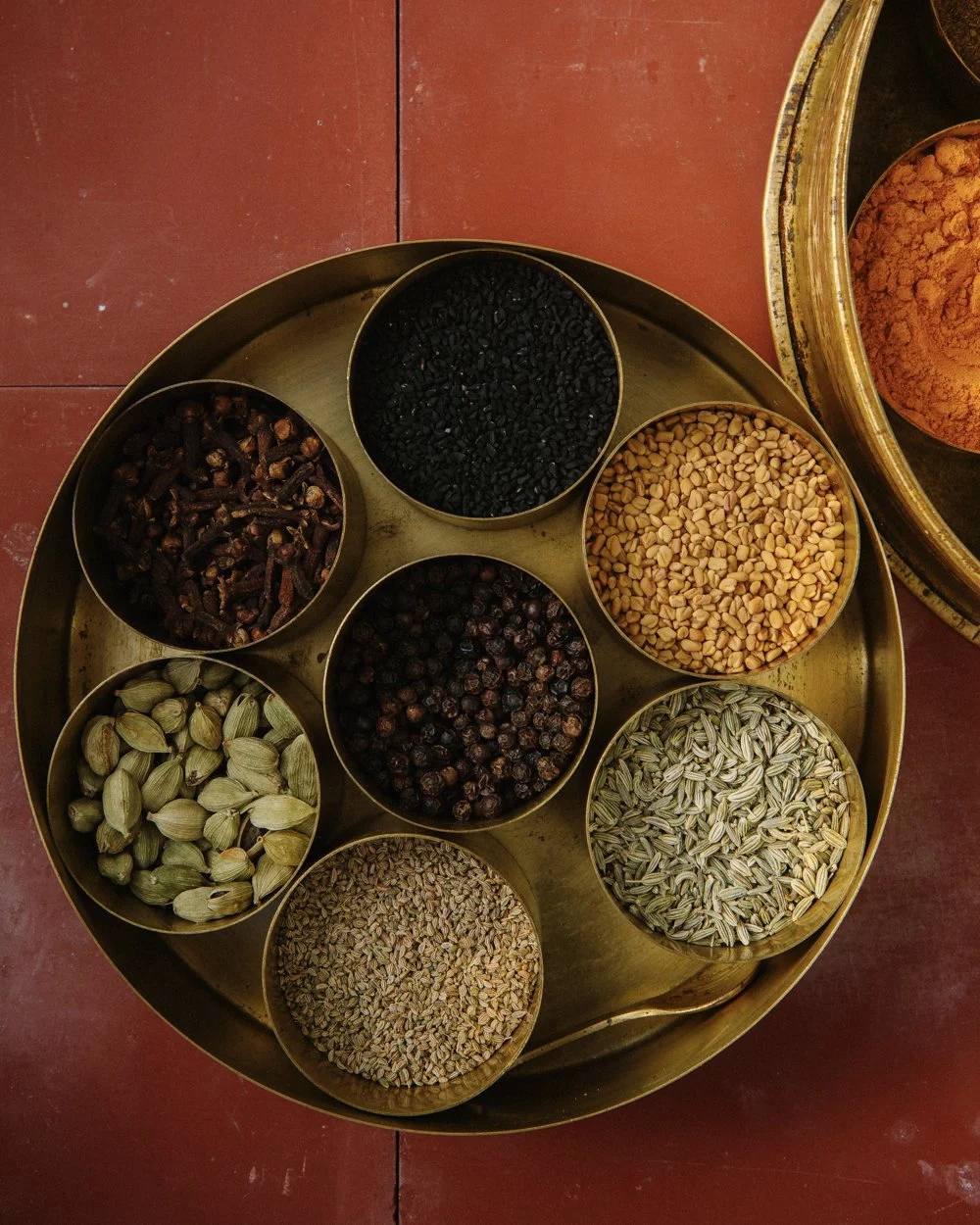
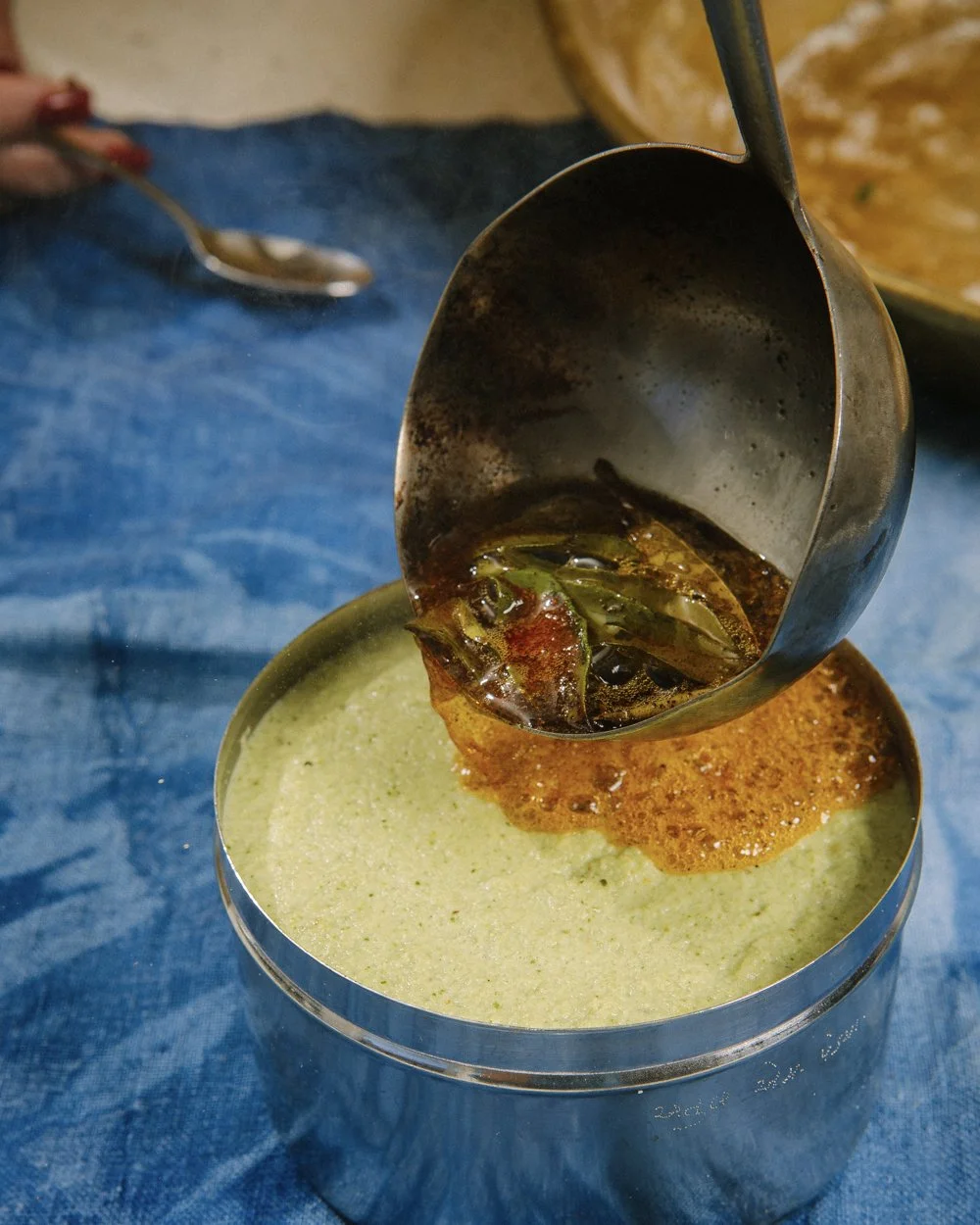
Instead of sourcing elaborate props, the team worked with what already existed in Bhavna’s home. Steel utensils, brass masala dabbas, familiar plates and the hands of the women who cooked the food became part of the visual story.
For Ismat, the collaboration offered something especially meaningful.
“There was an immense feeling of being held and being understood from the outset. No over-explaining or debilitating sense of ‘editing’ or ‘pairing back’ just for the sake of it.”
Luisa approached the photography with a similar philosophy, wanting the images to feel familiar and approachable.
For the cover, the team chose a photograph of hands tearing bread and sharing a meal over a more carefully composed image.
“We chose movement over neatness, and I think that says a lot about the spirit of the book,” Luisa explains.
Together, these three women created something on their own terms. They didn’t need to make Bhavna’s kitchen appear more sophisticated, her food more fashionable, or her heritage more palatable.
As Ismat puts it, “her food, culture and stories are enough as they are – rich as they are, nourishing as they are.”
There is a bigger conversation here, too, about the place of migrant food in Australia.
Our dining landscape is filled with cuisines brought here by generations of people who have crossed borders. We celebrate their flavours, build businesses around them and proudly call them part of Australian food culture.
Yet the people behind those cuisines do not always experience the same acceptance.
“Loving a cuisine and understanding the people behind it are not the same thing,” Bhavna says.
“It’s easy to enjoy a curry and never think about the family who cooked it, the sacrifices they made, or the struggles they faced to build a life here.”
Through The Modern Desi: Everyday, Bhavna hopes to introduce Australians to the extraordinary regional and cultural diversity of Indian cooking, far beyond the handful of familiar dishes that dominate restaurant menus.
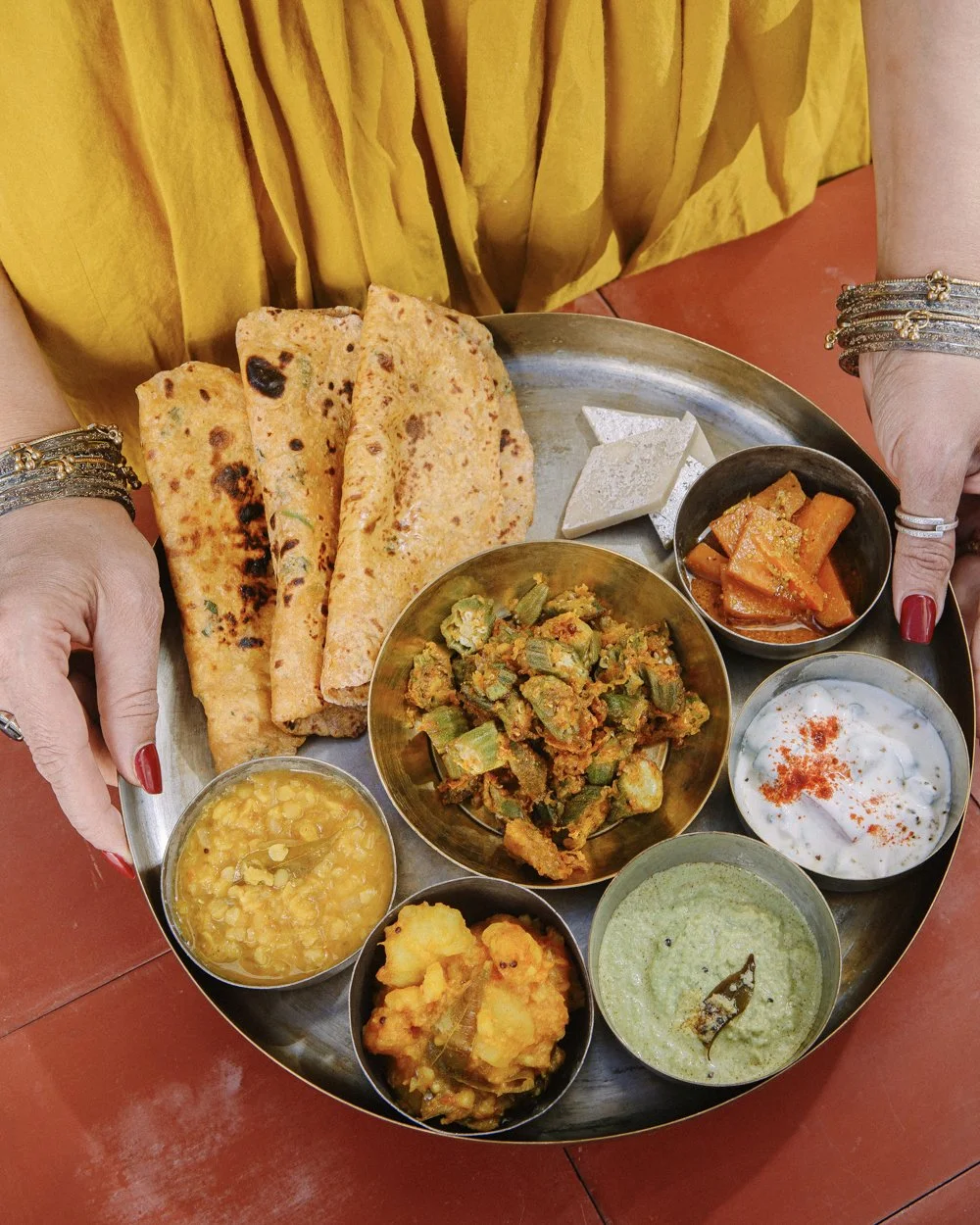
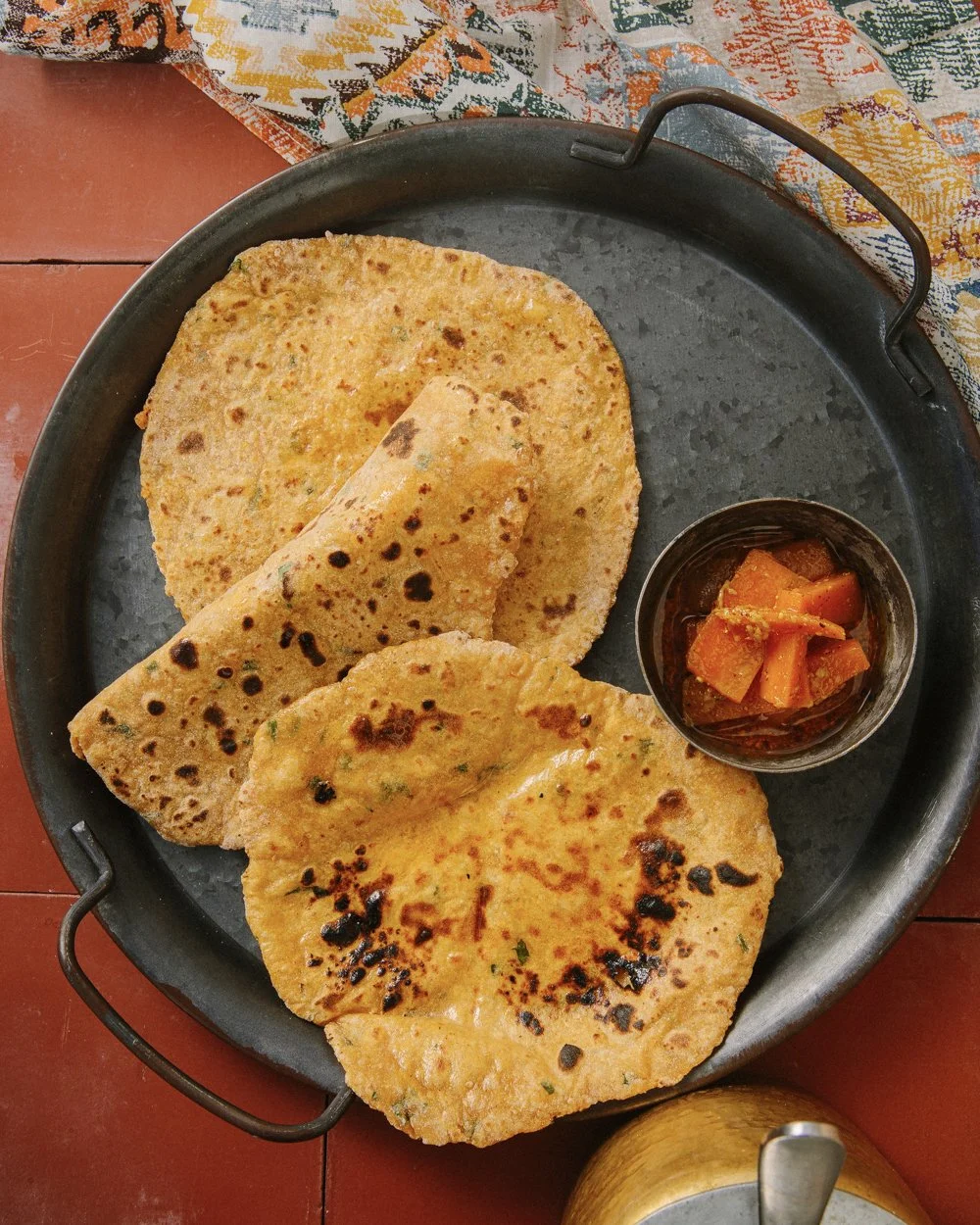
Perhaps the most beautiful thing about these recipes is that they remind us we don’t need to wait for a celebration to cook something meaningful. These are the foods of ordinary days, of tired mothers returning from work, of grandparents remembering another home and of families gathering around the table.
In passing on these family heirlooms, Bhavna is making sure the recipes and stories she grew up with continue to be cooked, shared and remembered. In kitchens far beyond her own.