Show & Tell, Melbourne
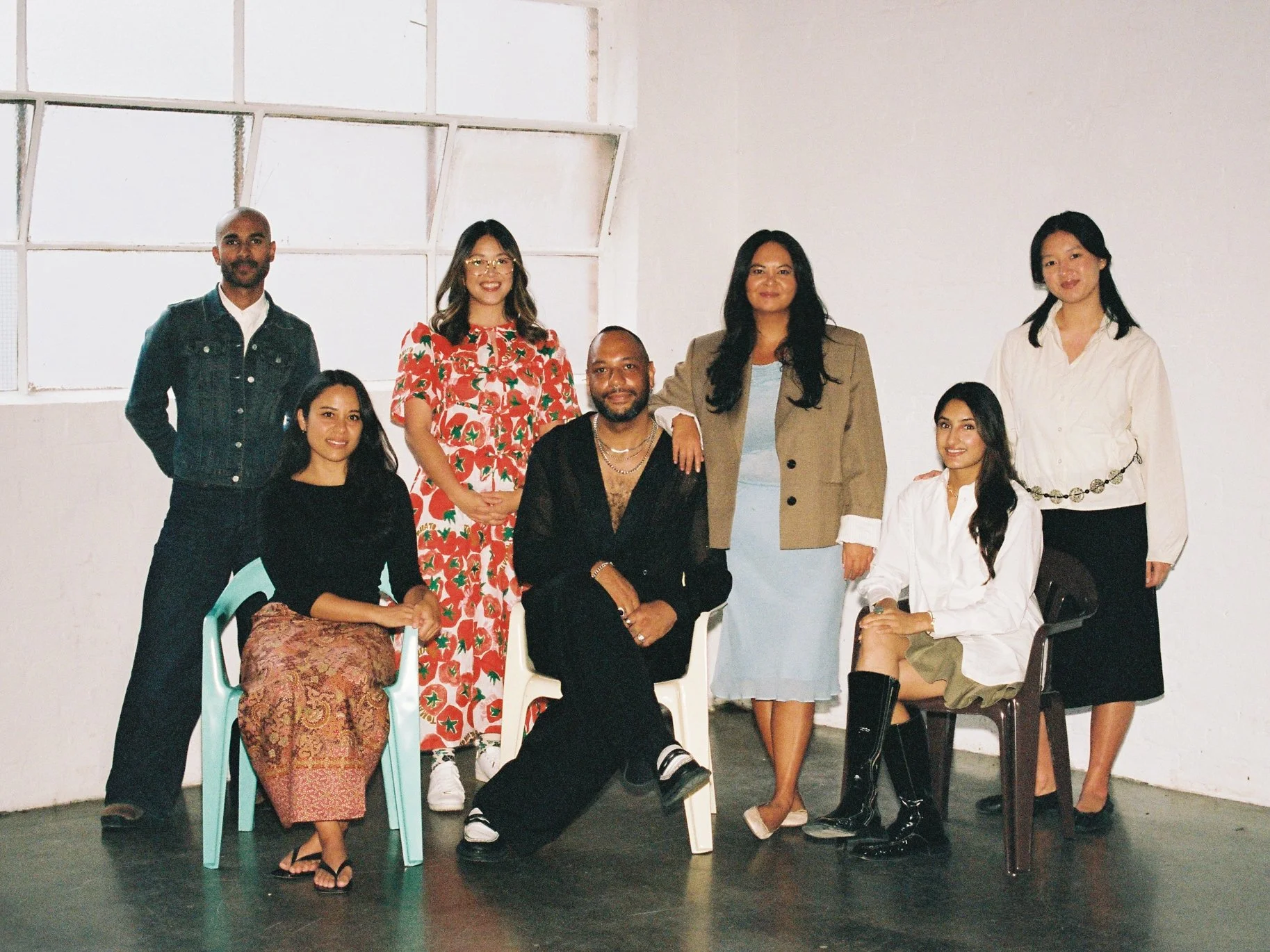
Photography: Leo Cherry
‘Community’ is an easy word to throw around. Building one is another story entirely. It takes vulnerability, generosity and showing up for one another. Following Show & Tell, Melbourne, Pauline Morrissey shares how an evening of honest storytelling, creative expression and cultural pride brought these values to life.
I’ve attended more industry events than I can count throughout my career. Launches, networking nights, fancy dinners, rooms full of very ‘important’ people. Some are lovely. Others leave you socially exhausted, with little to show for the effort beyond a few nice photographs and the fleeting dopamine hit of making it onto the guest list.
And I’m telling you now, not one of them has ever felt as special, as sentimental or, dare I say, as sacred as nights like last night.
Yes, thanks to our wonderful photographer, Leo Cherry, we have beautiful photographs to prove it happened. But what we took home from Show & Tell, Melbourne, was worth far more than that.
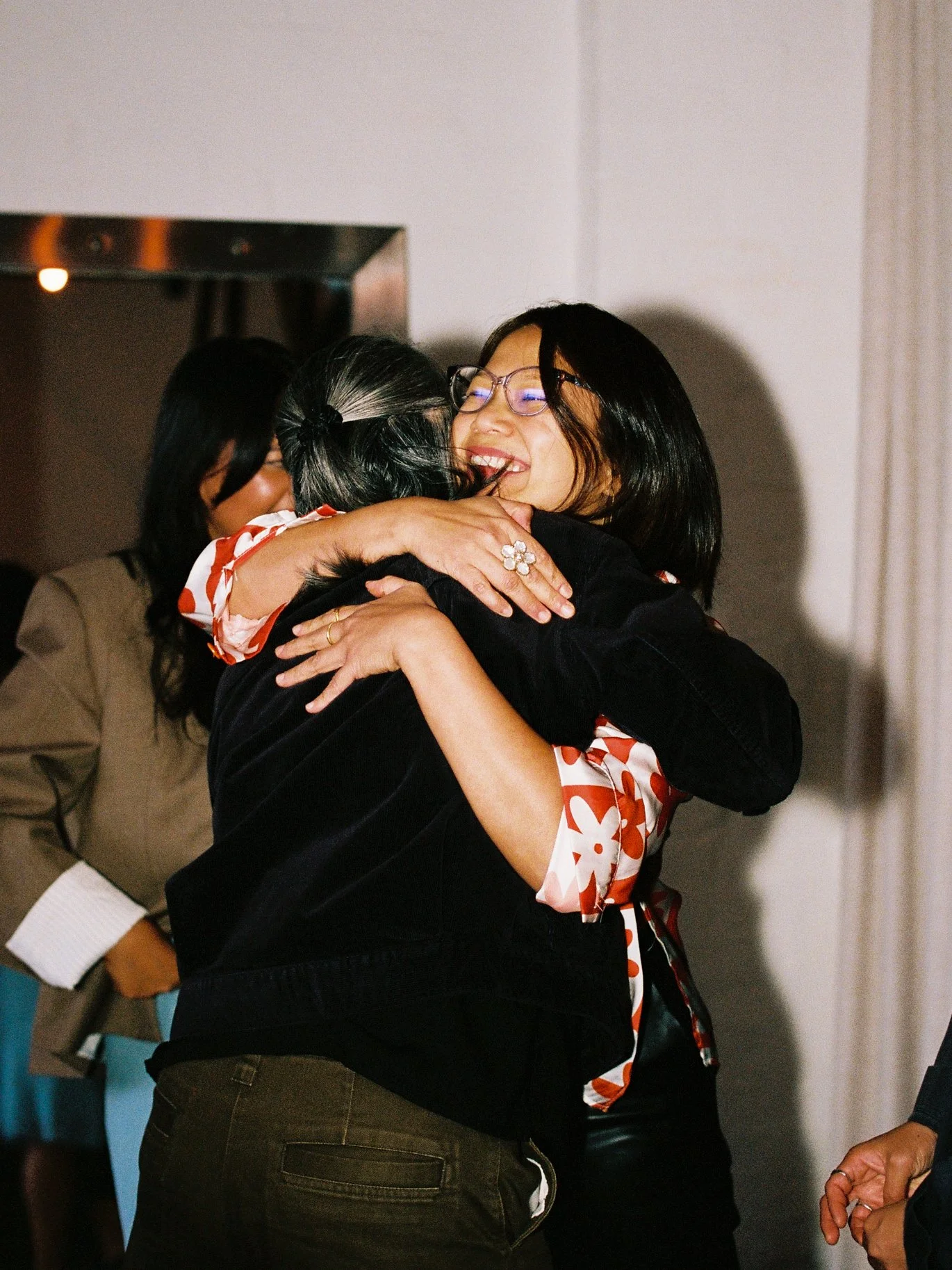
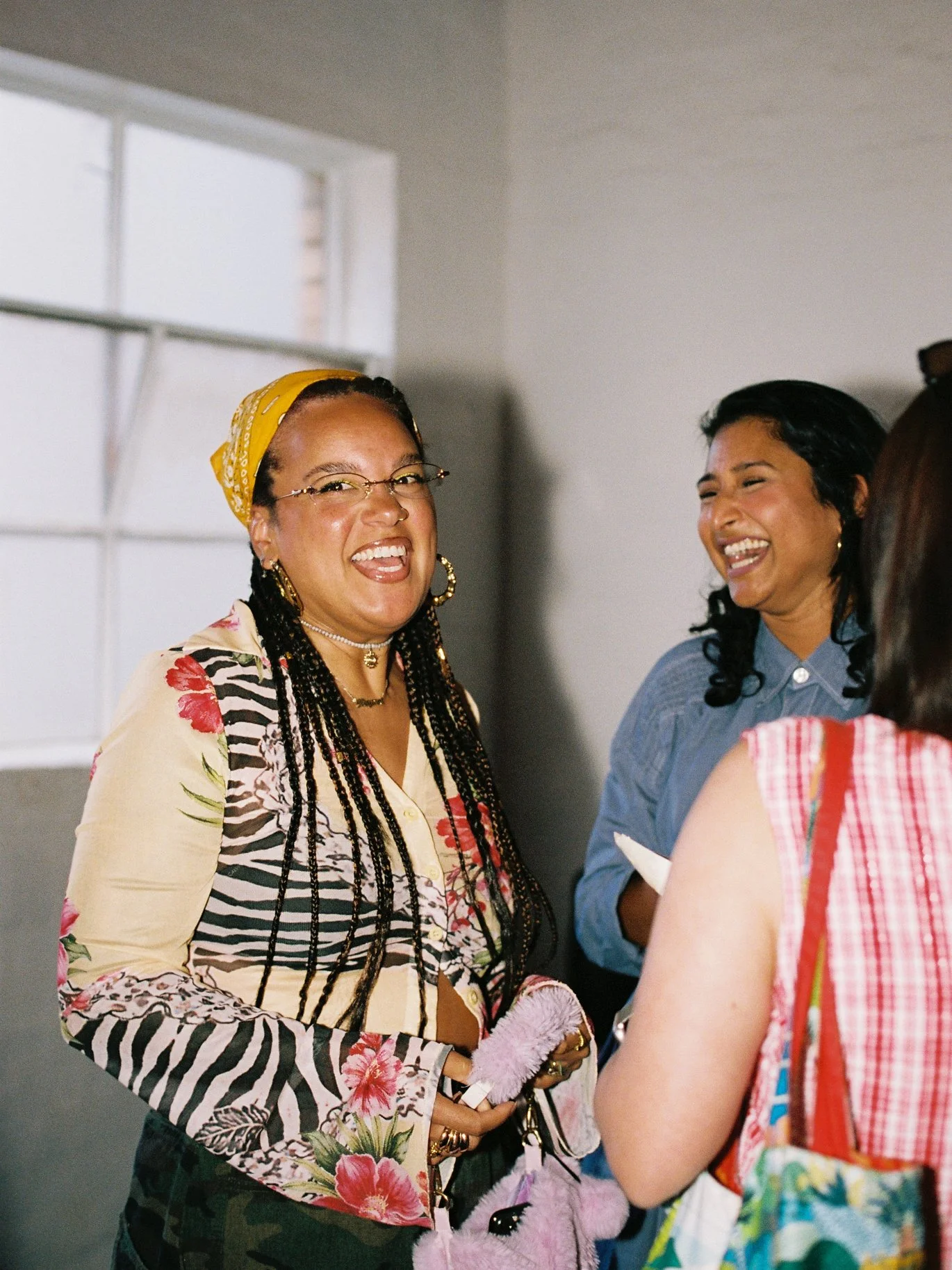
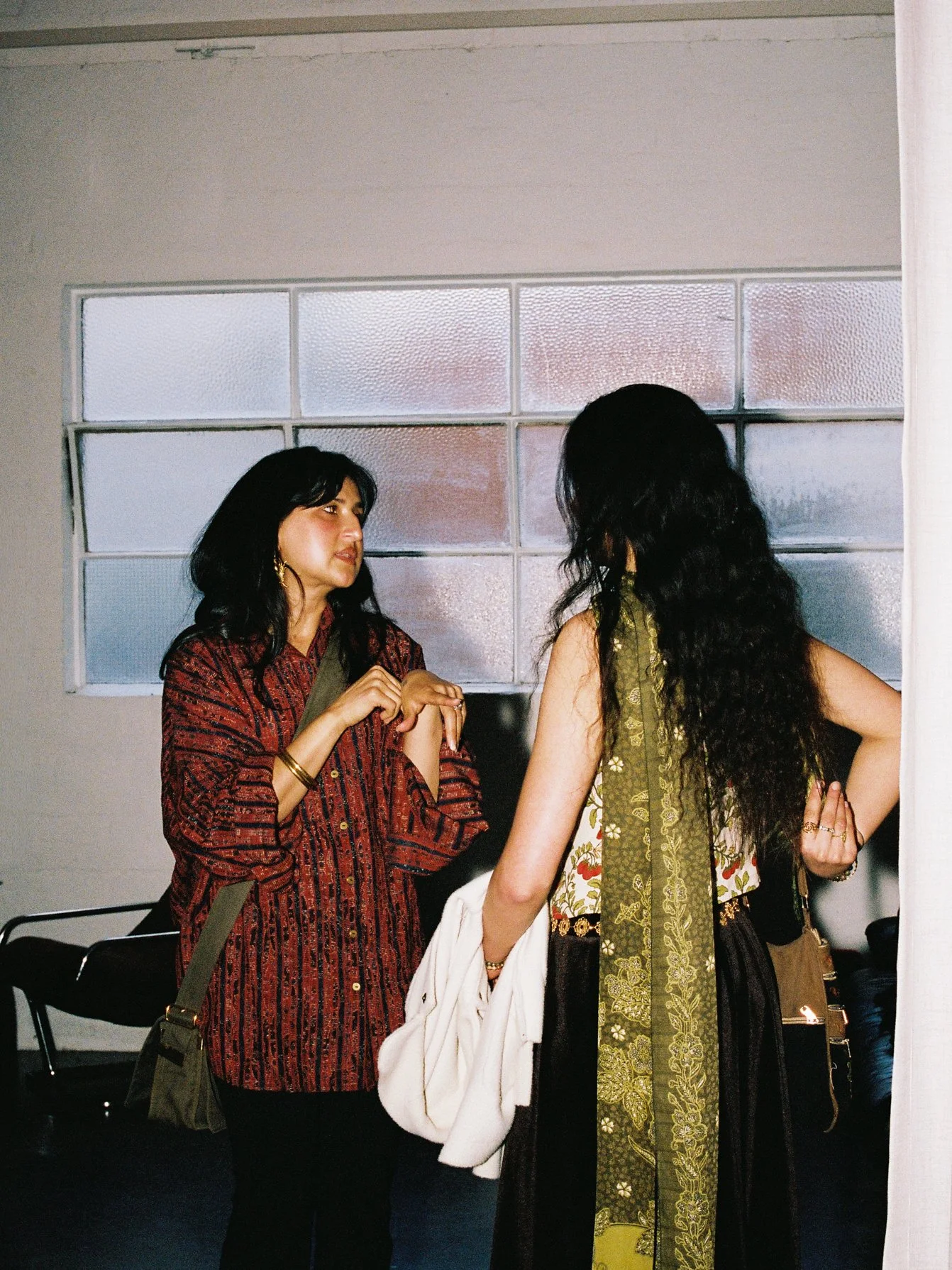
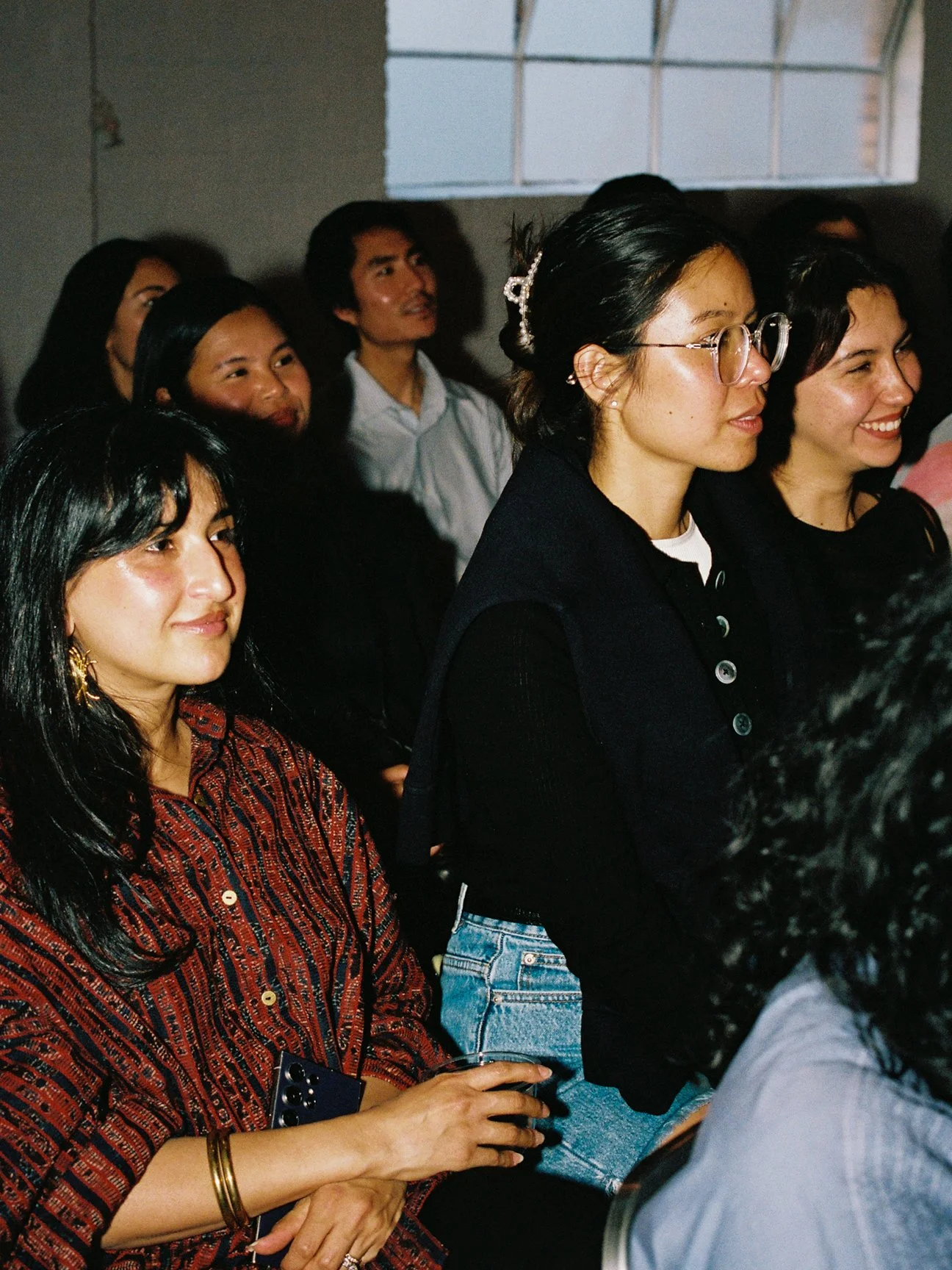
It’s difficult to explain the feeling of a room where people genuinely want to understand and celebrate one another. Where strangers become familiar faces, familiar faces bring new friends and nobody needs an impressive job title to earn a conversation.
If you’ve been following MADE IN KIN from afar, wondering whether to come along, I really hope you do. Especially if you’ve been looking for your people, or wanting to feel part of a community but haven’t quite known where to begin. Come by yourself. Come feeling nervous. Come without knowing a soul.
I promise you’ll leave with your cup much fuller.
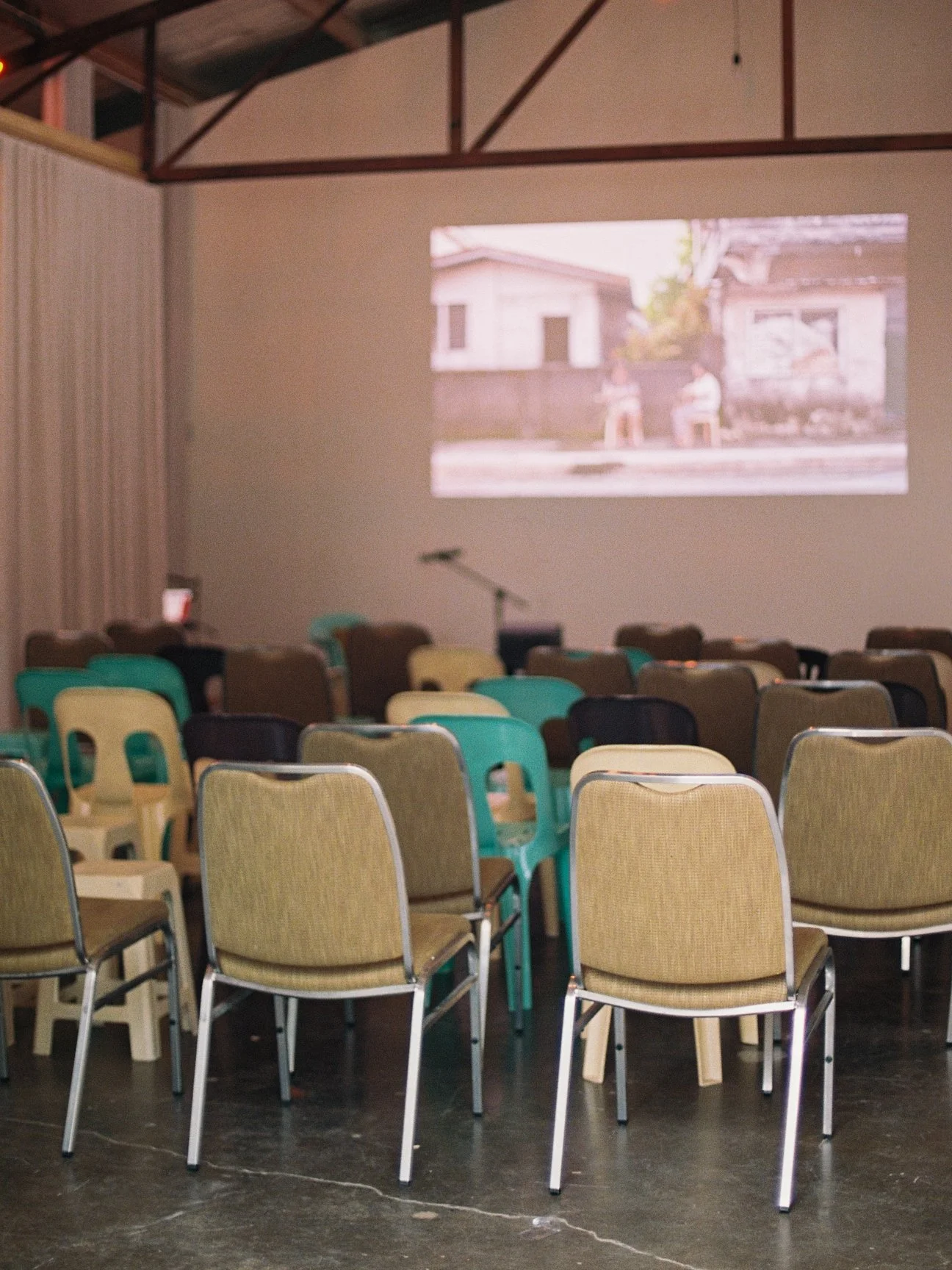
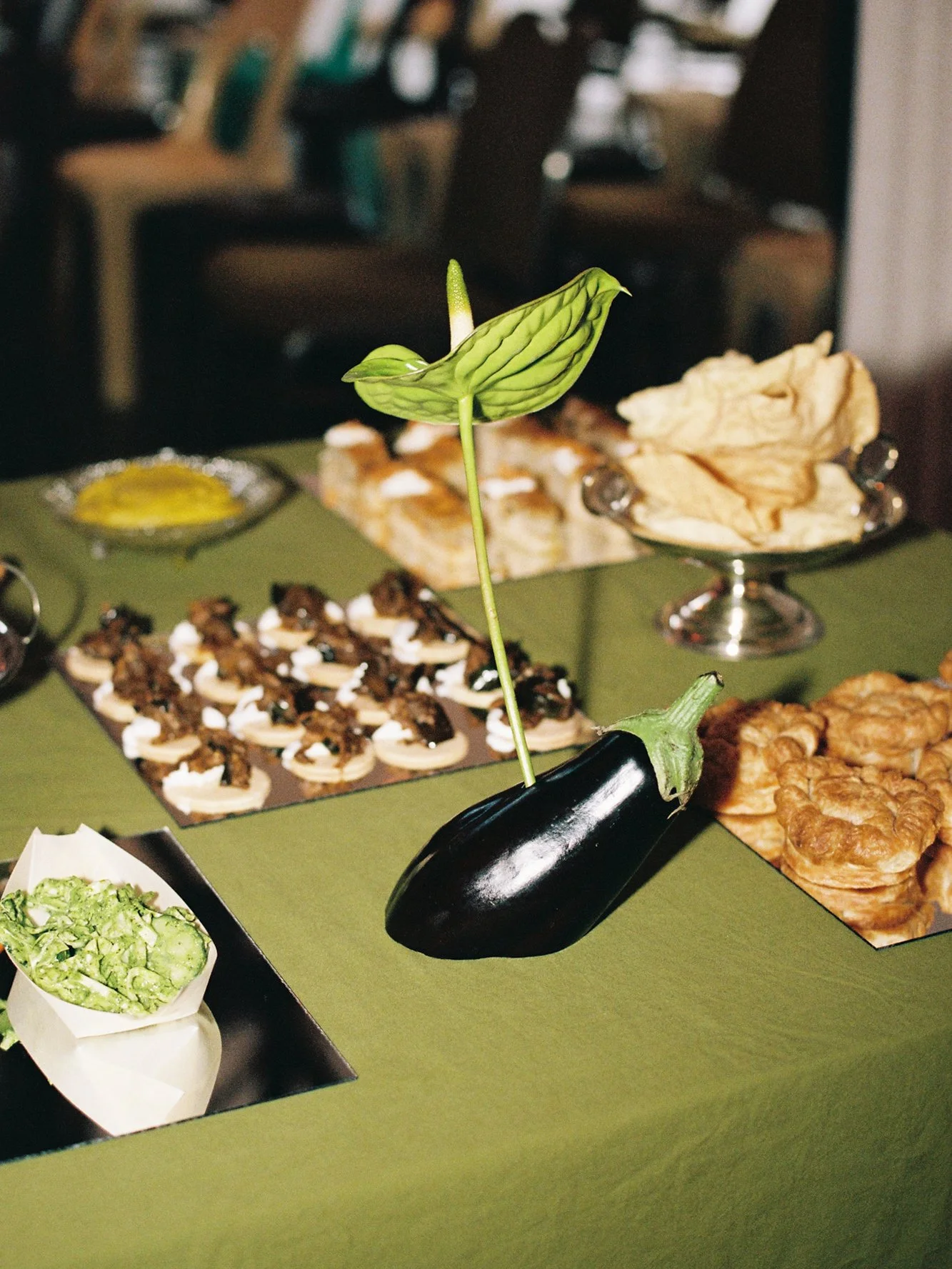
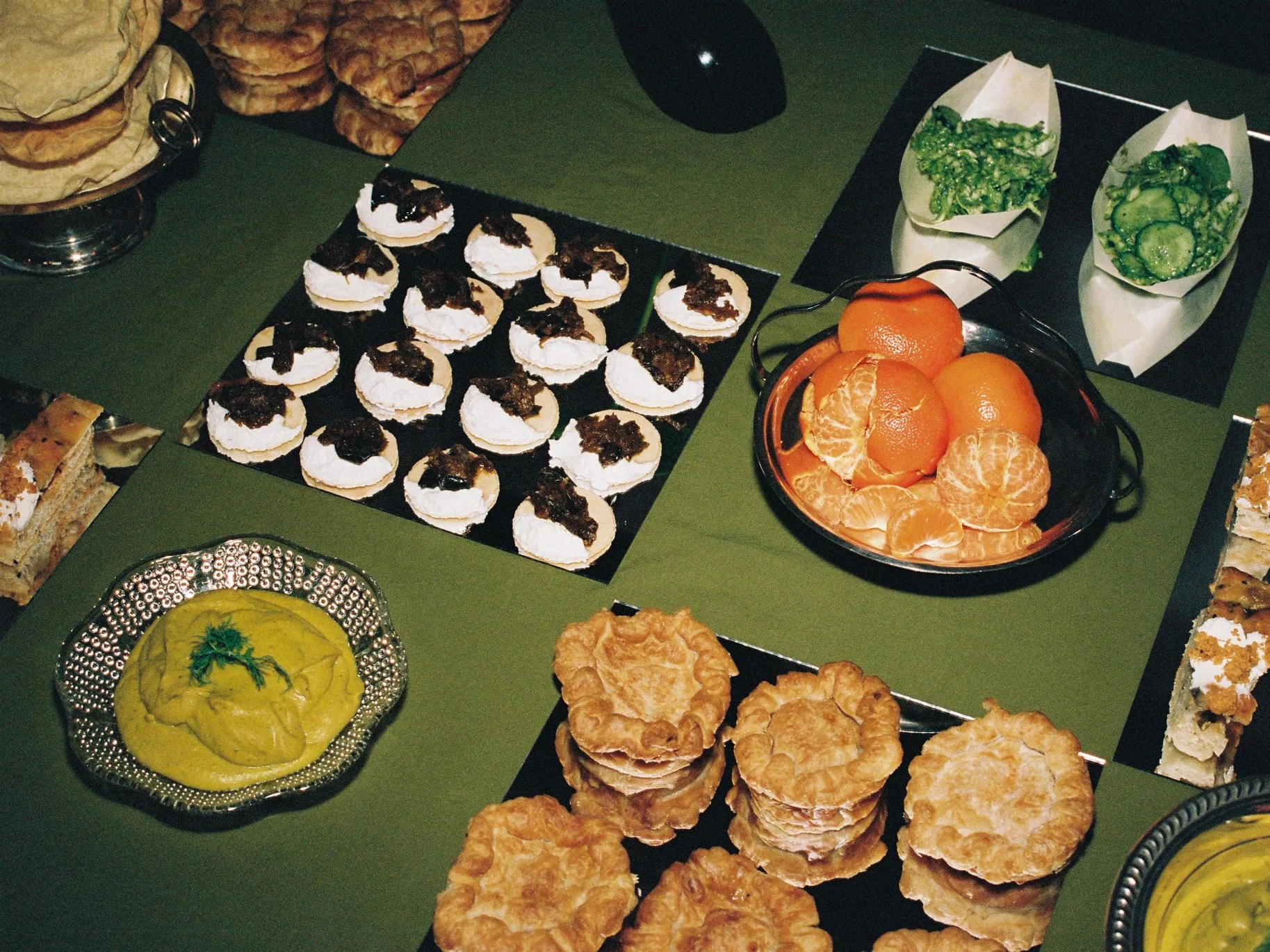
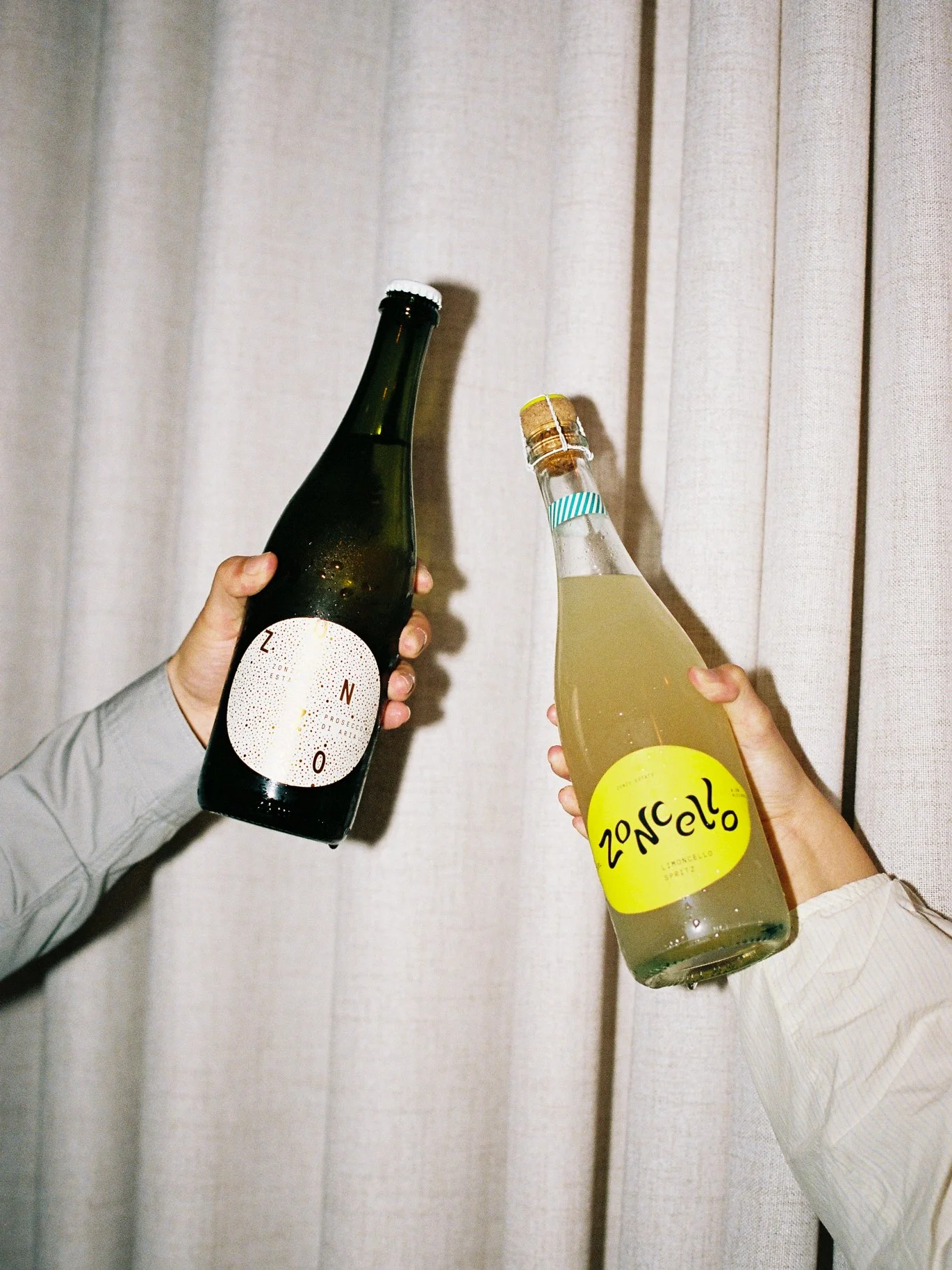
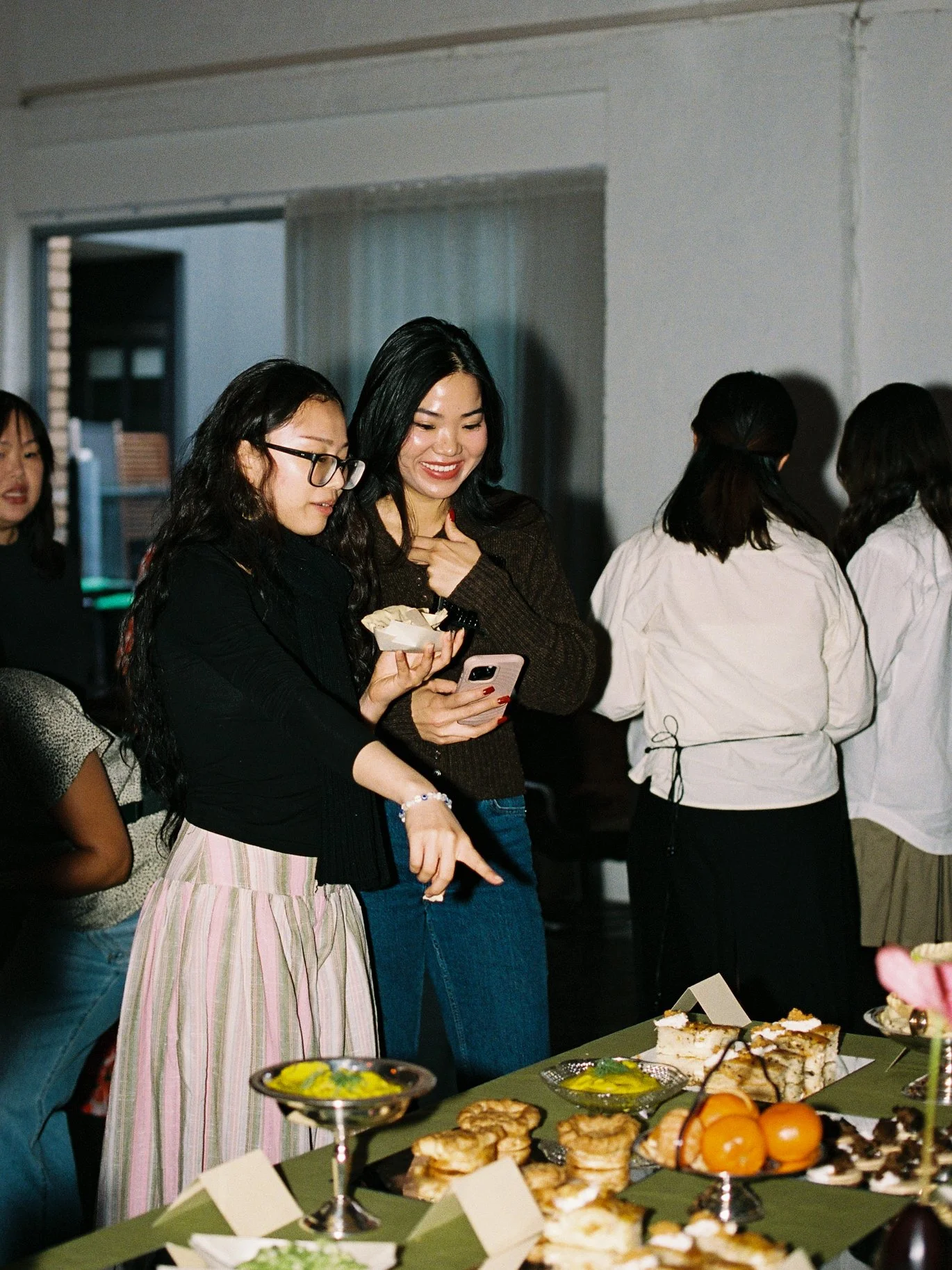
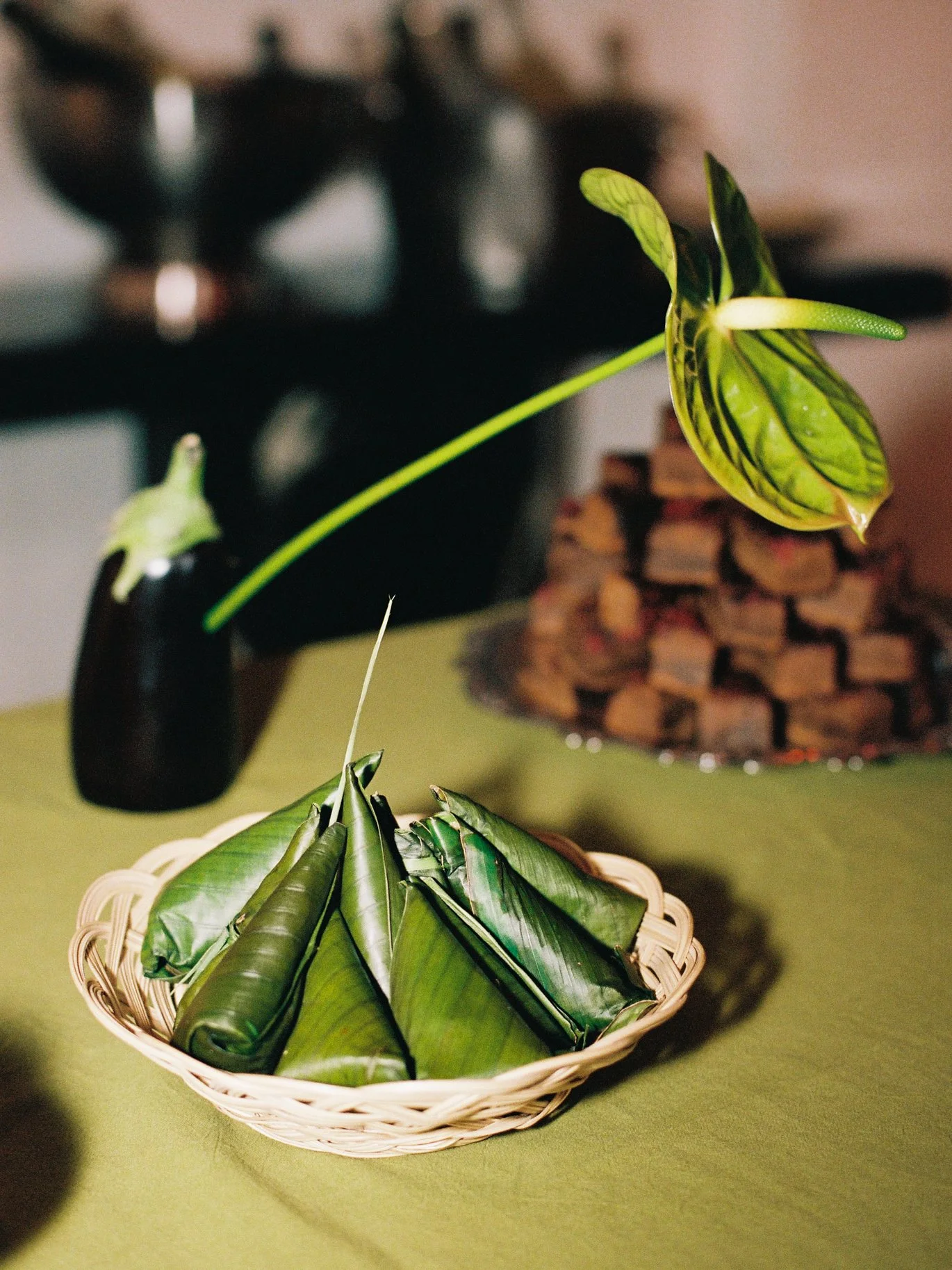
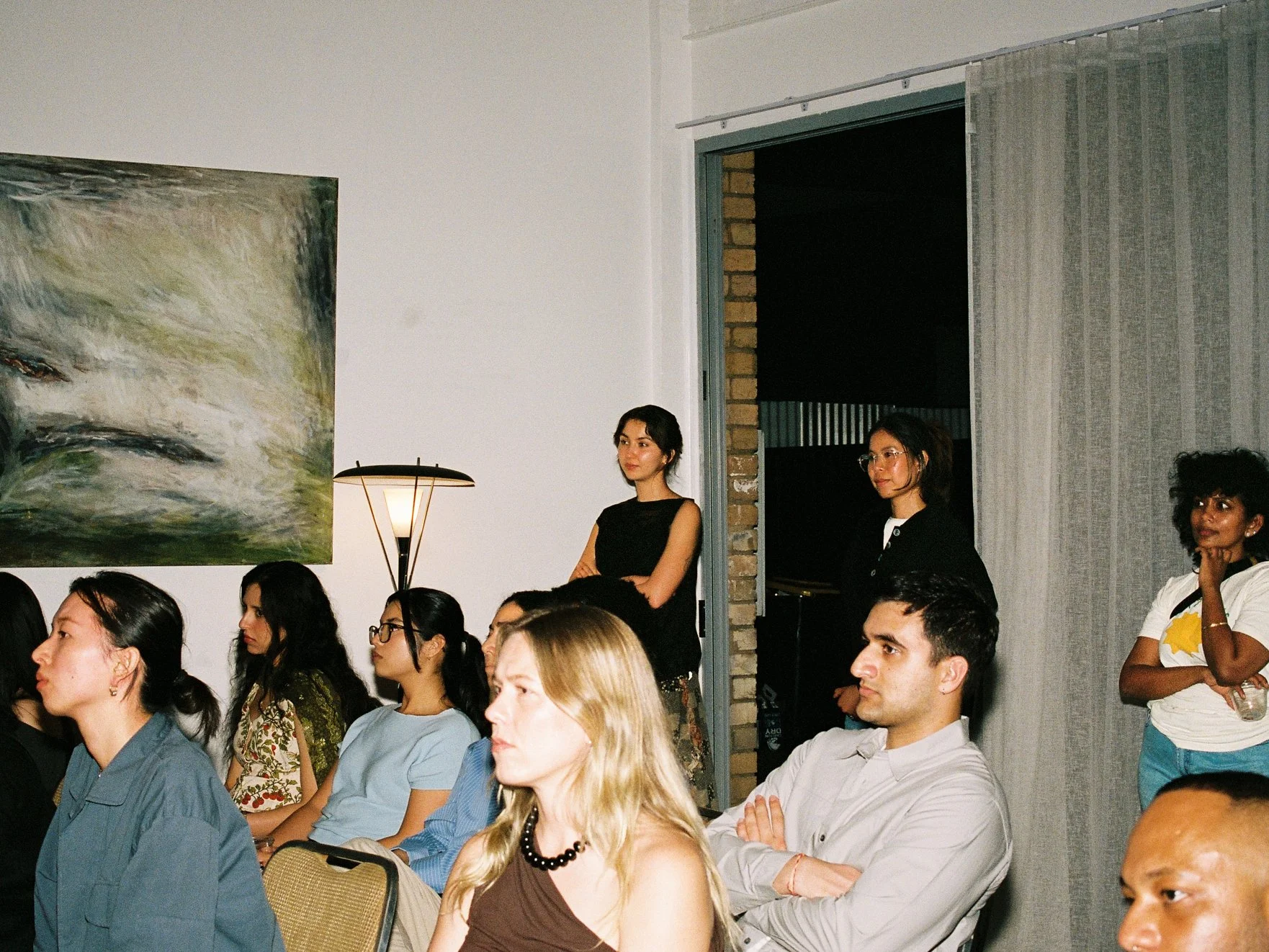
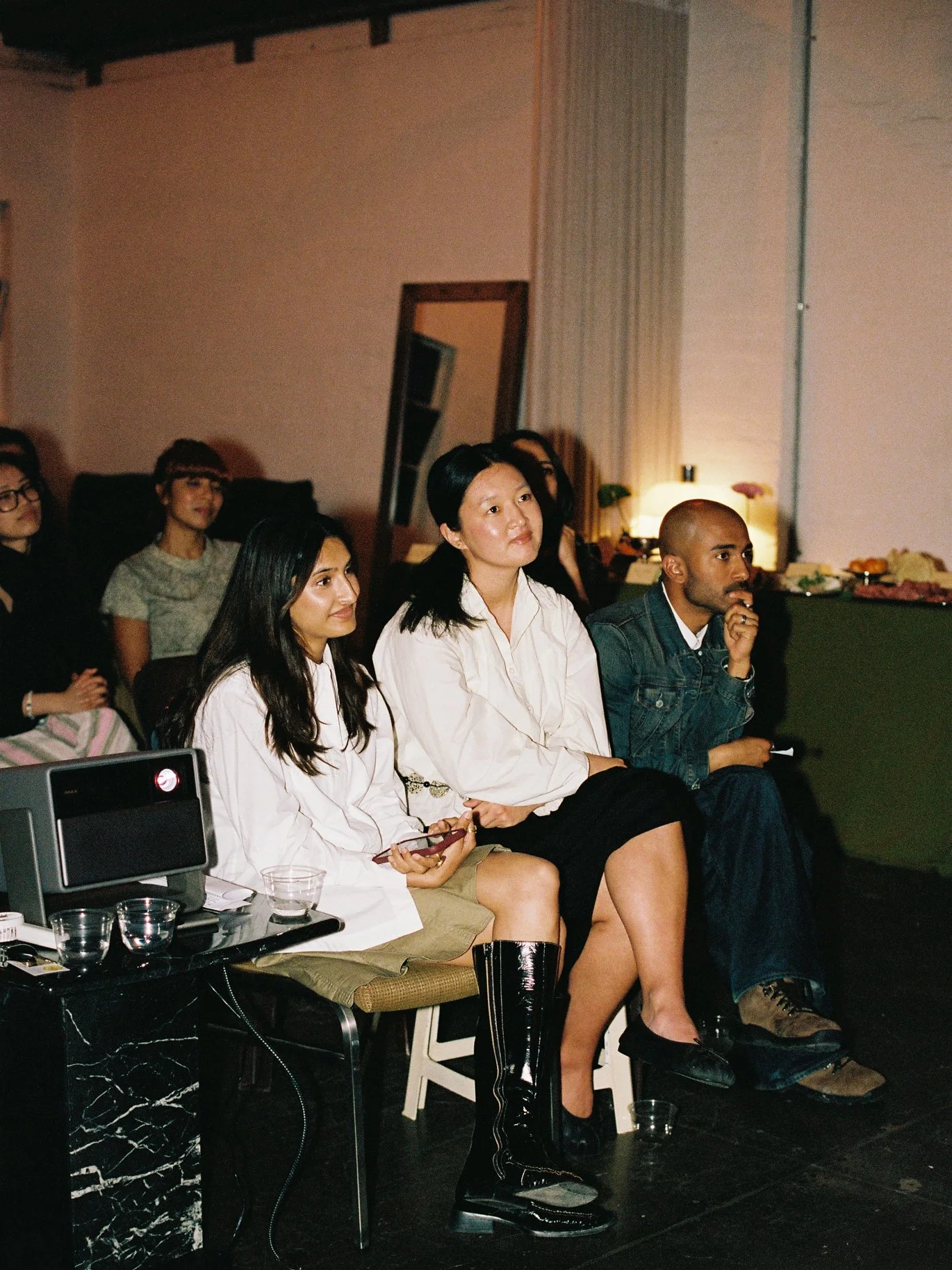
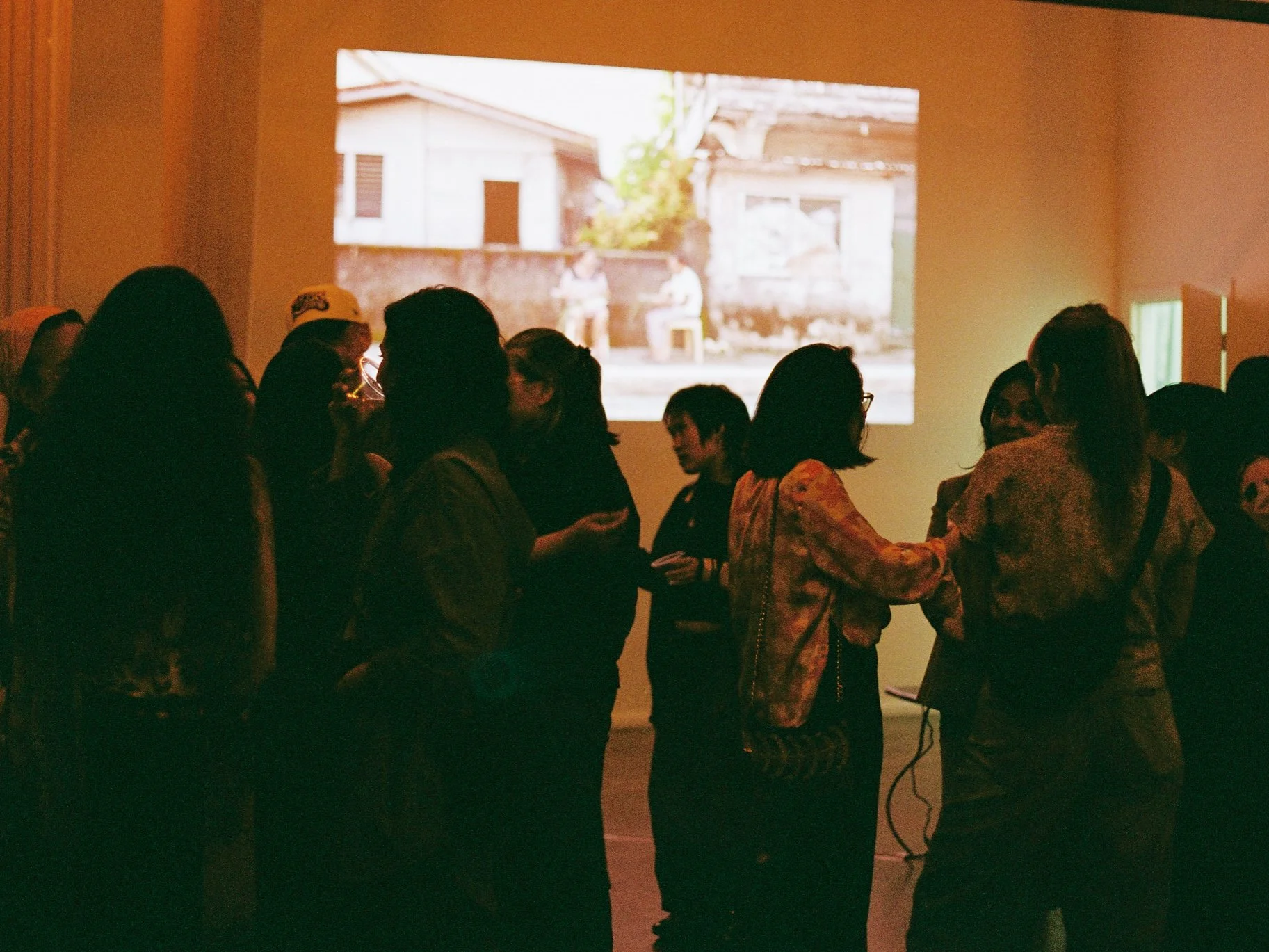
Last night, we took over RUMA Studio in Brunswick for our second edition of Show & Tell. Seven creatives, six presentations and a room full of people who’d come to hear them out. Chairs were lined up, the grazing table was dressed with Sri Lankan bites by Lankan Tucker and everything was ready for our guests.
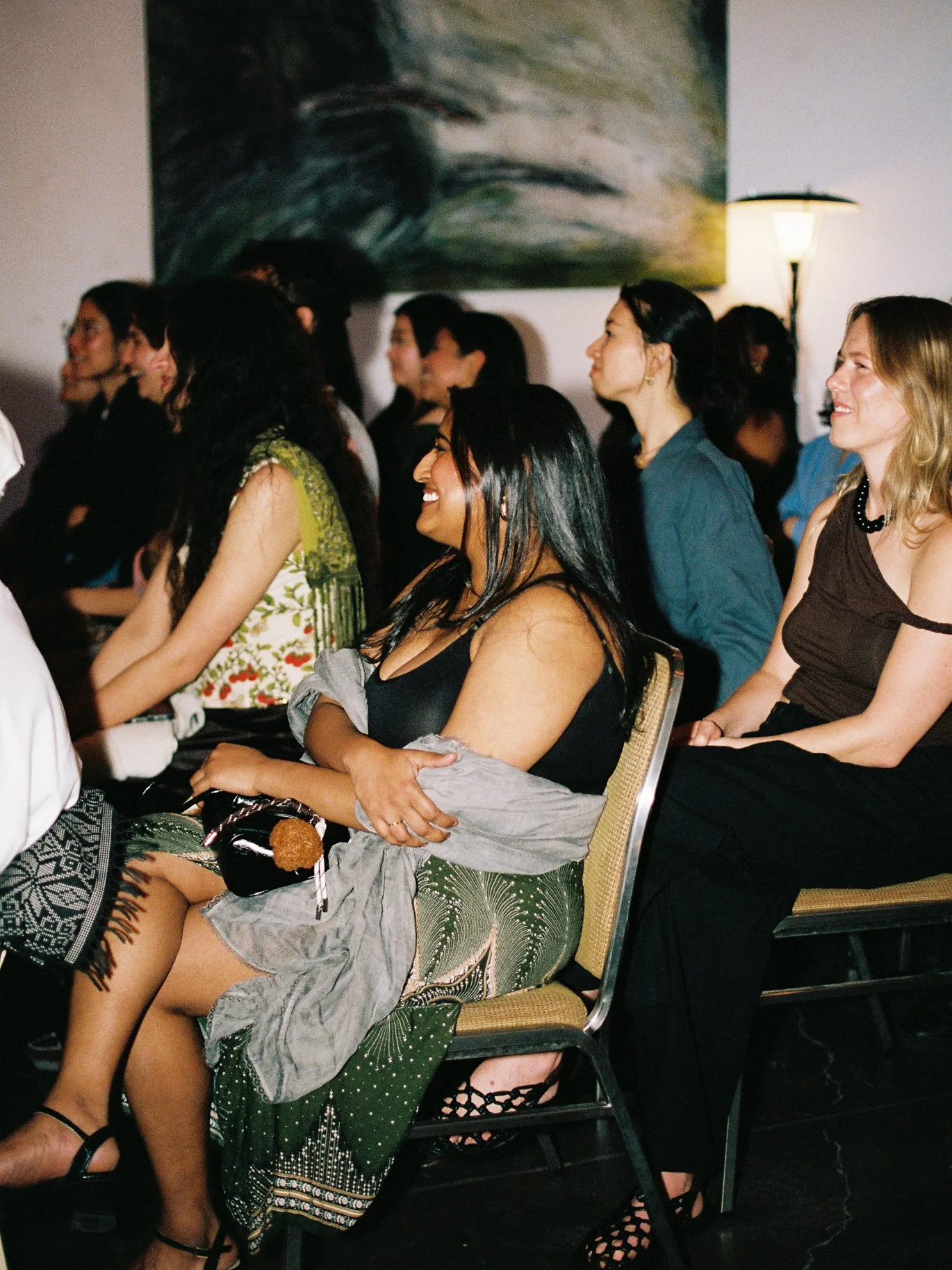
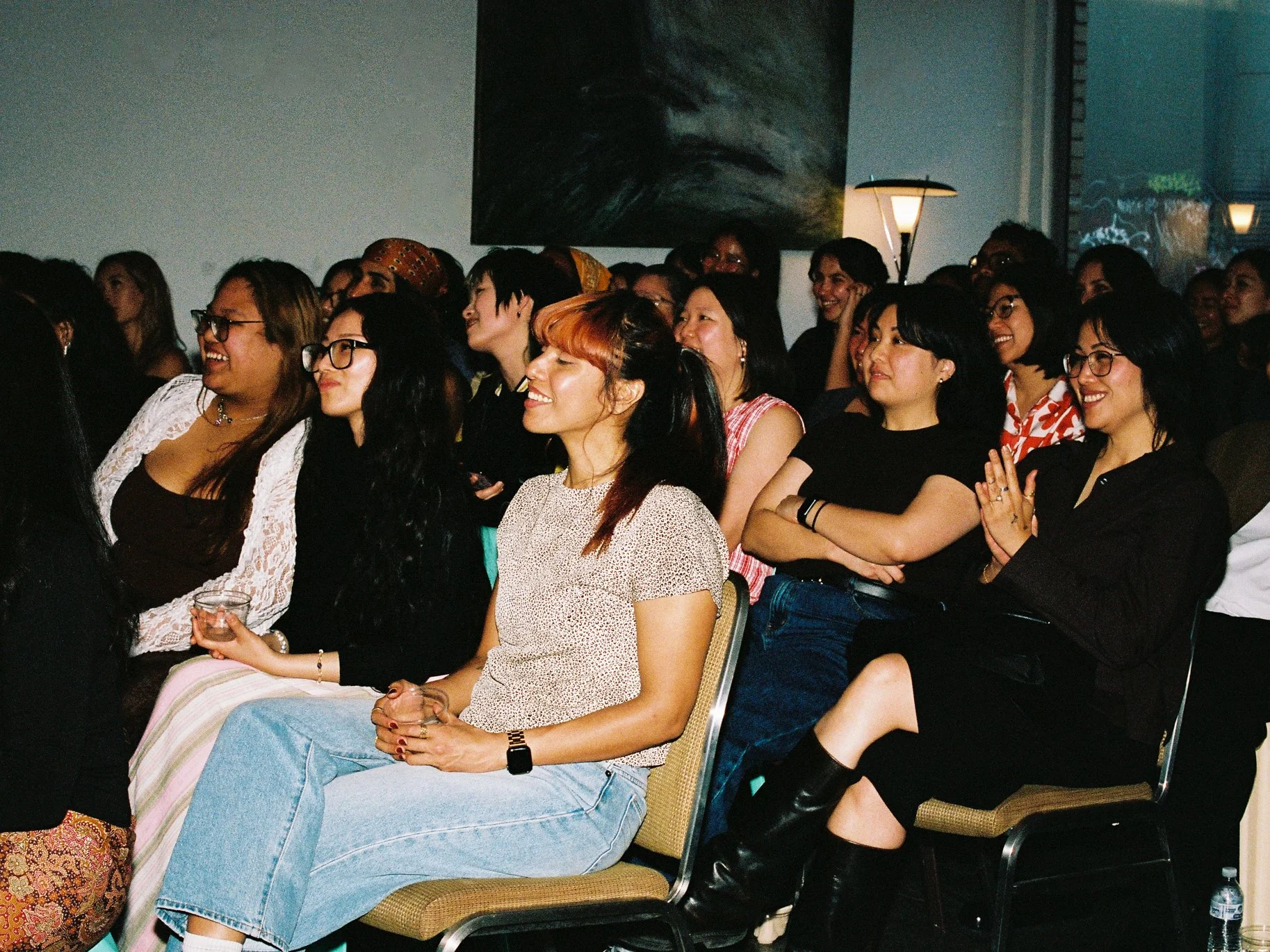
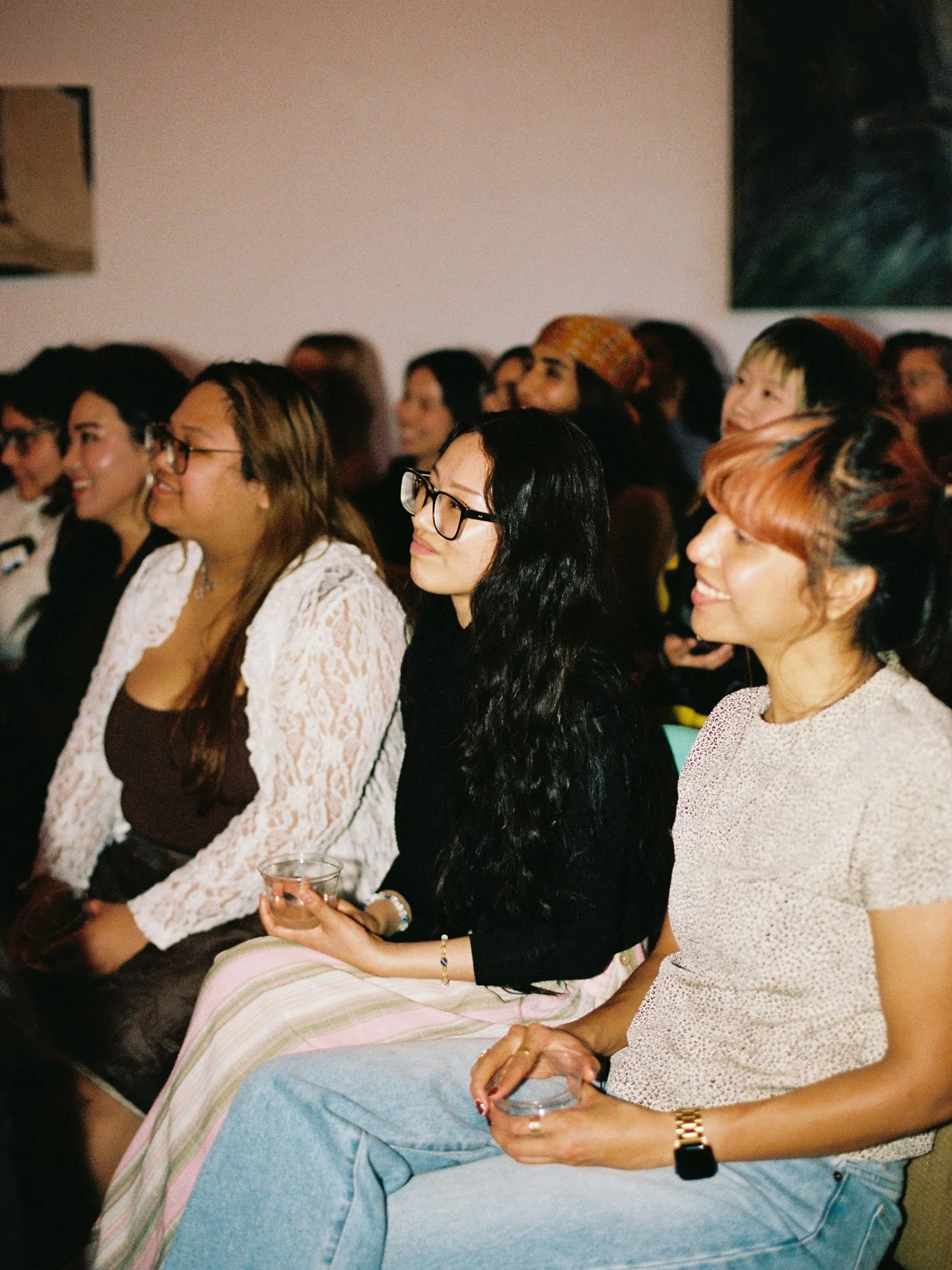
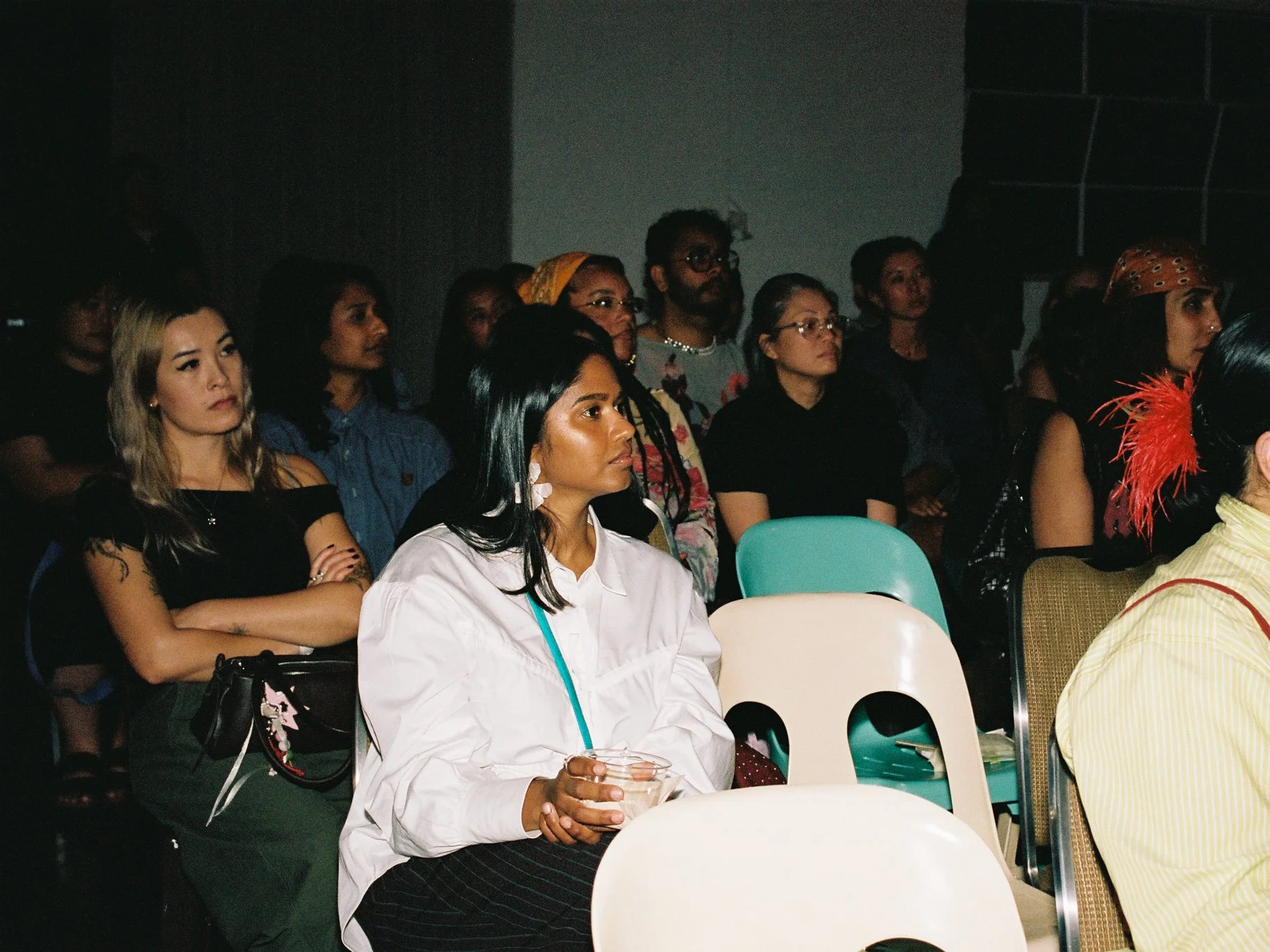
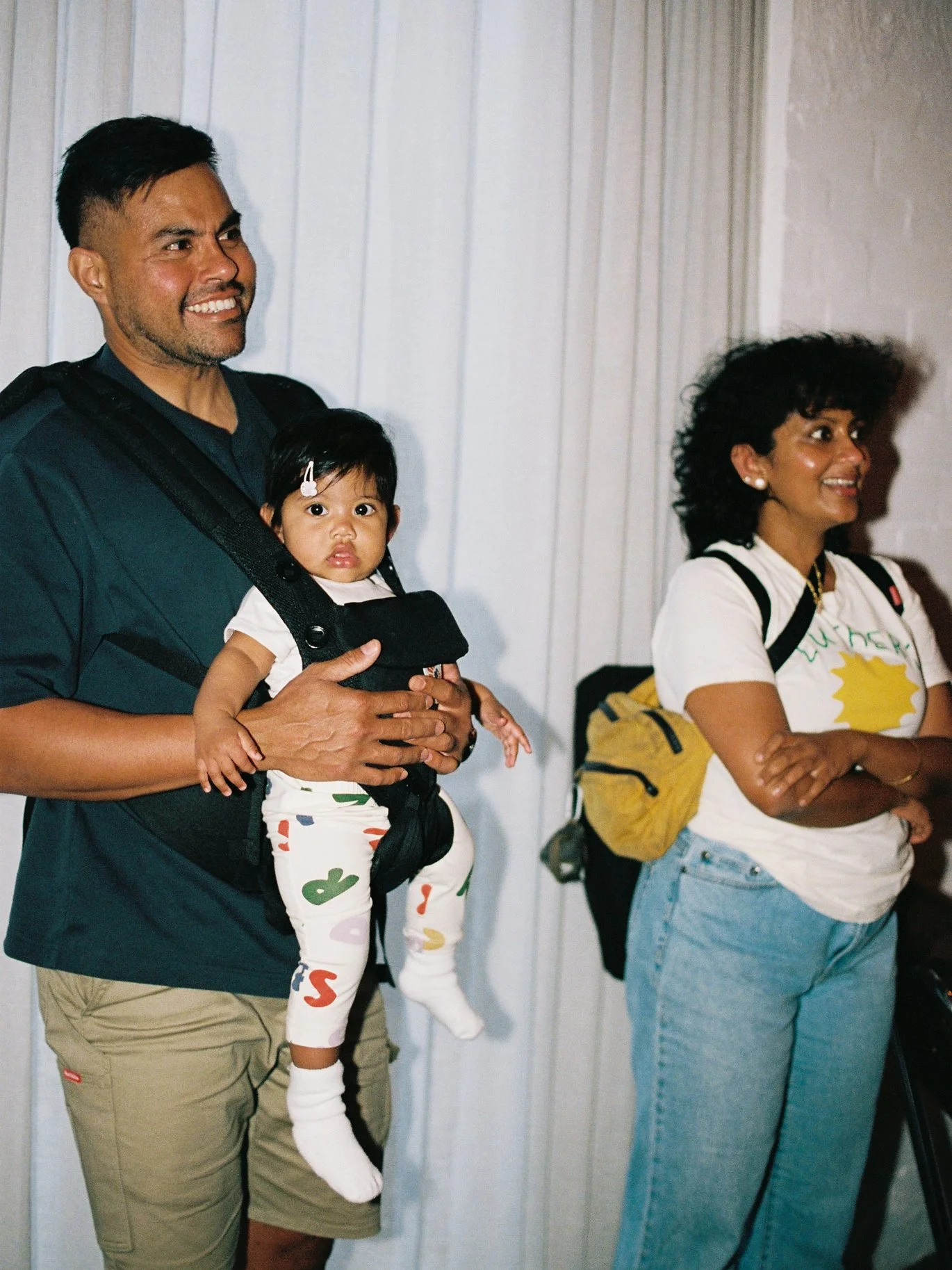
I thought about the effort involved in simply showing up. The train trips, traffic, parking nightmares, babysitters and social anxieties. One couple even brought their nine-month-old, determined not to miss out. Everyone had made an effort to be there. And everyone brought something to the evening, whether they realised it or not.
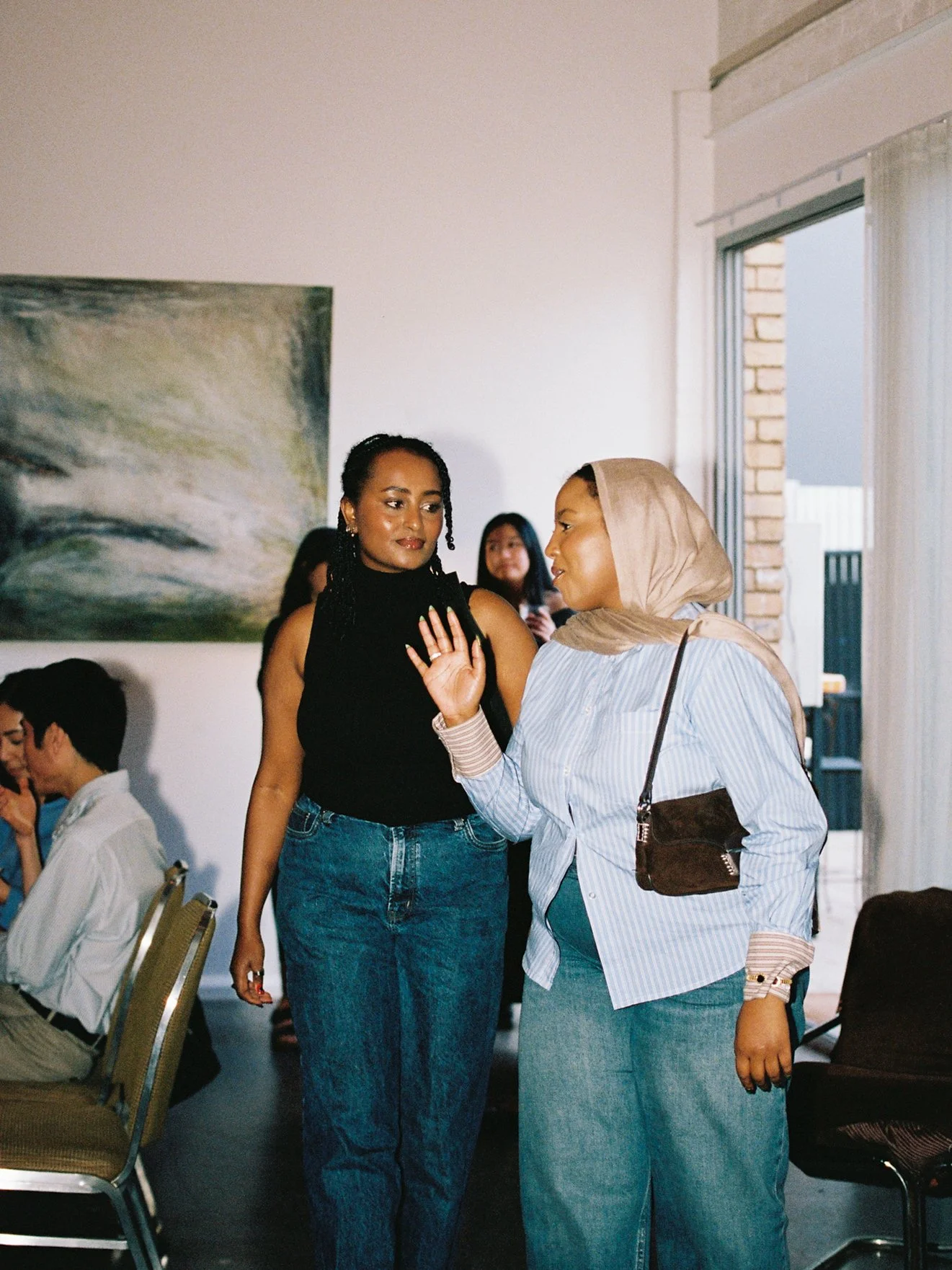
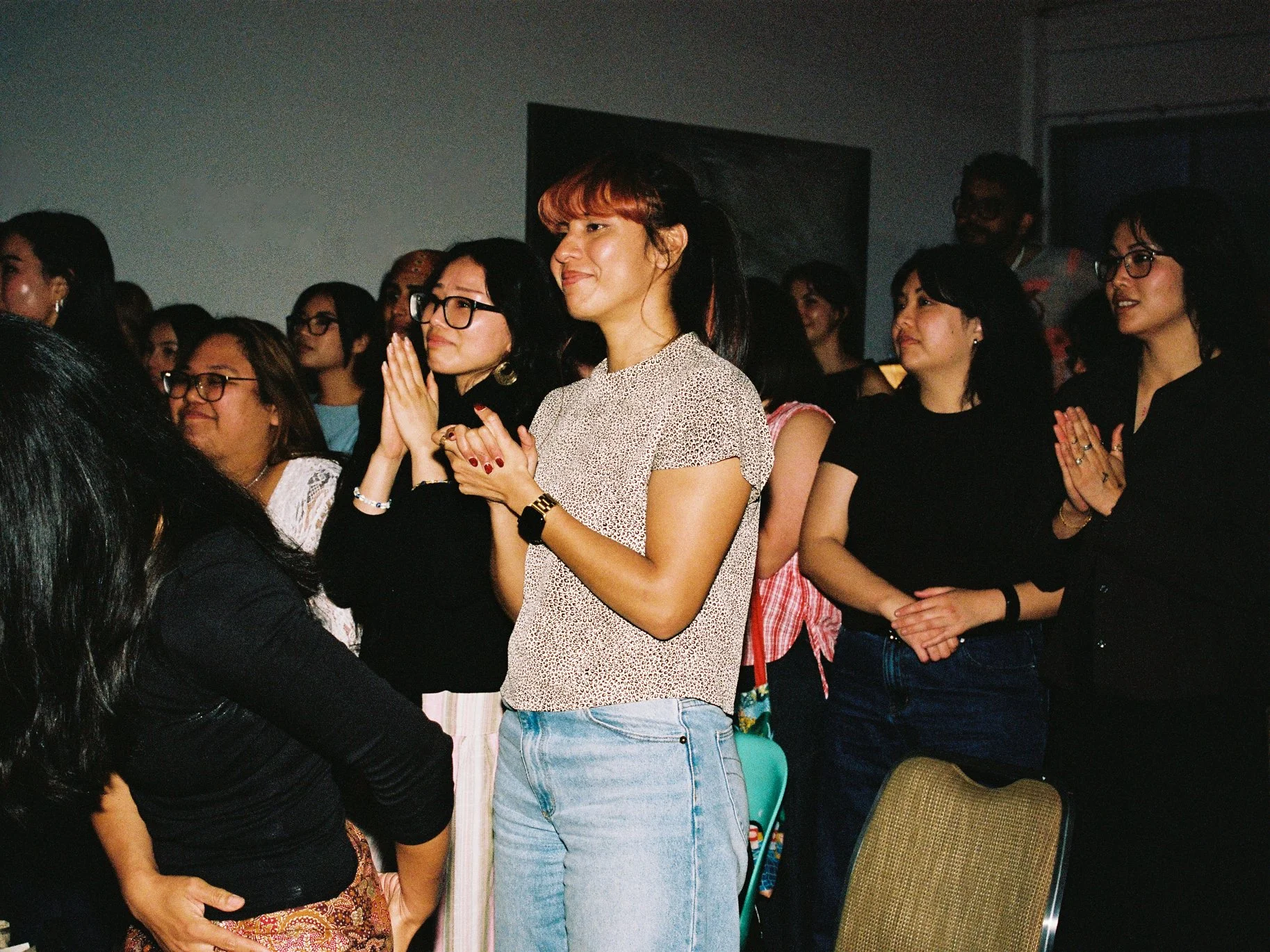
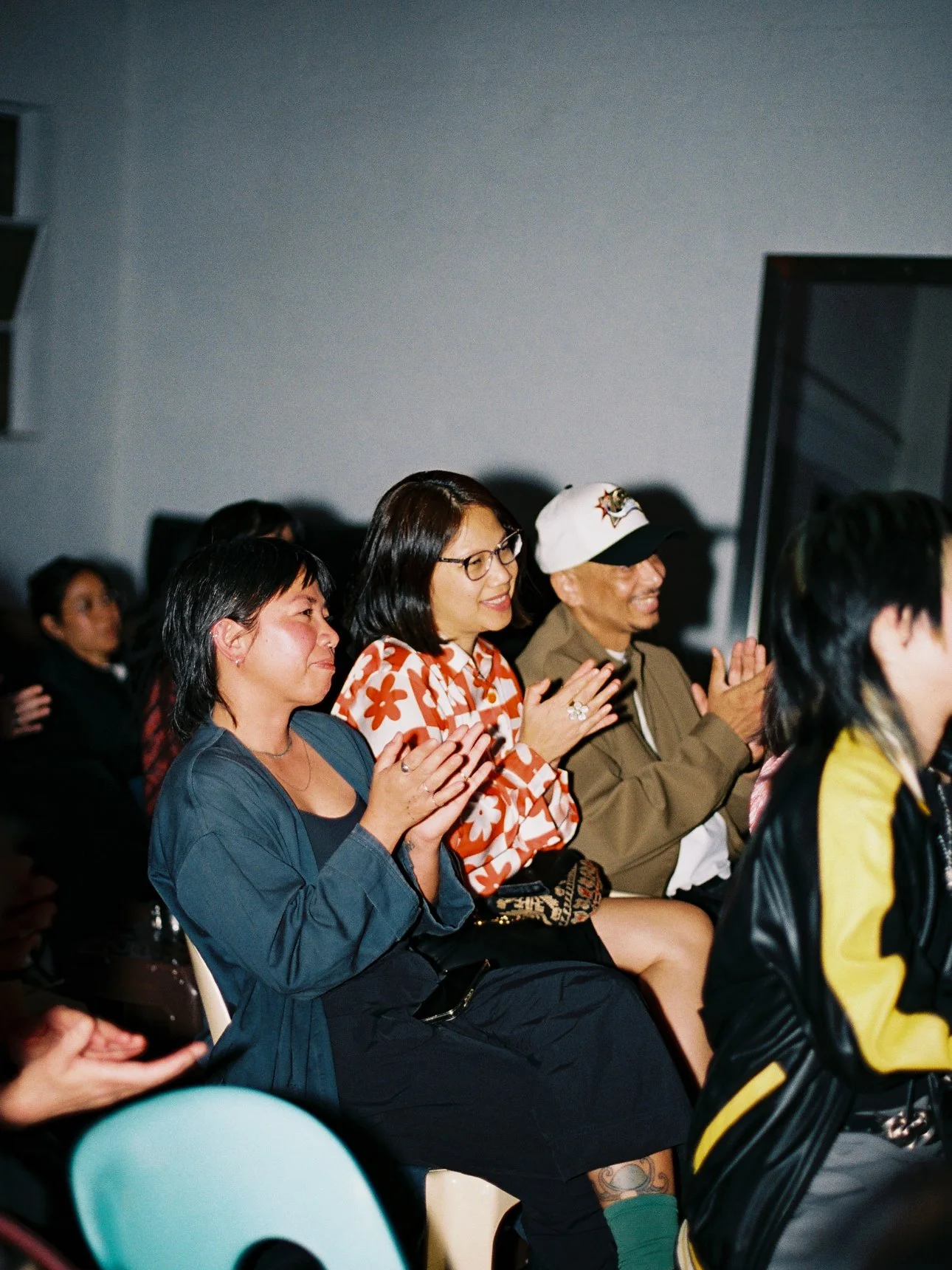
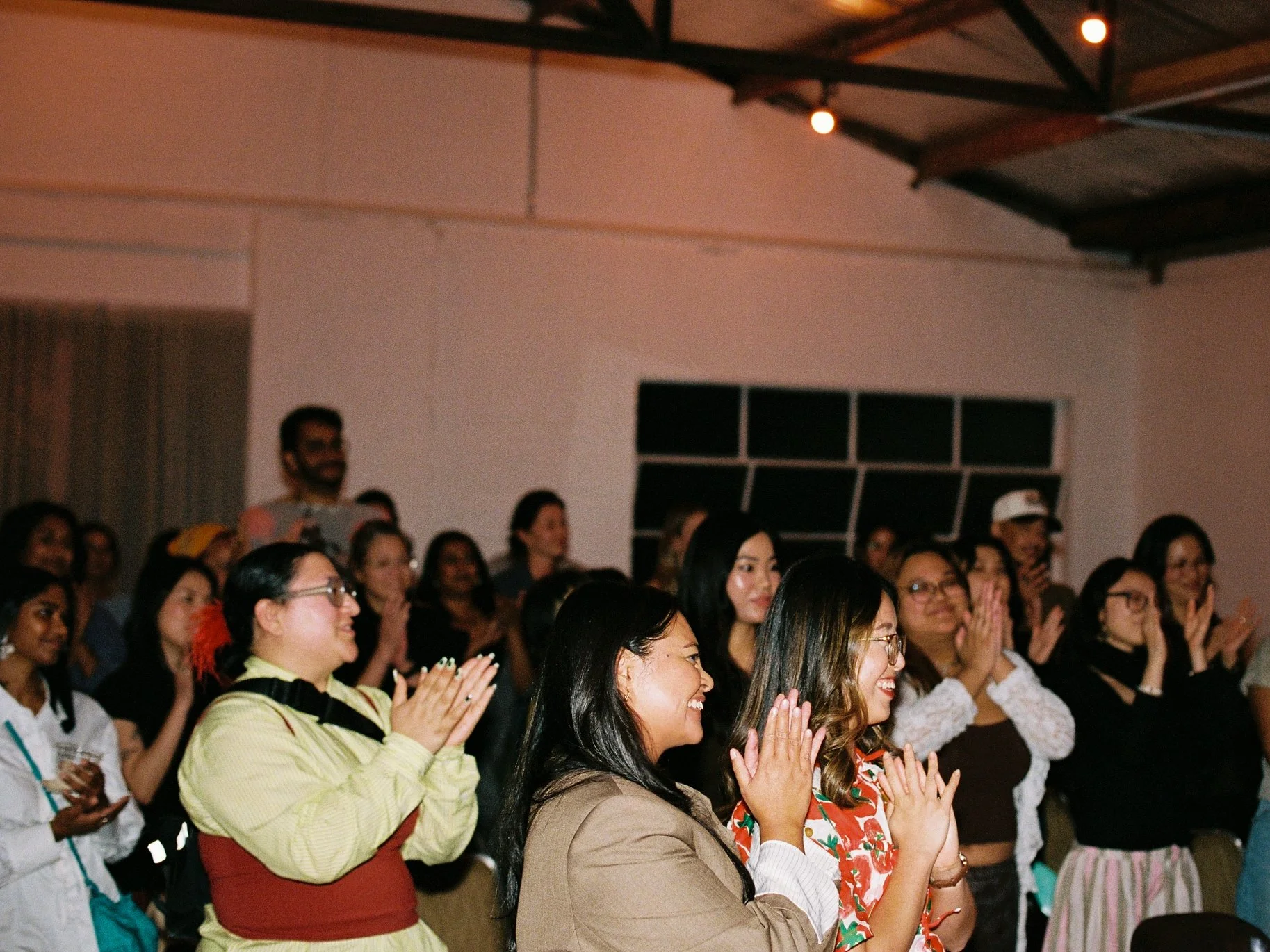
Commanding the room was Sebastian Pasinetti, whose warmth, wit and unmistakable love for his community made him the perfect host. He encouraged generosity, grace, applause and even standing ovations, not only for those brave enough to take the microphone, but for everyone who’d shown up to listen, learn and support.
As one of the presenters, I can tell you firsthand what a difference it makes to speak directly to your people. To know your story will be met with familiarity, your vulnerability with understanding and your work with genuine encouragement. You don’t have to explain why certain things matter quite so much. They already know.
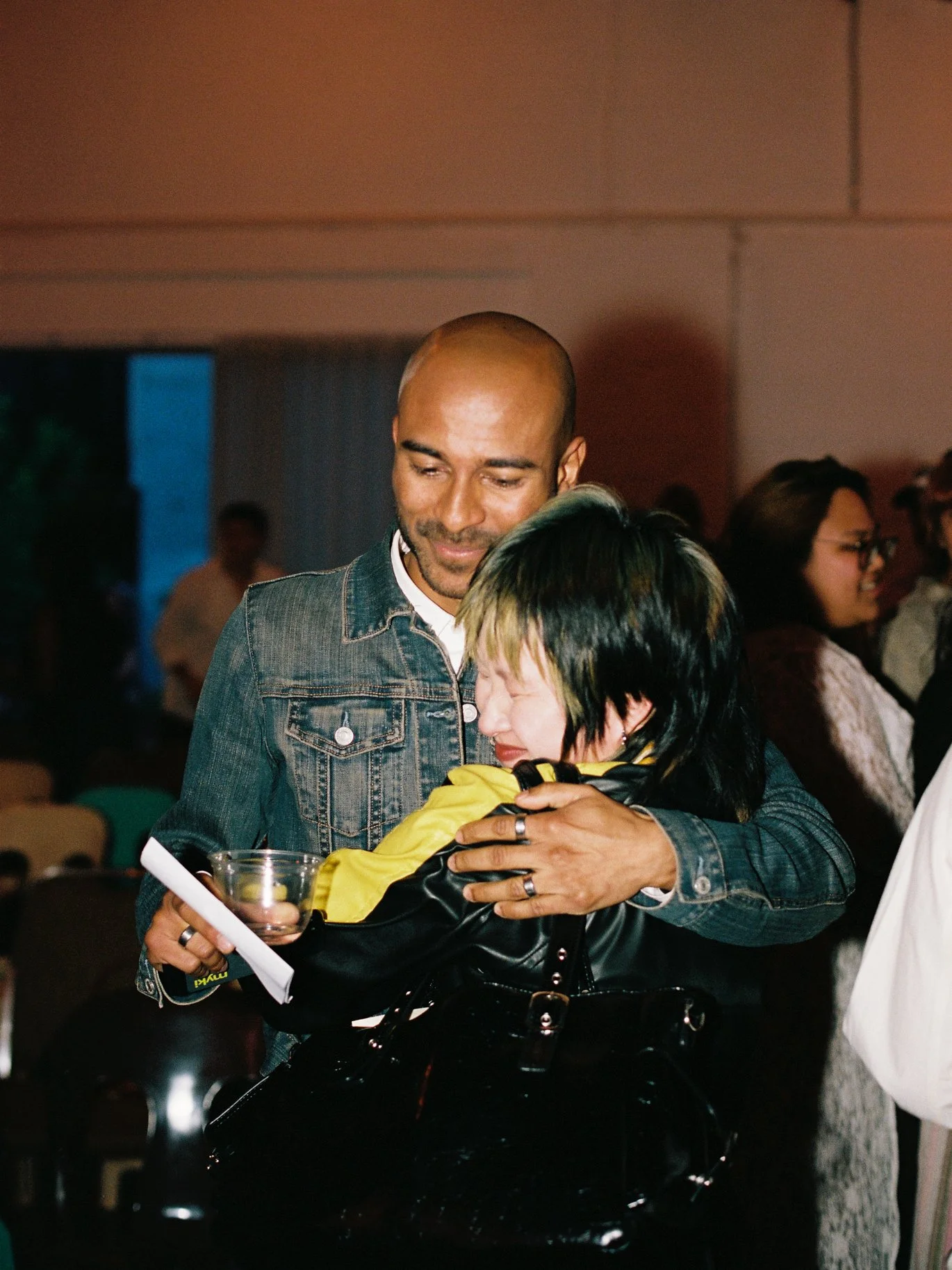
Without exaggeration, it felt less like an audience watching a series of presentations and more like one enormous group hug.
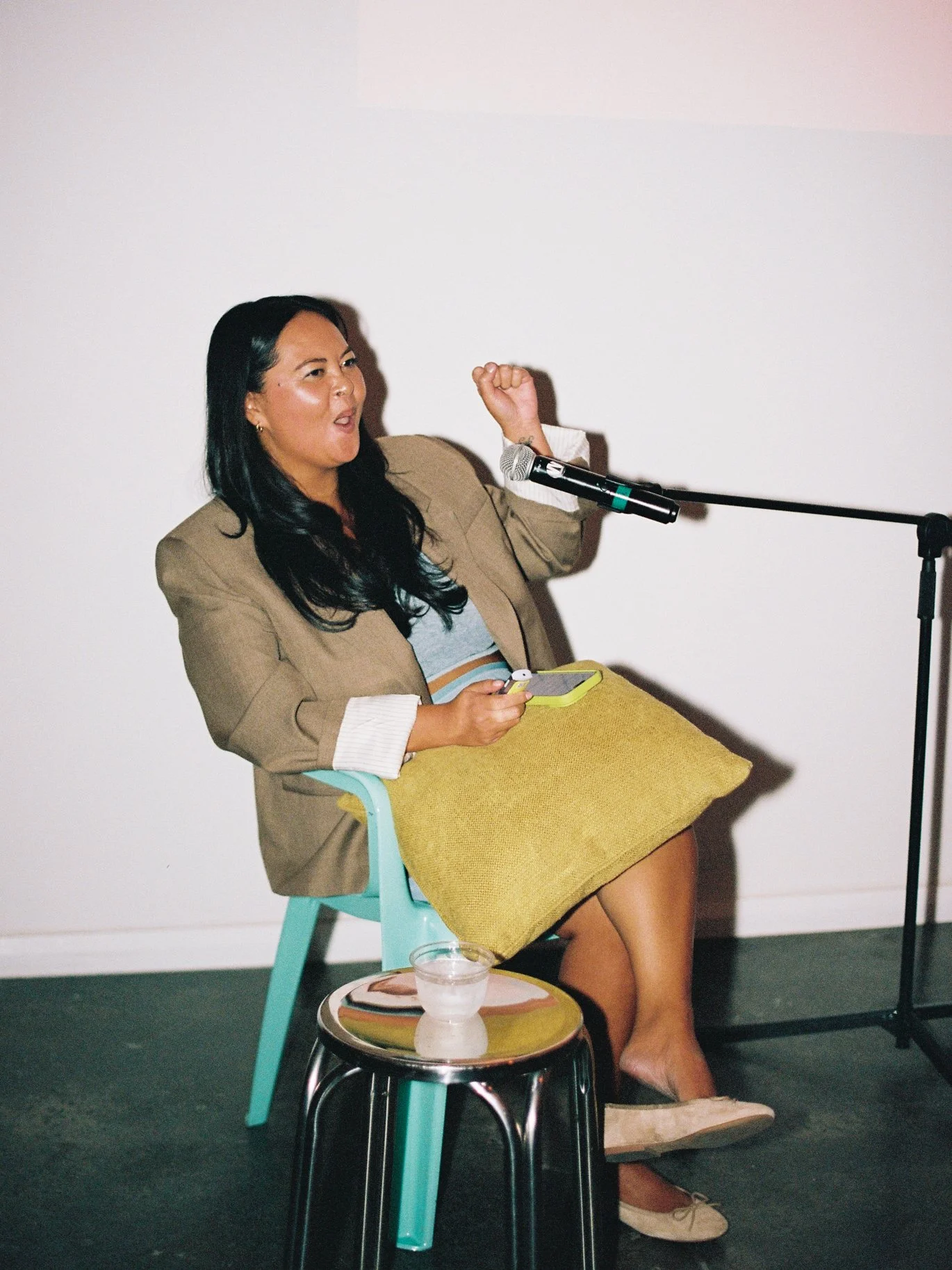
And that metaphorical hug was particularly welcome for our first presenter, who also happened to be the most nervous person in the line-up. Me.
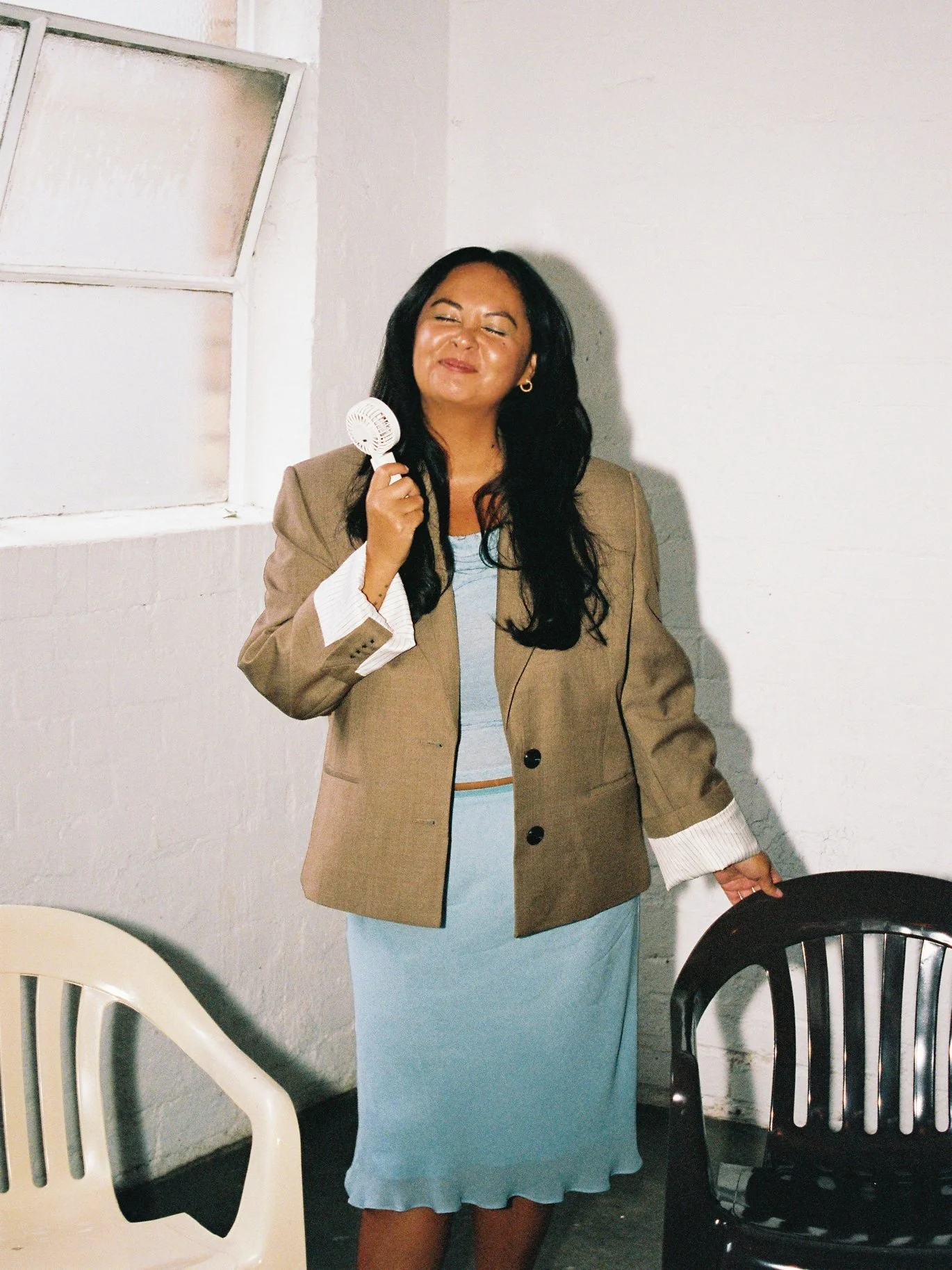
After months of encouraging others to speak proudly about their work, it was time to take my own advice. Hands shaking, heart racing, I told myself, ‘DO IT FOR THE CULTURE’, and off I went.
I took everyone back to a defining homecoming trip to the Philippines, where the idea for MADE IN KIN first took shape. From there, I shared the thinking behind our creative directory, stories and gatherings, alongside the advocacy wins, uncomfortable truths and realities of running a one-woman operation. Above all, it was about what it has taken to get here – and what we could achieve with more people helping to build the next chapter.
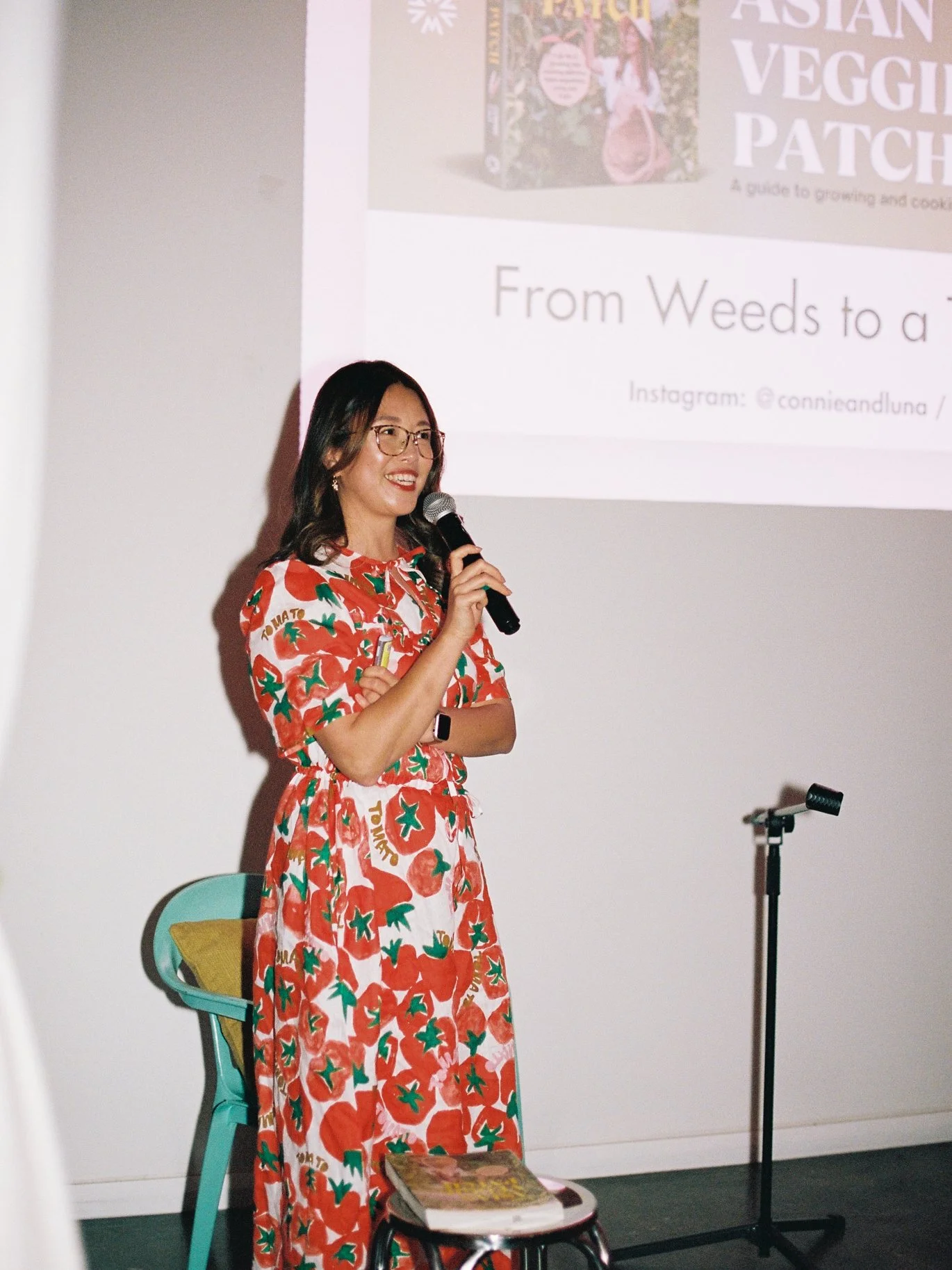
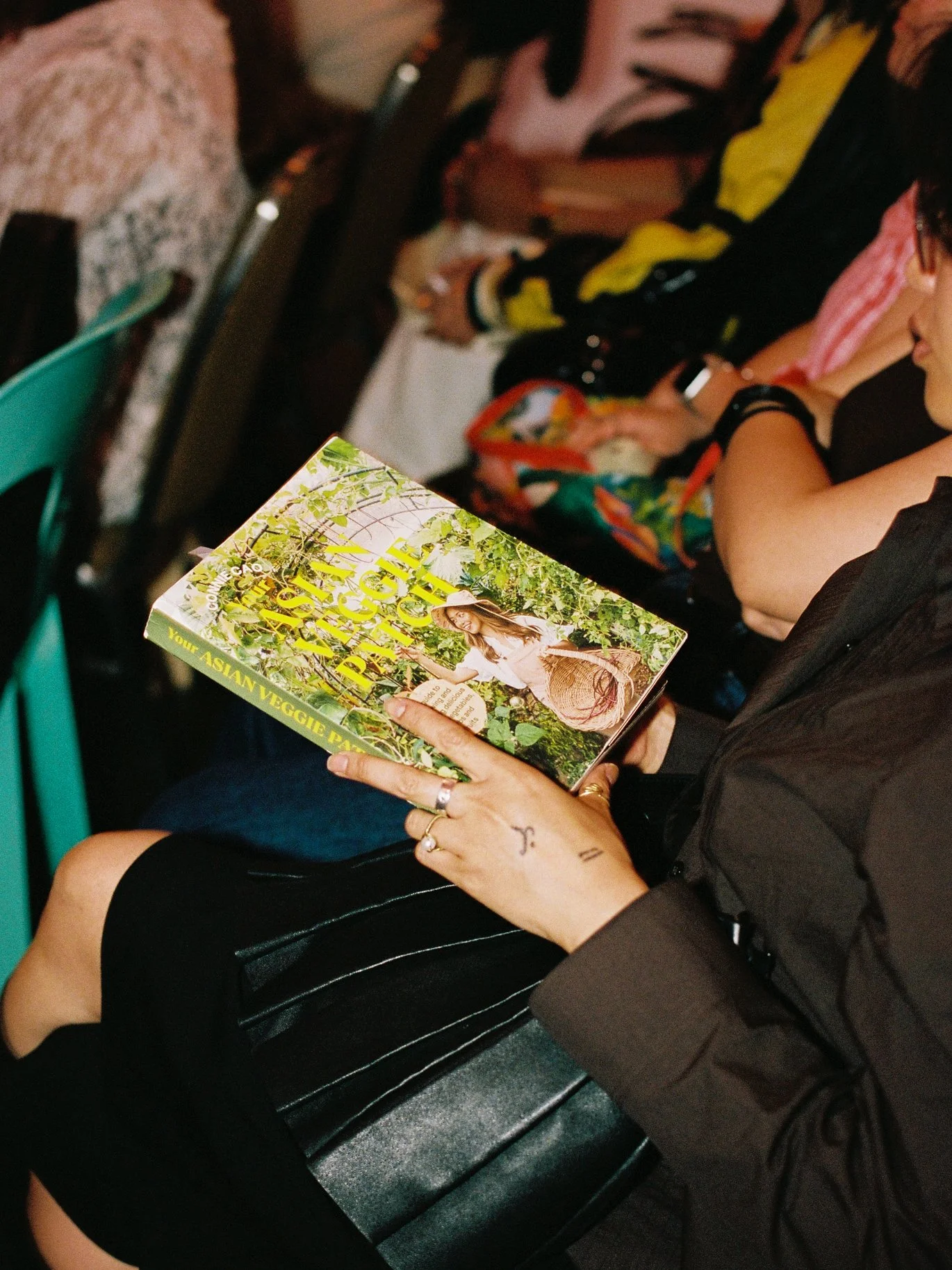
Connie Cao took to the microphone without cue cards or a prepared speech, announcing she’d be winging it. Through photographs and stories, she walked us through her garden, eight years in the making, and the experiments and lessons that turned an ordinary suburban backyard into something extraordinary.
I was most inspired by hearing everything behind the abundance we see in her book, Your Asian Veggie Patch, and on her Instagram: the years of trial and error and self-teaching. A productive garden doesn’t simply happen. It takes patience, curiosity and a willingness to keep learning, then generously sharing that knowledge with others.
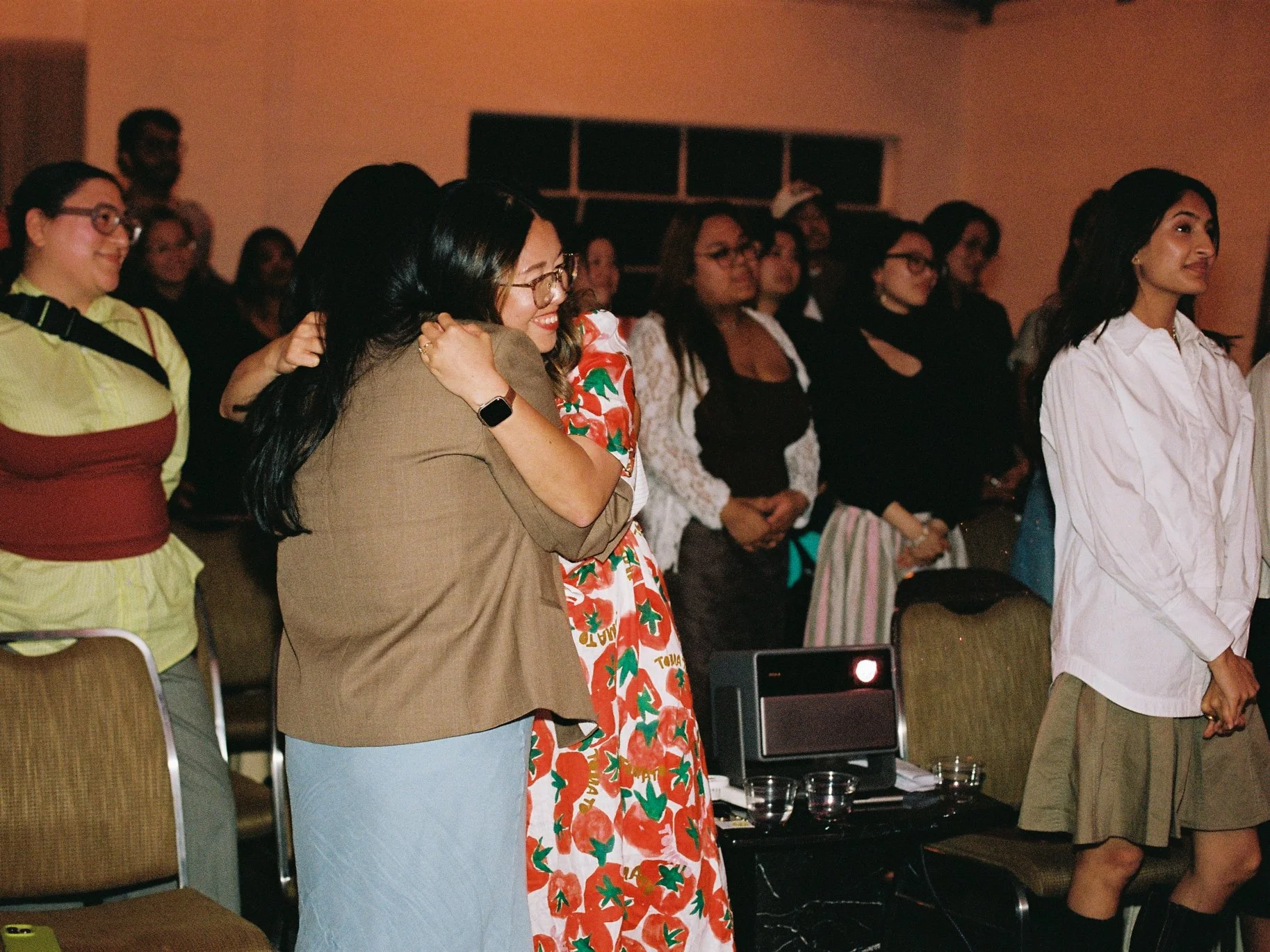
Carlin Stephenson was next with a deeply personal presentation on his photography and the emotional journey behind it. He spoke candidly about the pressures he’d placed on himself and the expectations he’d tried to meet. It was sentimental, raw and refreshingly self-aware.
After laying his emotions bare, one click of the slide revealed the words, ‘I remember who the f*** I am.’ A declaration of how he now approaches his career, his creativity and himself. Cue one of the biggest cheers of the night. Seb called for a standing ovation to honour Carlin’s vulnerability, and the room was only too happy to oblige.
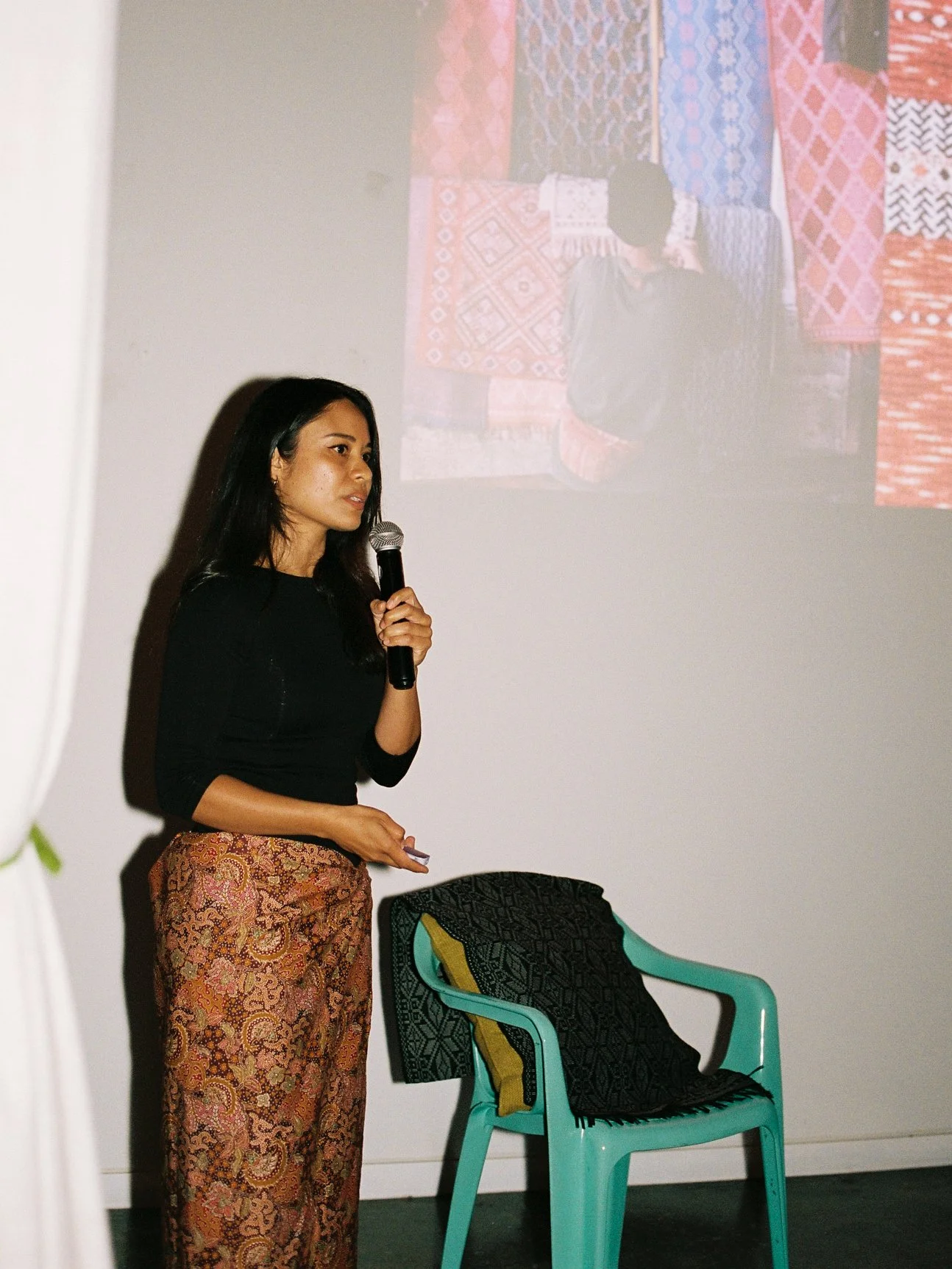
After a welcome intermission, we heard from Kristina Náray, affectionately known as Nina. Her voice is soft, but her convictions are unmistakable, a combination that makes you feel like you’re having a personal conversation with her, even in a room full of people.
She introduced us to Malindang, her culinary practice named after the mountain range in the southern Philippines where her ancestral roots lie. Its work extends beyond food to pre-colonial art and culture. What I took from her most was how much she wants these traditions claimed, not just retained. She spoke of them as something that was always there, and always belongs to those of us whose origins sit far away, in distance or in time.
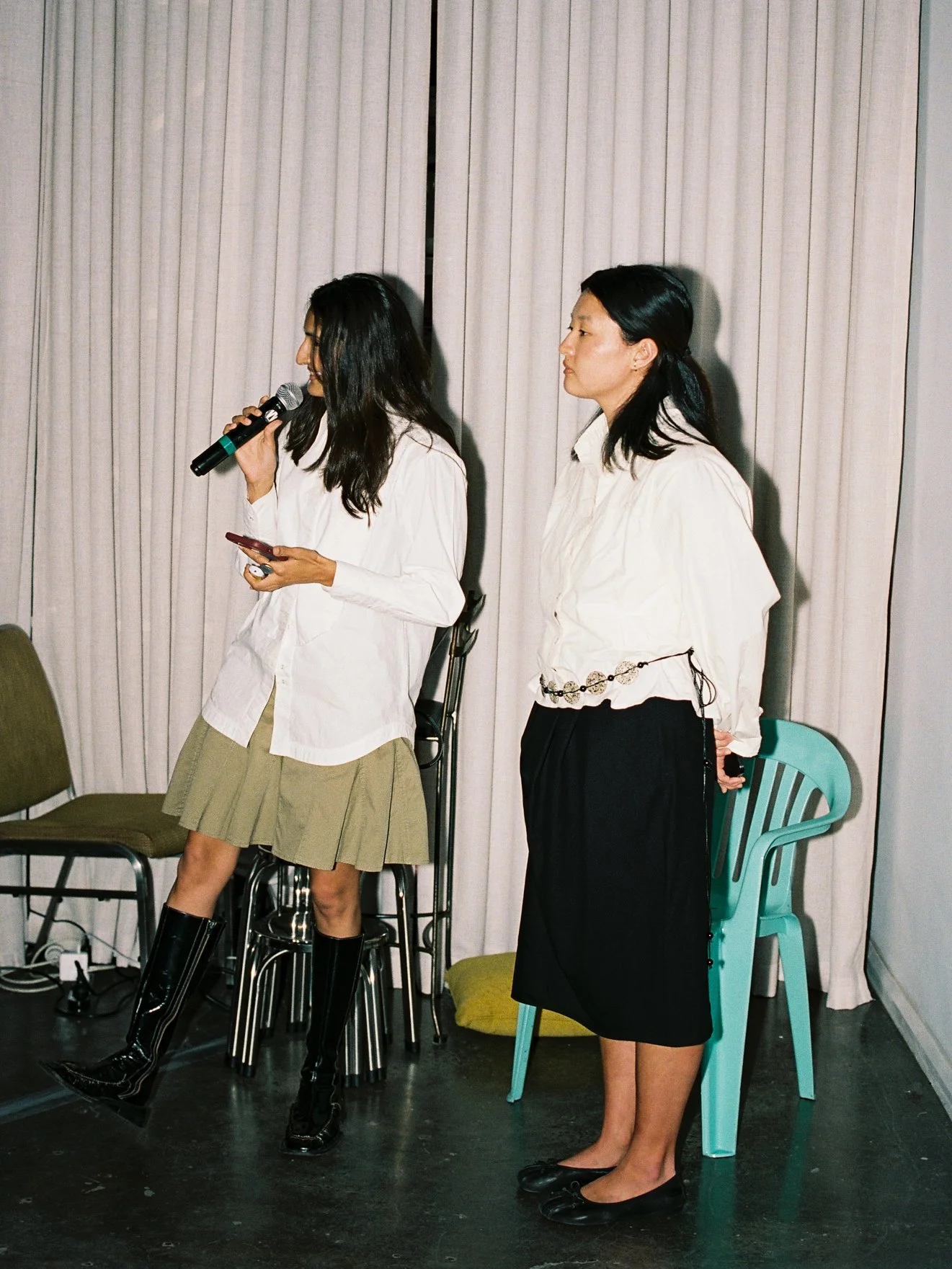
Next came Gitika Garg and Vivian Tang, the creative duo behind unSEEN, a digital platform celebrating POC creatives across Australian fashion, art, music and film. They told us how the journal came together and what they hope to manifest next. I have enormous admiration for people who notice something missing and decide to do something about it.
One of my favourite moments came when they shared their social media content and explained they’d started using voiceovers in it more than a year ago, casually suggesting they might have started a trend. The room responded with enthusiastic nods. Yes, claim it! We should take credit for the ideas we put out into the world.
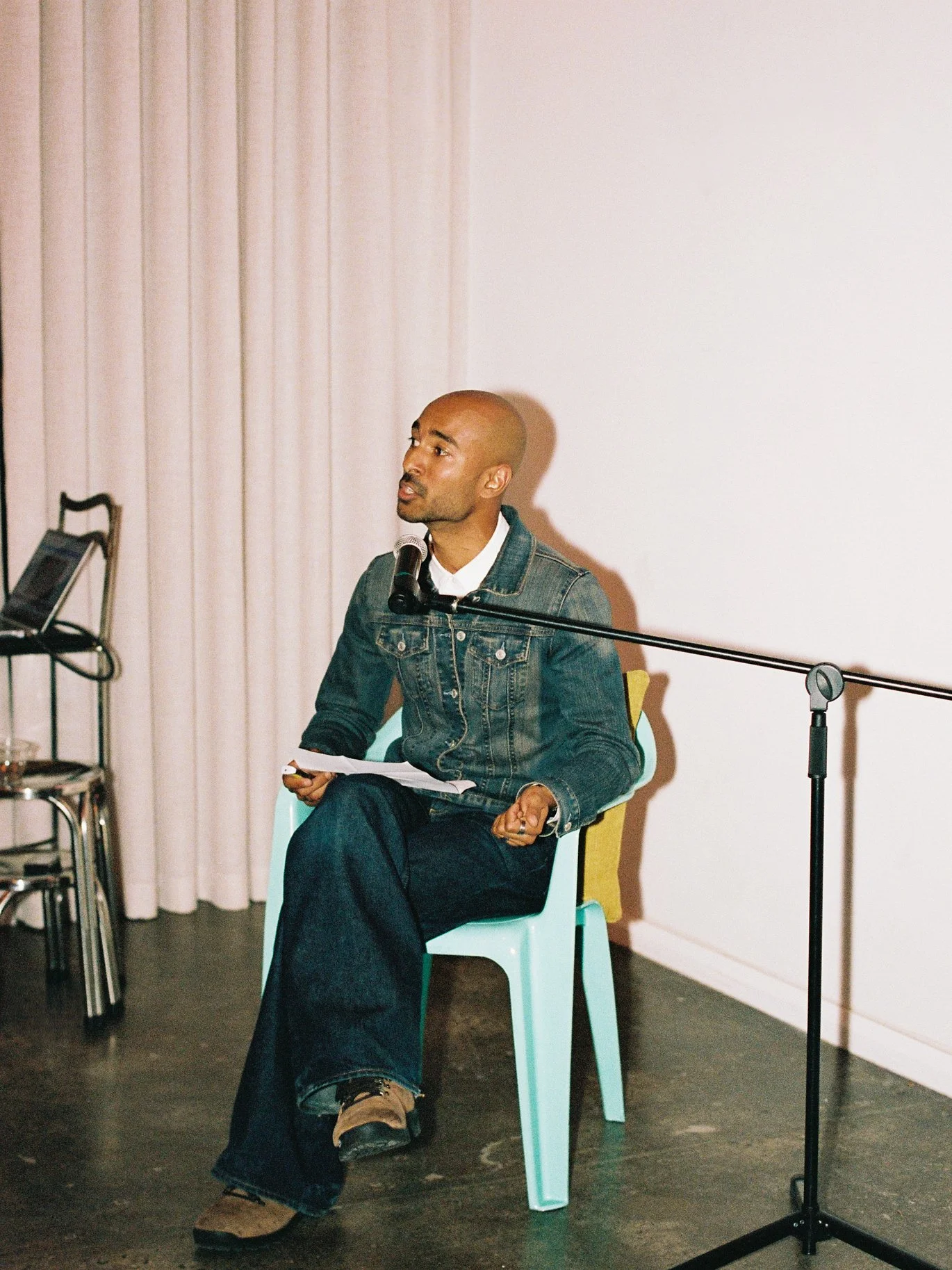
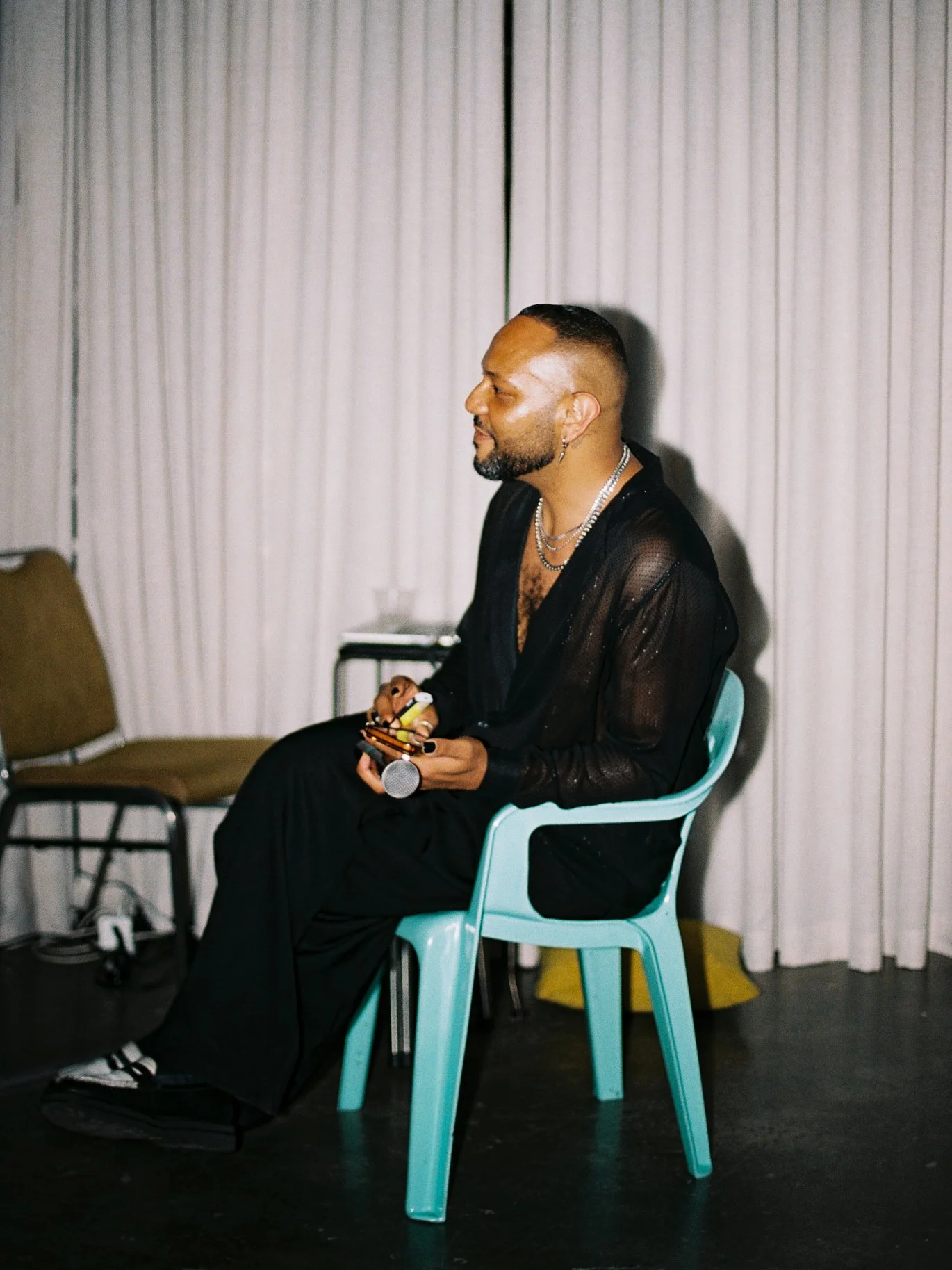
Seb returned to close the presentations, admitting he felt vulnerable about sharing his story. His talk, I Don’t Know What I Want to Be When I Grow Up, began with his observation that everyone before him seemed to know exactly what they were doing.
But I saw a common thread across every talk: honesty. The honesty to recognise who they were, admit when things needed to change, speak their minds and turn words into action. Seb was no different. His account of the achievements, setbacks and unexpected turns ended with him proudly announcing that he’d landed the biggest role of his career yet. Perhaps none of us has everything figured out completely, and that’s perfectly okay too.
Truth time: I won’t pretend building this community is always a joy. Some nights, after a full day tackling my own work, I switch straight into MADE IN KIN mode and wonder what on earth I’ve gotten myself into. Will any of this make a difference? Should I just be putting all this energy into my own career?
And frankly, I’m angry that we still have to fight so damn hard for our stories and talent to be recognised. I suspect anyone who’s advocated for BIPOC communities knows that particular kind of exhaustion.
And then you have a night like this.
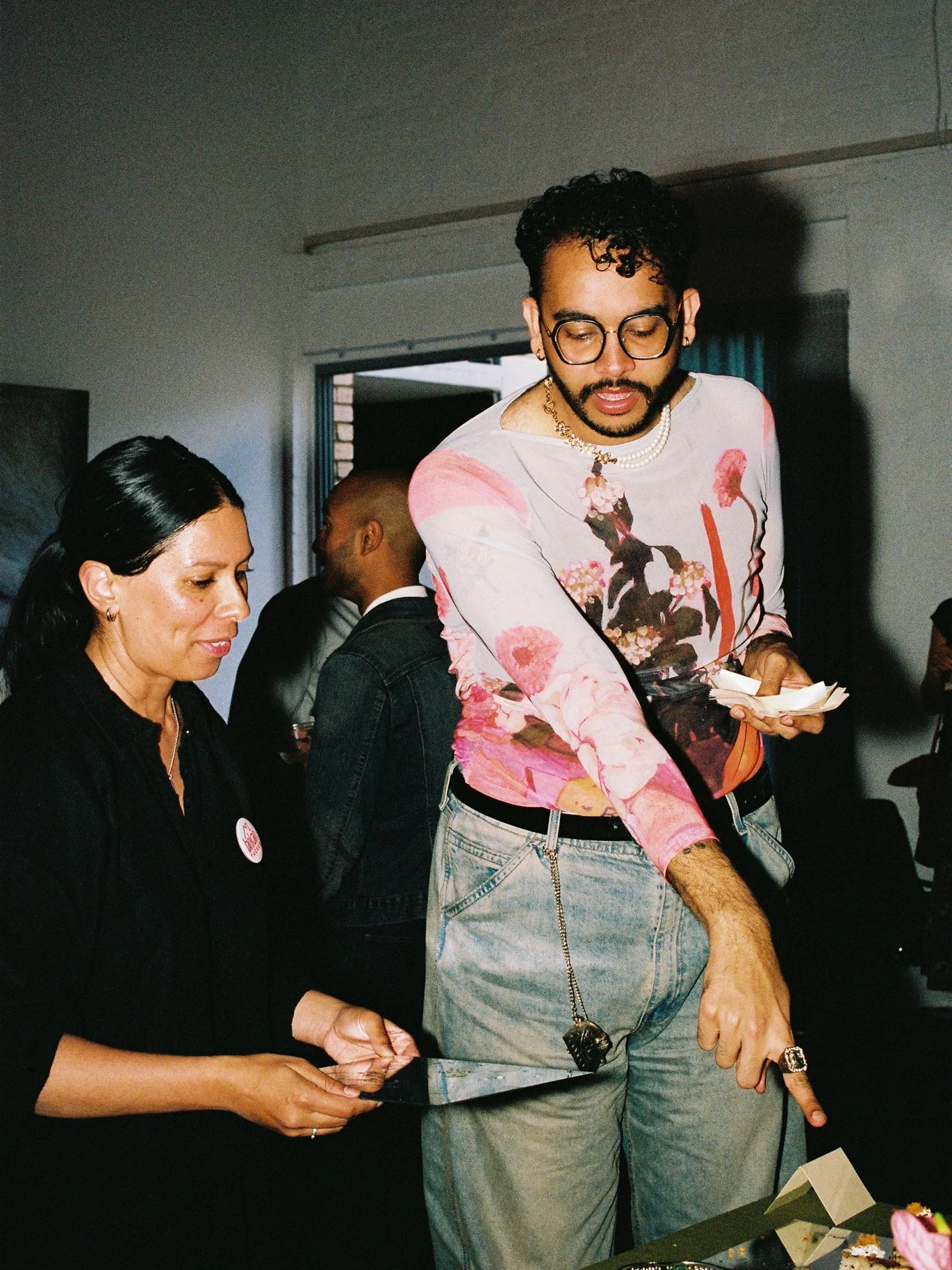
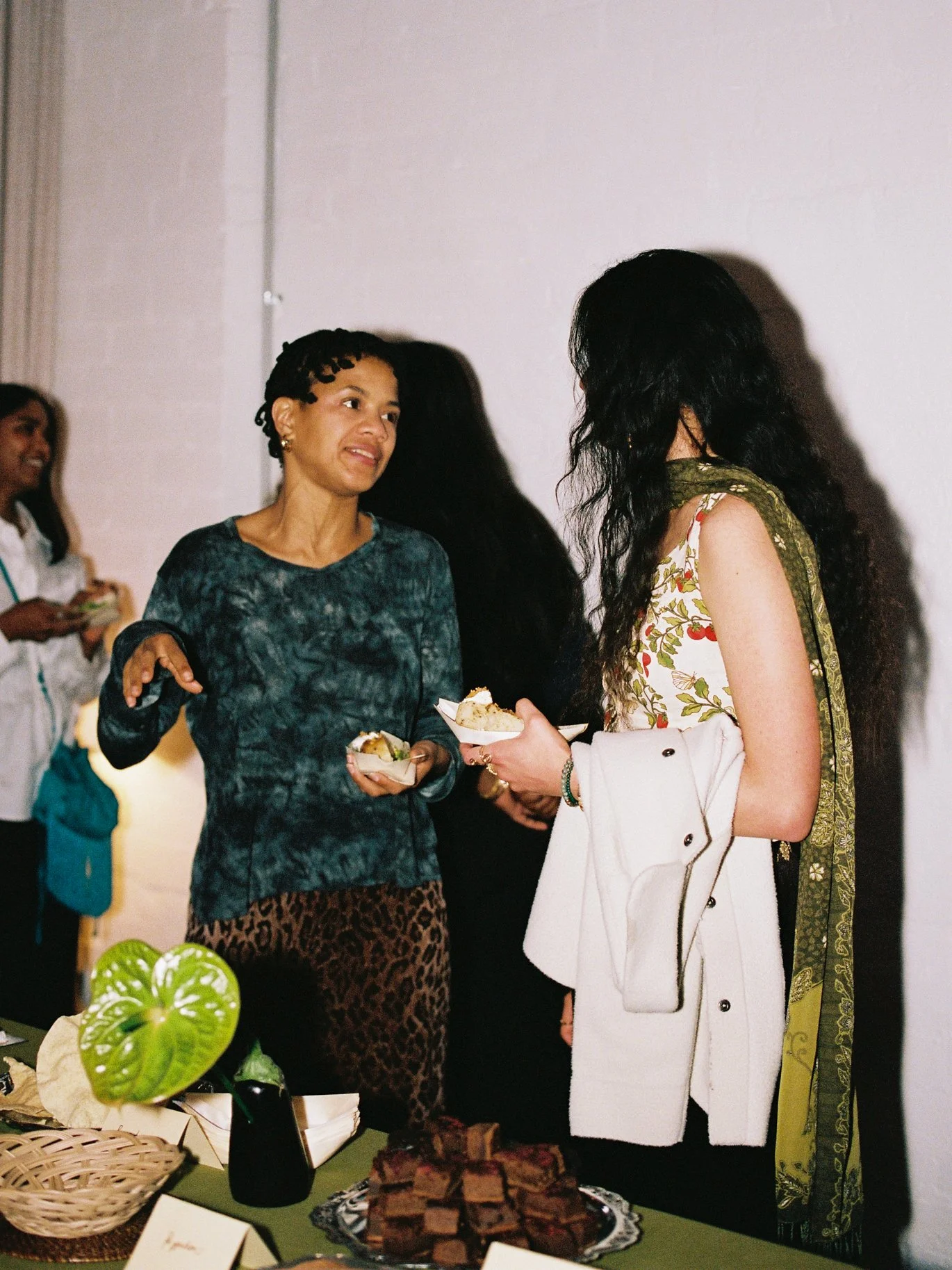
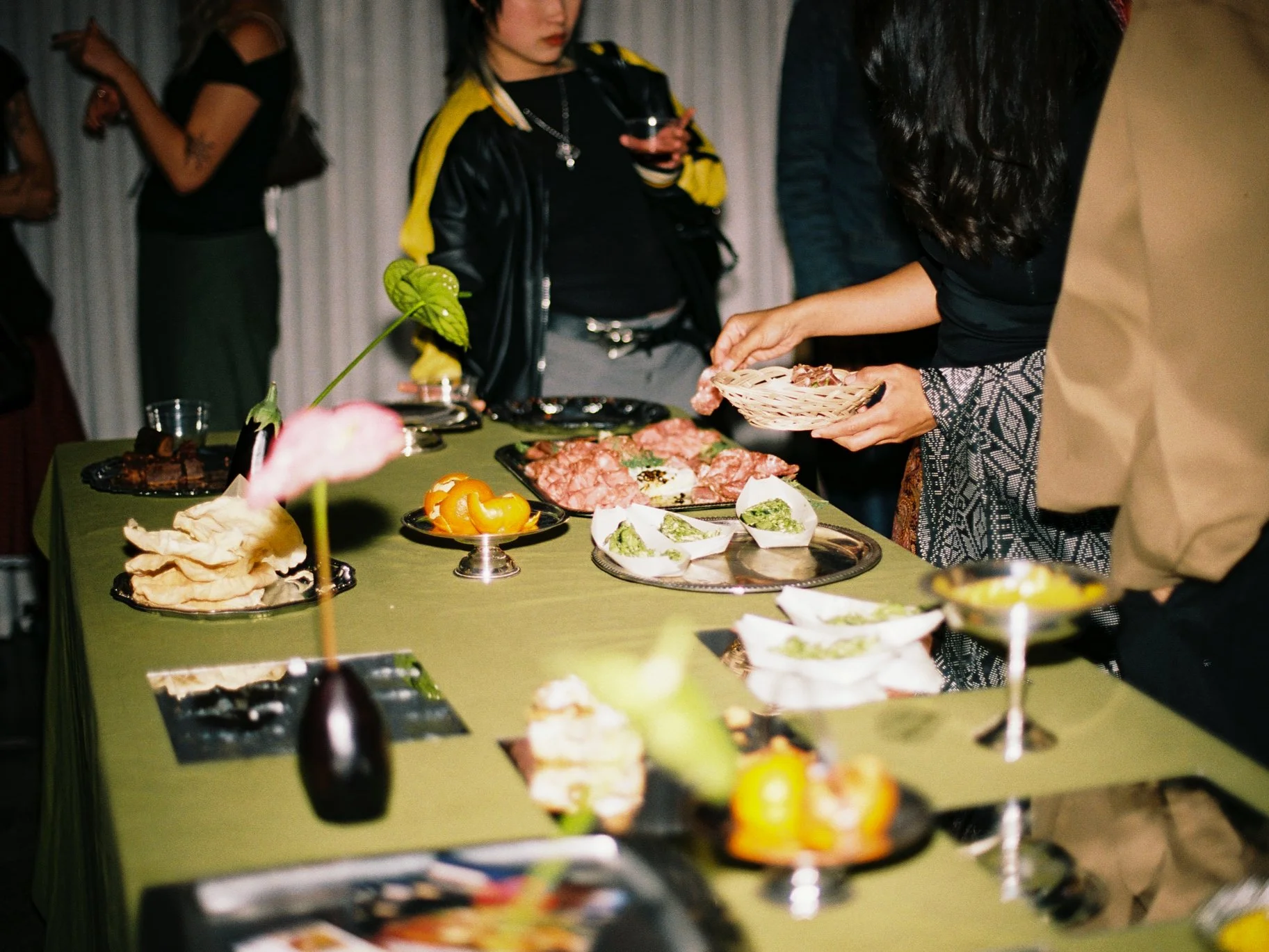
When Nerissa Jayasingha of Lankan Tucker goes above and beyond with our grazing table and rolls up her sleeves to help us set up.
When Carlin Stephenson arrives with an envelope of photographs he’d taken of everyone’s handwritten notes to their younger selves at a previous MIK gathering.
When Sebastian Pasinetti arrives with flowers, hosts like an absolute boss, shares his own vulnerabilities on stage and still helps shuffle furniture around.
When Connie Cao, who famously hates driving ‘into Melbourne’, makes the trip anyway, bringing along her friend Jess, who takes one look at me panicking before my presentation and promptly lends me her handheld fan.
And when my husband, Kieran, happily tackles all the fiddly, unglamorous jobs, yet still knows exactly when to whisk me away into a quiet corner for a much-needed breather.
None of these people had to do any of it. And that, to me, is the whole point.
It’s easy to talk about community. To put the word in a mission statement, a funding application or an Instagram bio. But community isn’t something you simply declare. It’s something you practise.
After all, we don’t host, present and attend gatherings like these just for ourselves.
We do it FOR THE CULTURE.