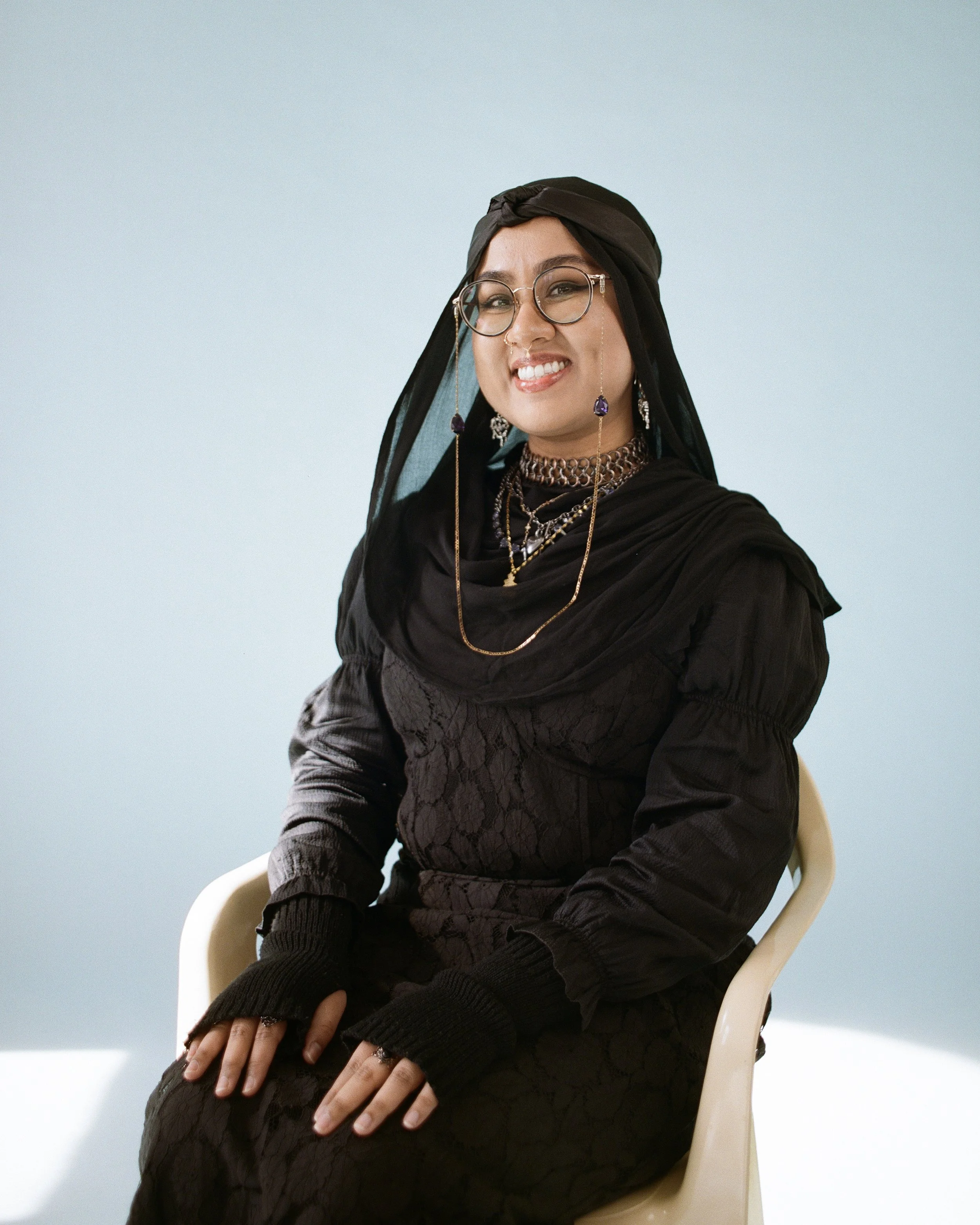
The Meaning Of Home Began With My Parents
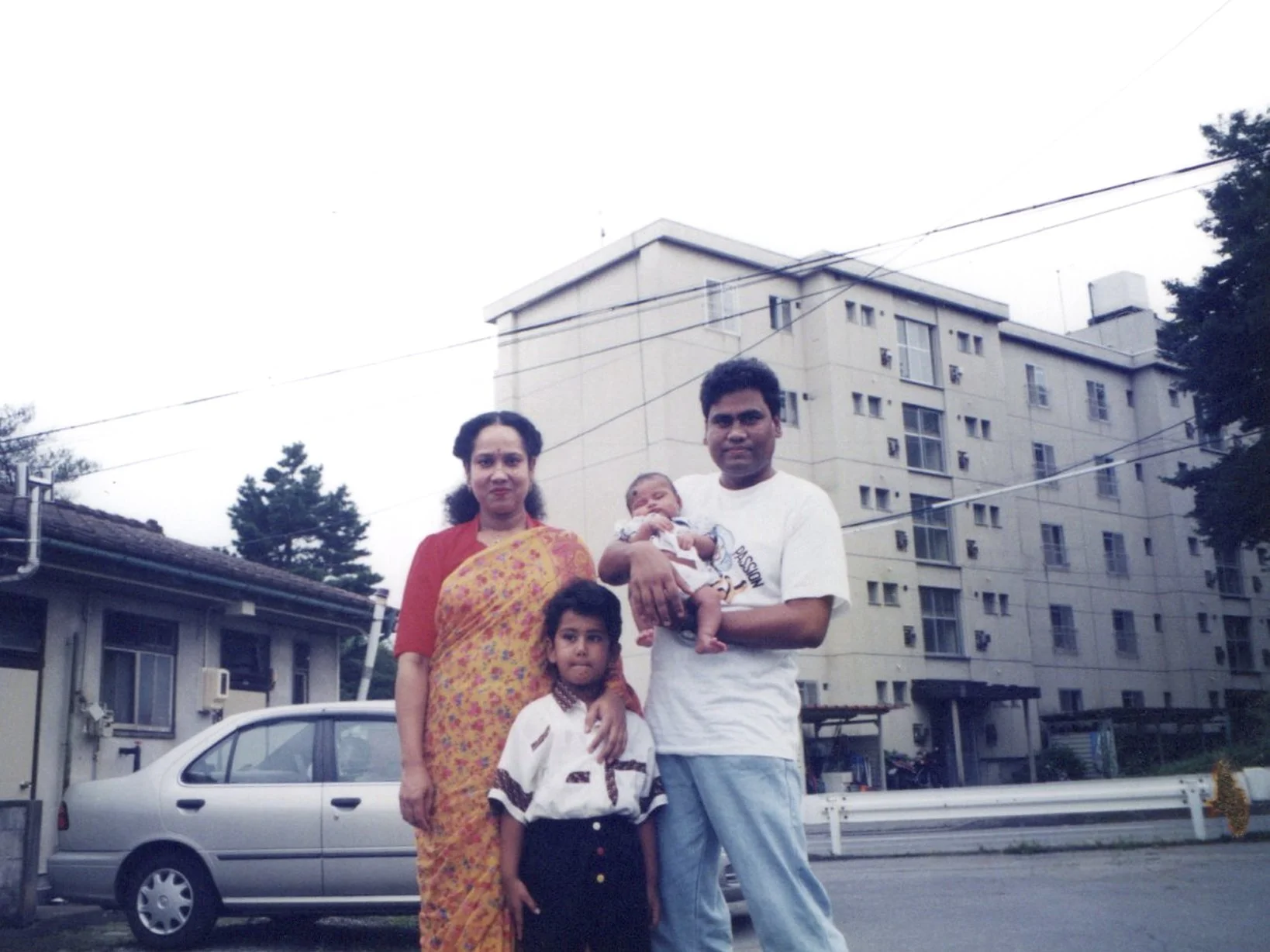
My family outside our home in Japan.
Born to Bangladeshi parents whose lives spanned villages, universities and continents, writer Numa Sarker reflects on the values, sacrifices and enduring love that shaped her understanding of what home truly means.
When I think about home, I don’t think of a house or a country. I think of my parents and the long journey that brought them here.
Born in a small village in Kurigram, Bangladesh, my abbu (father) was the youngest of 11 brothers and sisters. He called his father upne, a term of respect for elders, which is to say he was shit-scared of his dad. His youthful mother was tui, a friendly term of kinship often reserved for playful siblings and best friends.
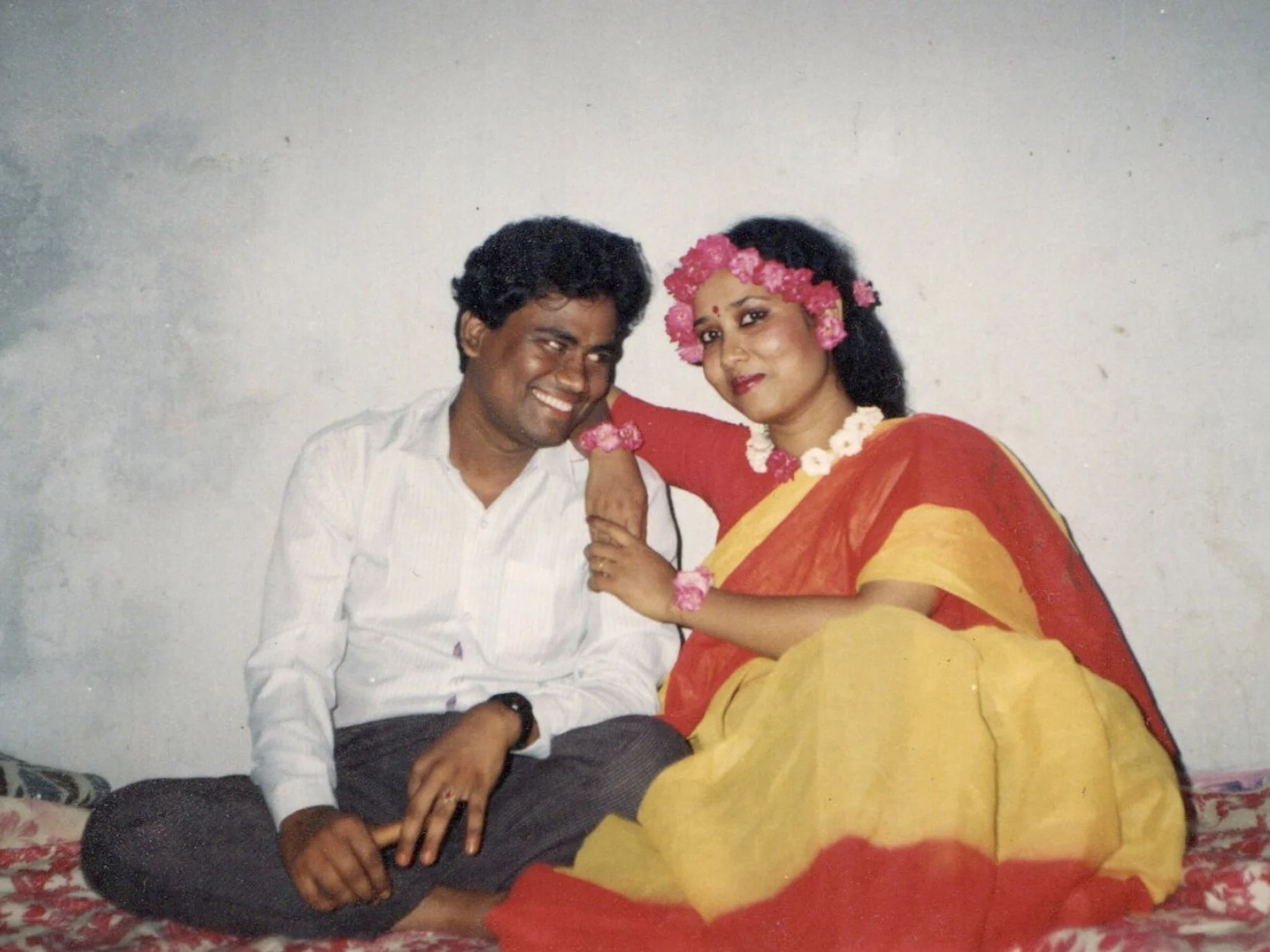
Ammu and Abbu during their Holud Shondha (pre-wedding turmeric ceremony).
Growing up, Abbu would remind me he’d walk an hour to school and an hour back each day, studying in friends’ rooms and anywhere he could safely roam. Placing Best in District and going on to complete his PhD in Agricultural Science on scholarship at Shinshu University, Japan, he is the very definition of an underdog carried by raw talent.
In the same sweet story, aunties will jest with my ammu (mother) that she’s one of the fortunate ones to have had the coveted ‘love marriage’, meeting Abbu at university as a classmate who was eager to tutor her.
Both were in the same cohort at Bangladesh Agricultural University (BAU) and, being the sweetness she is, Ammu took to Abbu’s lessons. She made him food for their sessions and a little extra during the holiday seasons. In their late twenties, they decided to marry, having a small home wedding at Ammu’s basha (home) in Rangpur, where she notes she wasn’t gifted anything, not even a sari, and laughs. It’s clear she’s happy because she married her best friend.
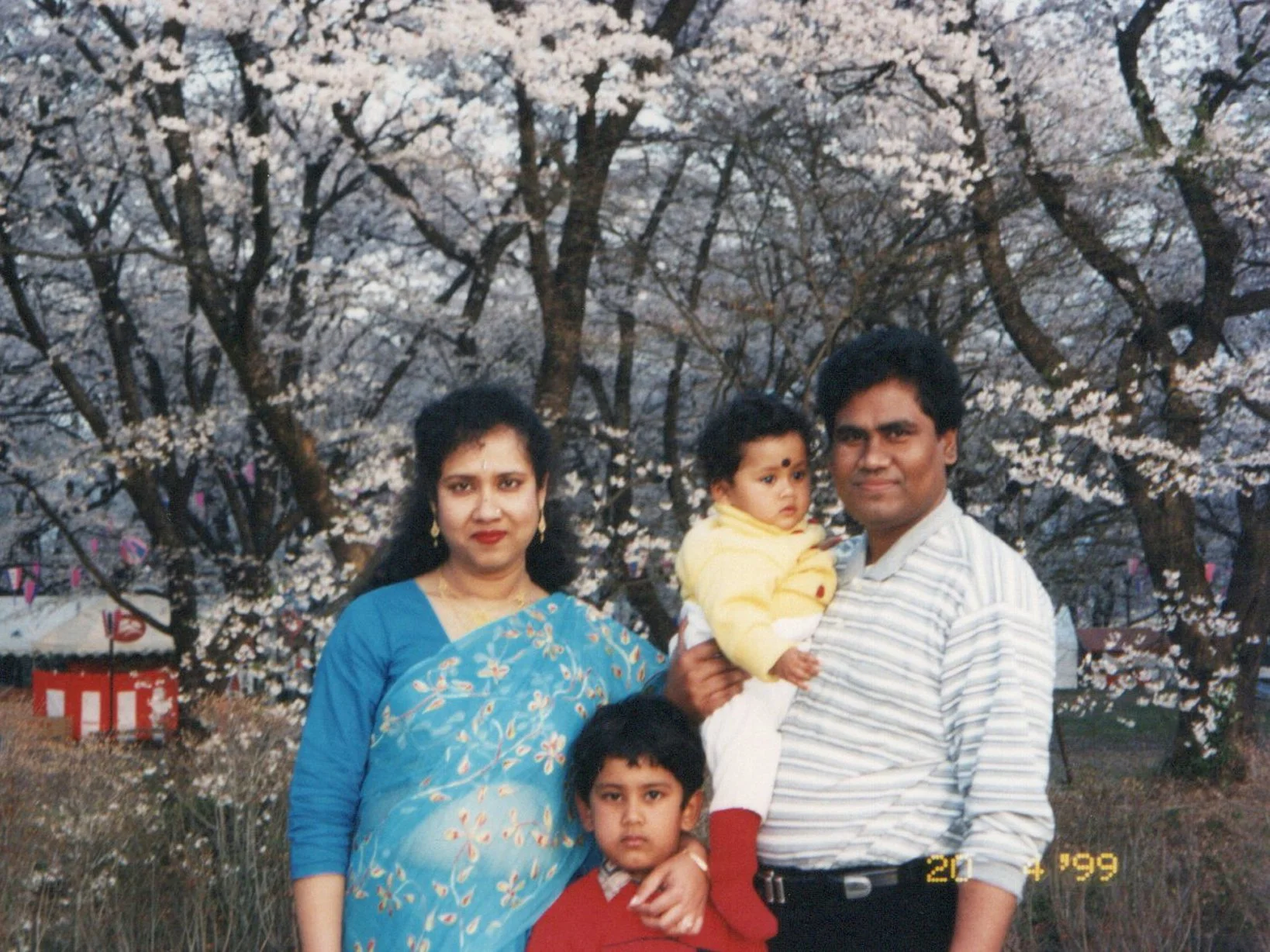
My family enjoying spring in Japan.
Having my bhaia (brother) was a painful birth story. My nanu (grandmother), a midwife, assisted the birth in the same basha, where Bhaia tore it all up. The experience is recounted so differently from my birth in Japan, where they’d moved shortly after for Abbu’s studies. The Japanese midwives would laugh with the wailing mothers, intimately knowing their pain but also exactly how to ease it. Three pushes on the belly, and I was out!
Our birth stories are so contrary to the trouble we’ve caused Ammu since. Bhaia grew up to be a dependable doctor who got the grades and worked hard, while I grew up giggling and causing her a right headache – an ever-curious woman who speaks a little too much and ‘laughs too loudly’ in rooms where she doesn’t quite belong.
Then, in 2000, came Australia – the Land of Opportunity – where our understanding of home would shift once again.
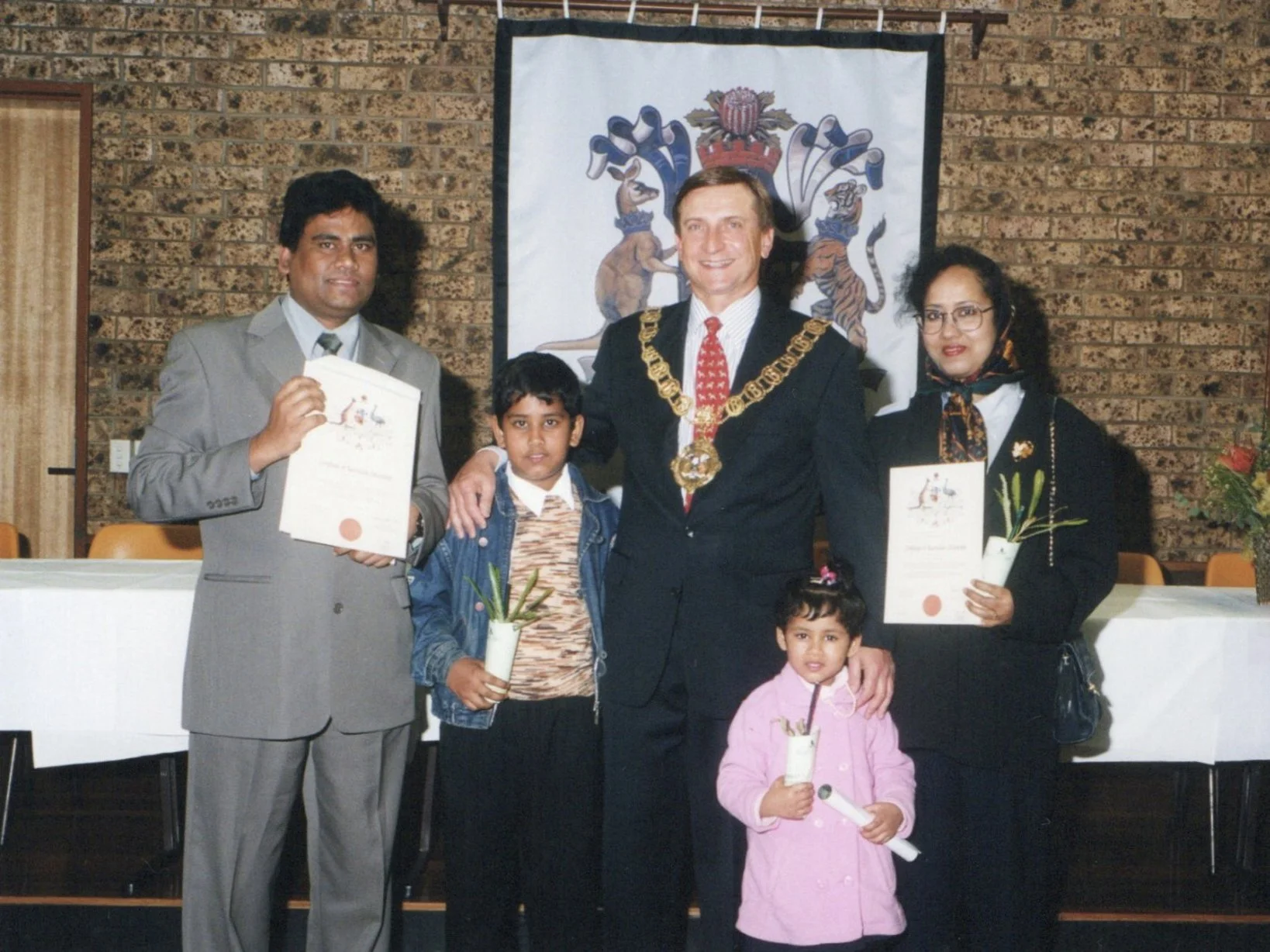
My family at our Australian citizenship ceremony.
In the Sydney apartment our family rented in Hillsdale, I was old enough to remember living in what I like to call ‘a room without a view’: a built-in closet space carved out of our living room, just large enough for a single bed, a desk and a slim chest of drawers.
I won’t forget the people who turned their noses up at our little heaven. Friends were curious about my windowless room, but soon grew tired of the overhead light, since daylight couldn’t reach my corner.
It felt like a strange, in-between place where I didn’t quite feel like a normal girl, though I had all the necessities and love to sustain me. Slowly, I’d begun believing my home was one to be abandoned, and, in fact, a childhood friend proved it. She attended a private school and discovered that one of the popular girls lived in the apartment across from ours. Her dad would drop her off at our building, only for her to cross the road and spend the afternoon with her instead. I realised my home wasn’t somewhere people chose.
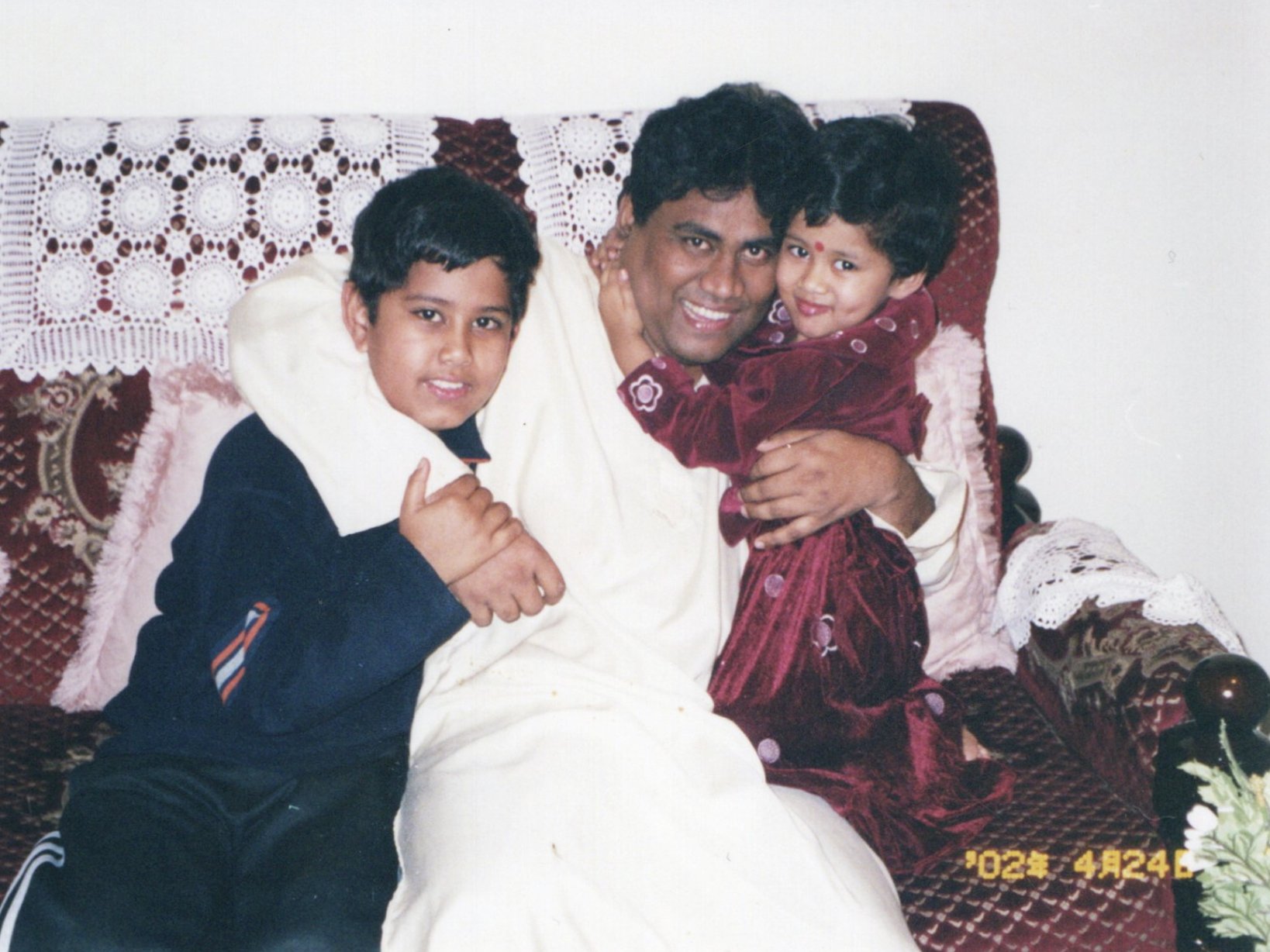
Abbu, Bhaia and me as children.
Living in my little room made me feel different. I thought more well-off people didn’t want us, and I saw how they perceived Ammu-Abbu.
I heard them belittle what Abbu did, who’d left a research posting at the University of Sydney to care for little me and has always been the first to sacrifice for his family. When I got married, these comments became even more apparent, as new, distant people from communities I’d barely started getting to know had the pompous audacity to say that Ammu-Abbu ‘don’t do much’.
As I’ve grown, I’ve come to see Ammu and Abbu not only as underdogs, but as the most successful people I know.
They are generous with what they have, forgiving when they’ve been wronged and honest in any situation. With incredible talent and medals to his name, Abbu refused work in Bangladesh remotely adjacent to any form of corruption. Ammu was a teacher and brought that same fierce love to early childhood education here, nurturing children and watching them grow.
Thinking about their true hearts moves me to tears any time I meditate on it. I’ve had strangers ask if I’m okay because I’ll start streaming at any moment.
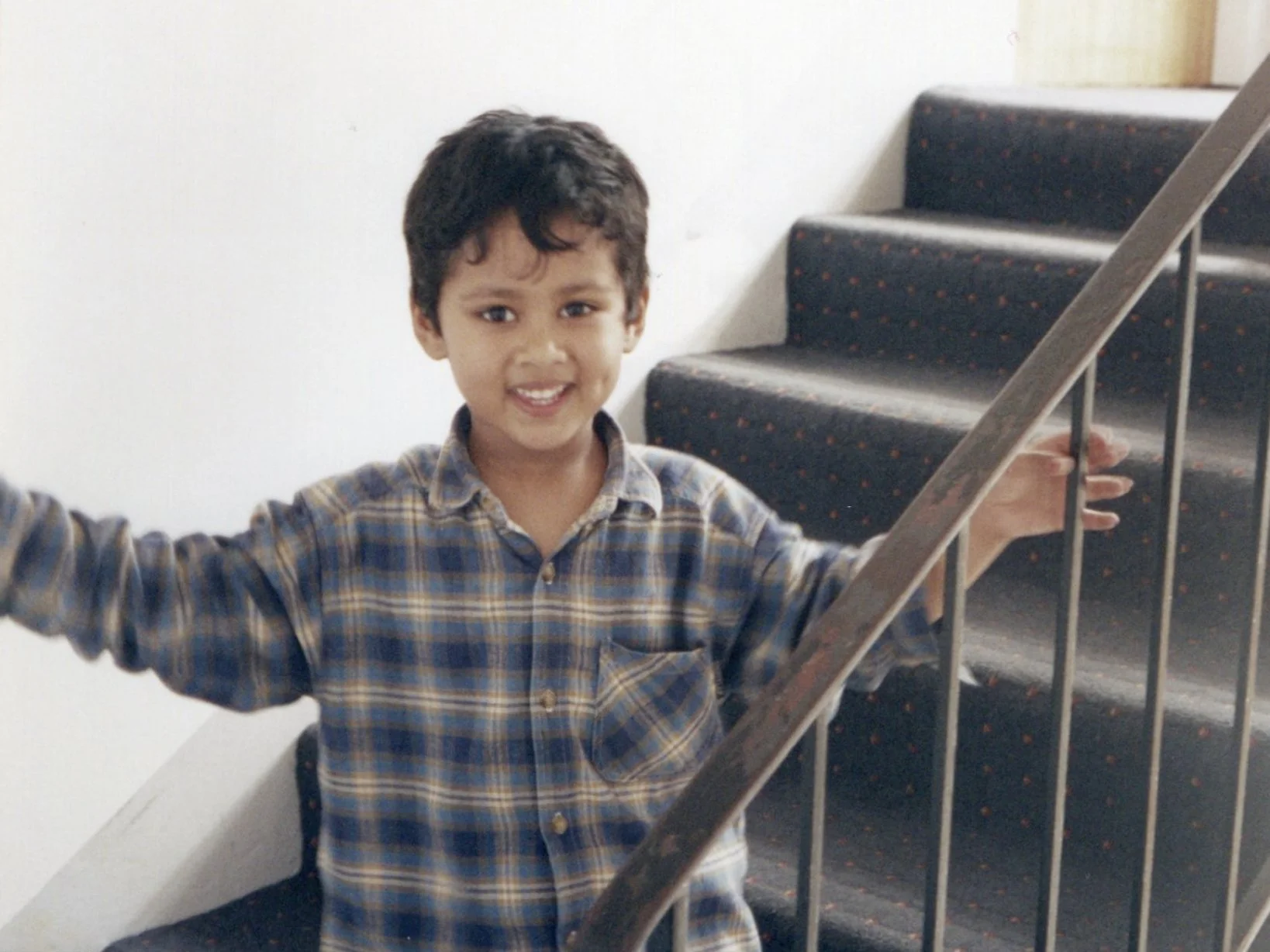
Tomboy me outside our apartment.
When anyone speaks ill of them, I feel a rage that locks my jaw. I cry, and my heart throbs, and then it fills with bhalobasha (love). My heritage makes me smile because bhalobasha is created with bhalo (good) and basha (home).
Some people measure us by our jobs, our homes and our lavish things. They look on, cocking their heads in pity, seeing status where I see character.
I’ve realised that’s what home has become to me.
Even though my temporary home is always shifting, my real place of refuge – my ancestral home – has never been a building. It has always been my parents.