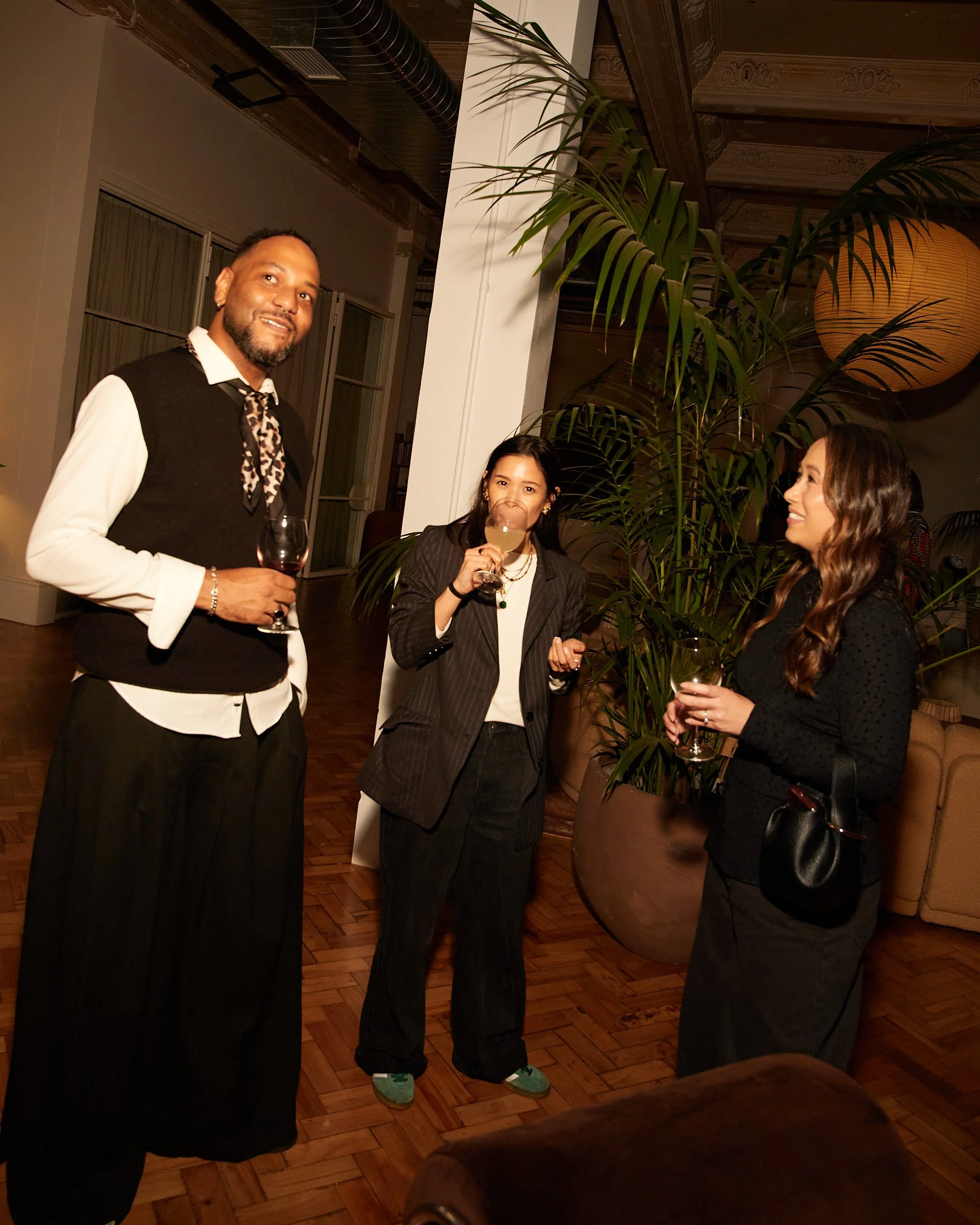
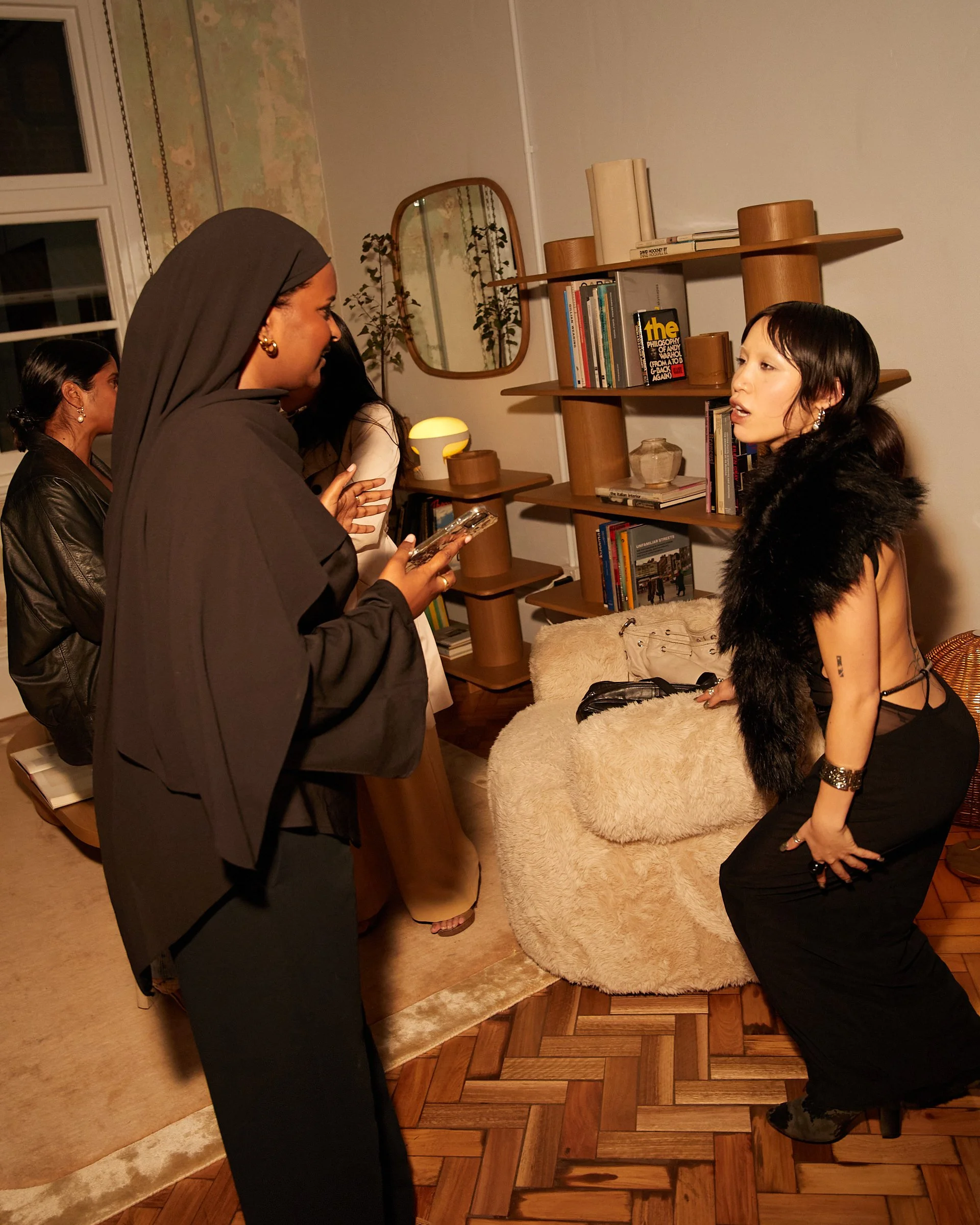
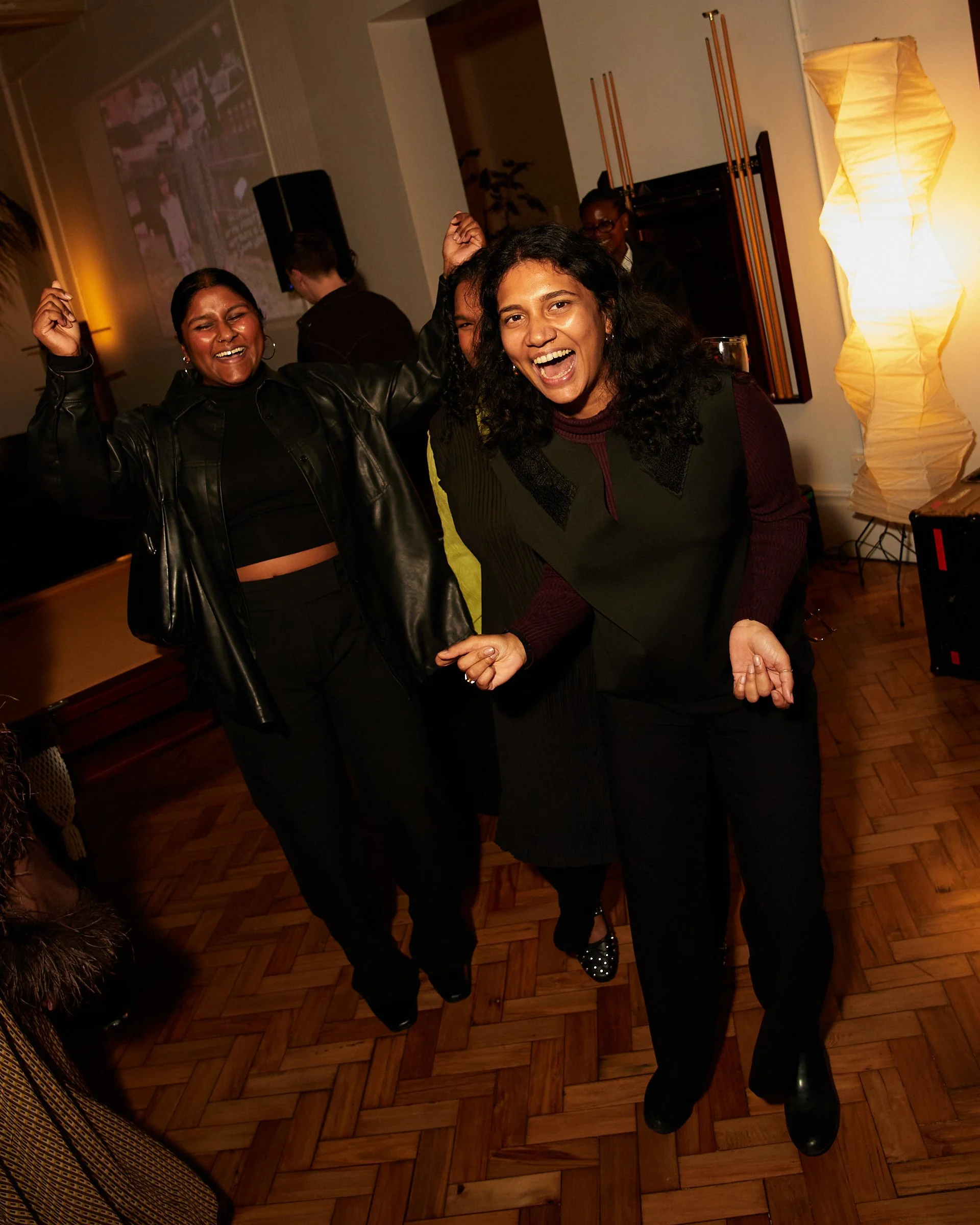
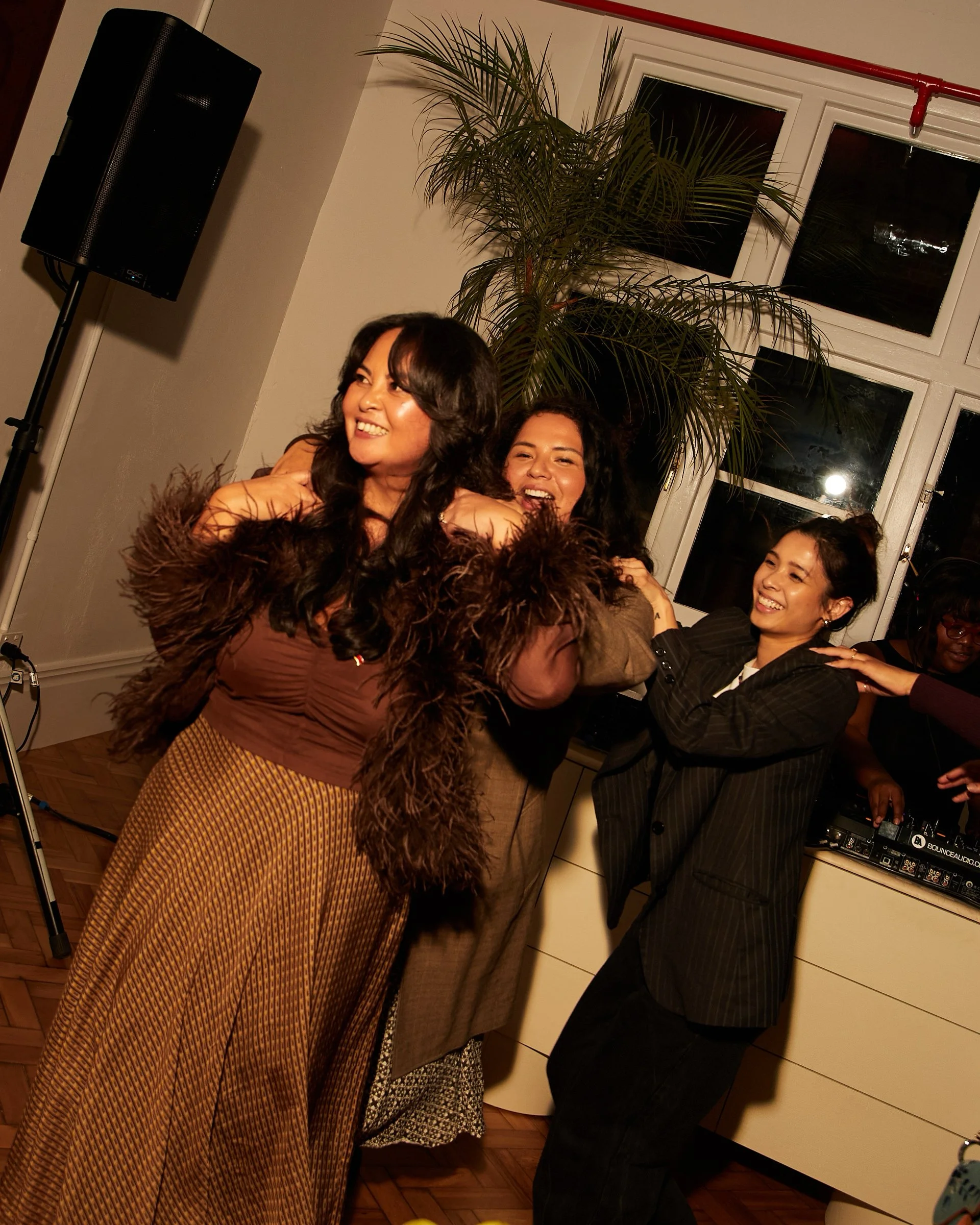
Meet MADE IN KIN In The Lobby
Photography: Carlin Stephenson
Forewarning. This event recap is probably going to sound a little dramatic. It might even sound overly sentimental. To some, it was simply an event. A room. A panel discussion. A few drinks. Some photos. But for those of us in that room, it really was that deep. Because moments like this are rare.
The spotlight afforded to people of colour in Australia is often fleeting. Conditional. Pieced together through scraps of opportunity and sheer determination. We are experts at creating something from almost nothing.
So when a room full of people who share migration stories gathered together for Meet MADE IN KIN In The Lobby, not as a side note, not as a diversity initiative, but as the main event, forgive us if we're excited.
Forgive us if we take too many photos. Forgive us if we talk about it for weeks afterwards. Forgive us if we're loud and proud. We don't get many nights like this.
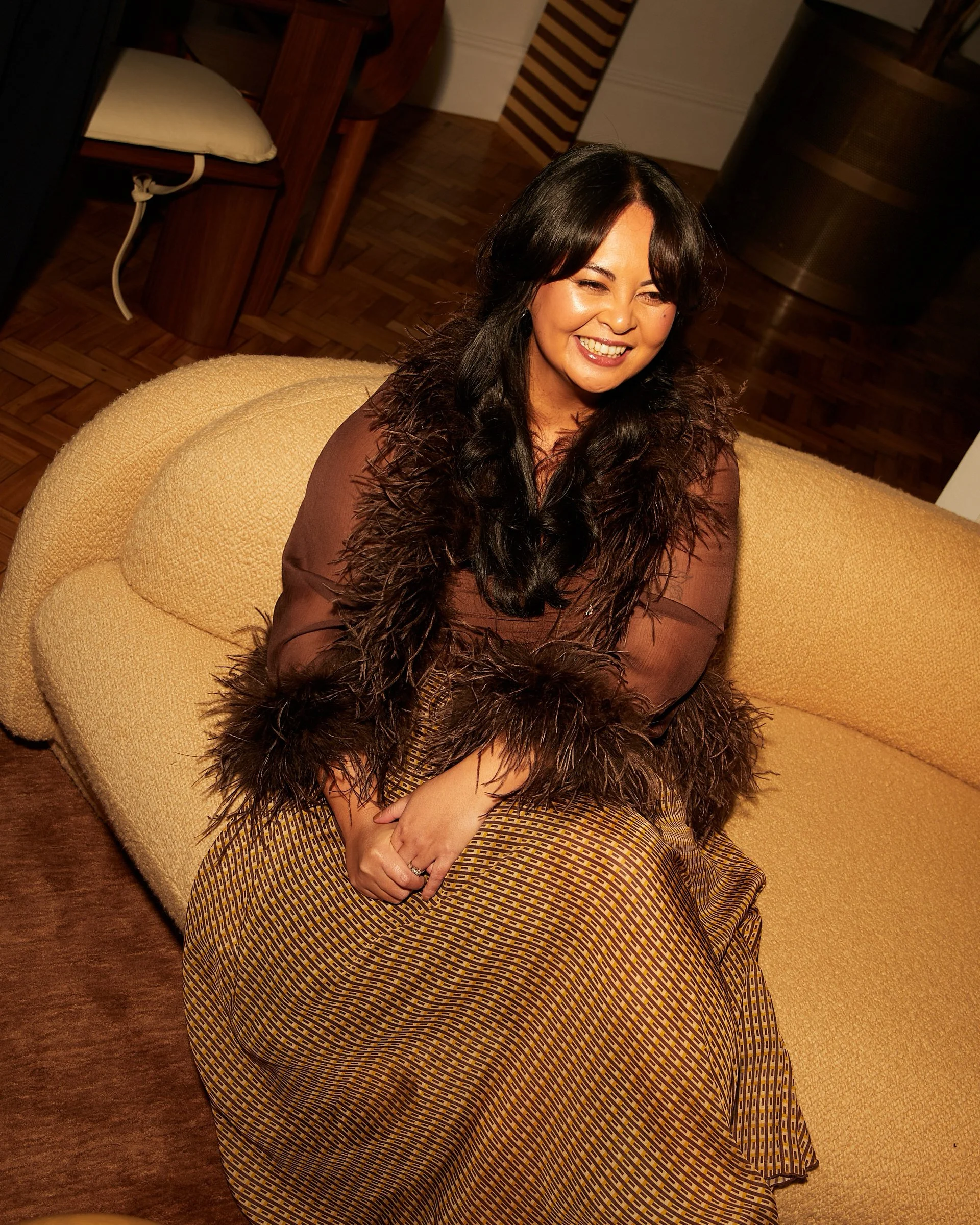
For the past few months, my life has revolved around spreadsheets, guest lists, runsheets and the constant mental gymnastics of preparing to host an event for almost 100 people on top of work, life and everything in between.
Would people come? Would they connect? Would they enjoy themselves? Would I completely fall apart if something went wrong? As the event drew closer, those questions became louder. But none of my fears came true.
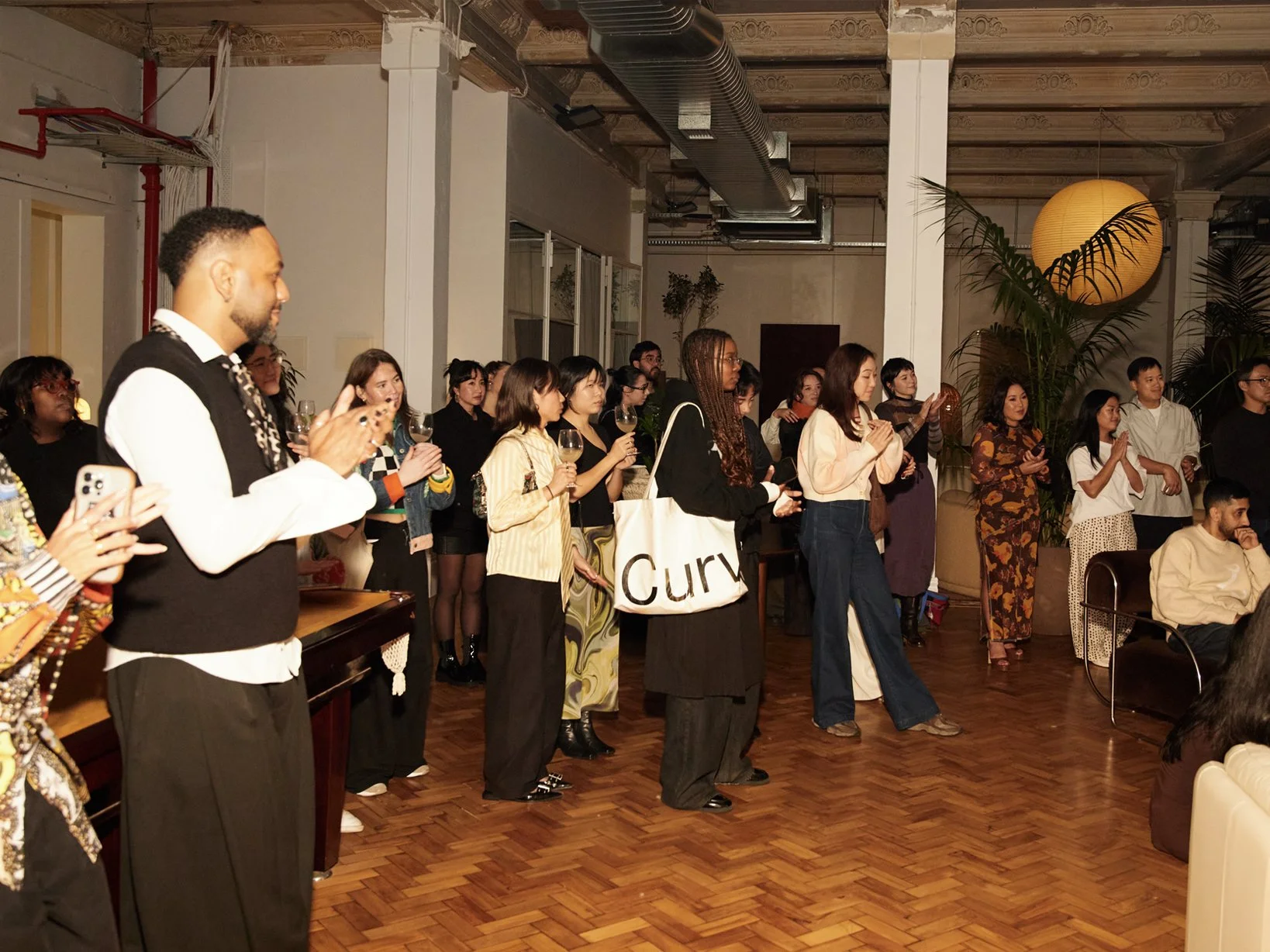
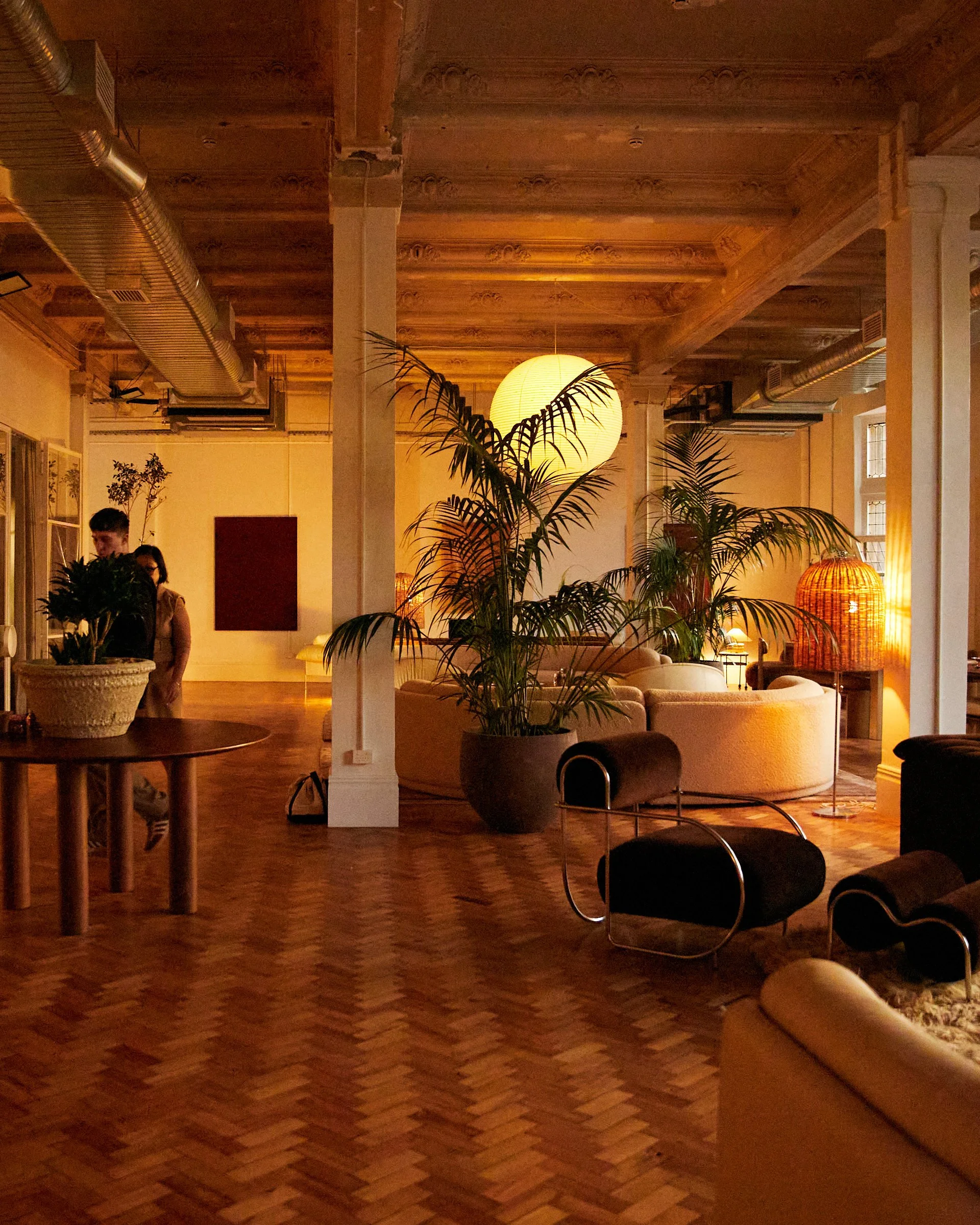
Instead, on a cold Friday night in Naarm (Melbourne), our MADE IN KIN community filled Ellison Studios’ concept space, The Lobby. And then they just kept arriving. Some brought friends. Some came alone. Some flew down from Sydney, despite having families, jobs and every excuse to stay home.
I've been to countless industry events over the years. The kind where you scan the room looking for someone who looks like you. The kind where conversations feel transactional. The kind where you're grateful to be invited, but leave wondering whether you truly belonged there in the first place.
This event didn't feel like any of the others. Quite the opposite, in fact.
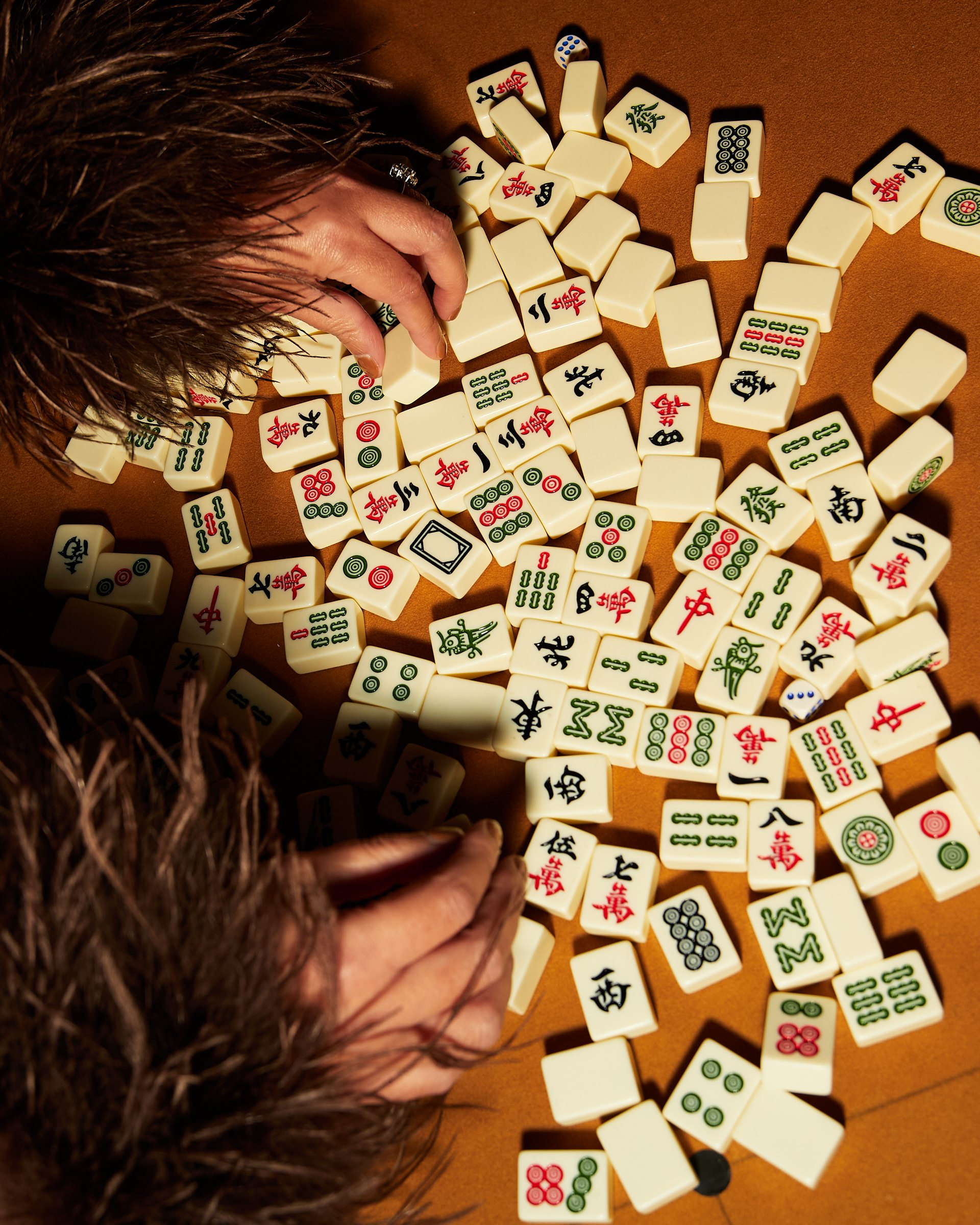
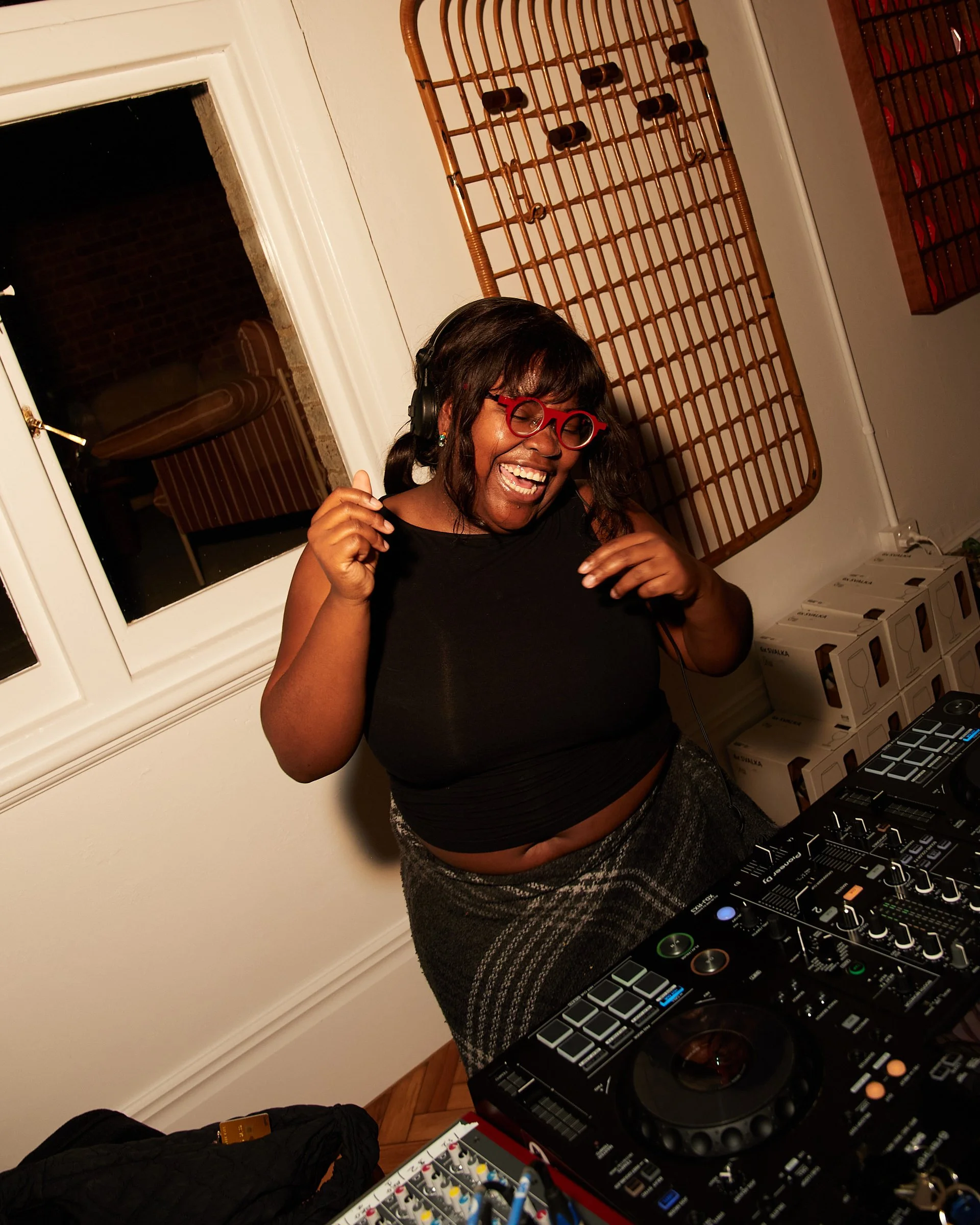
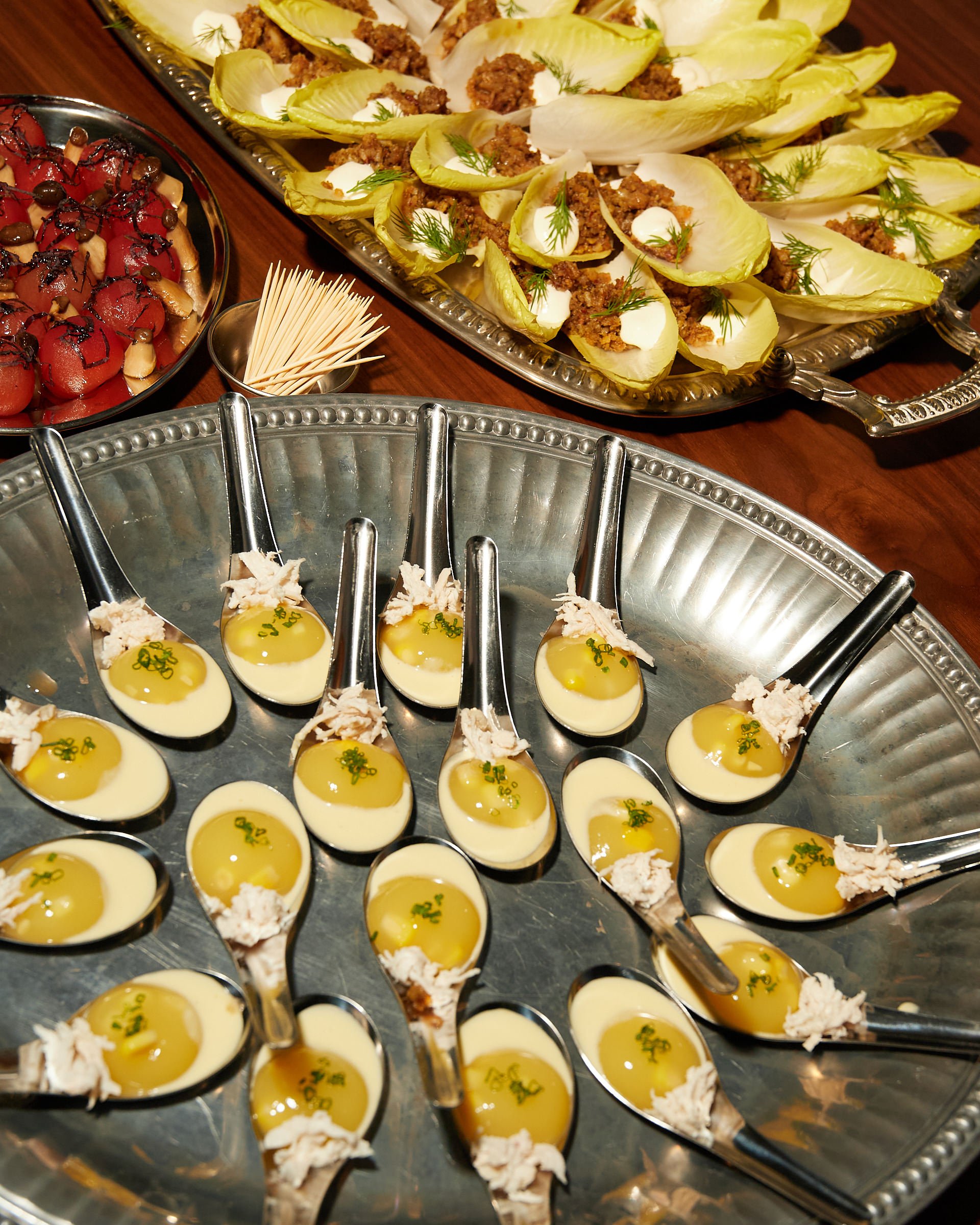
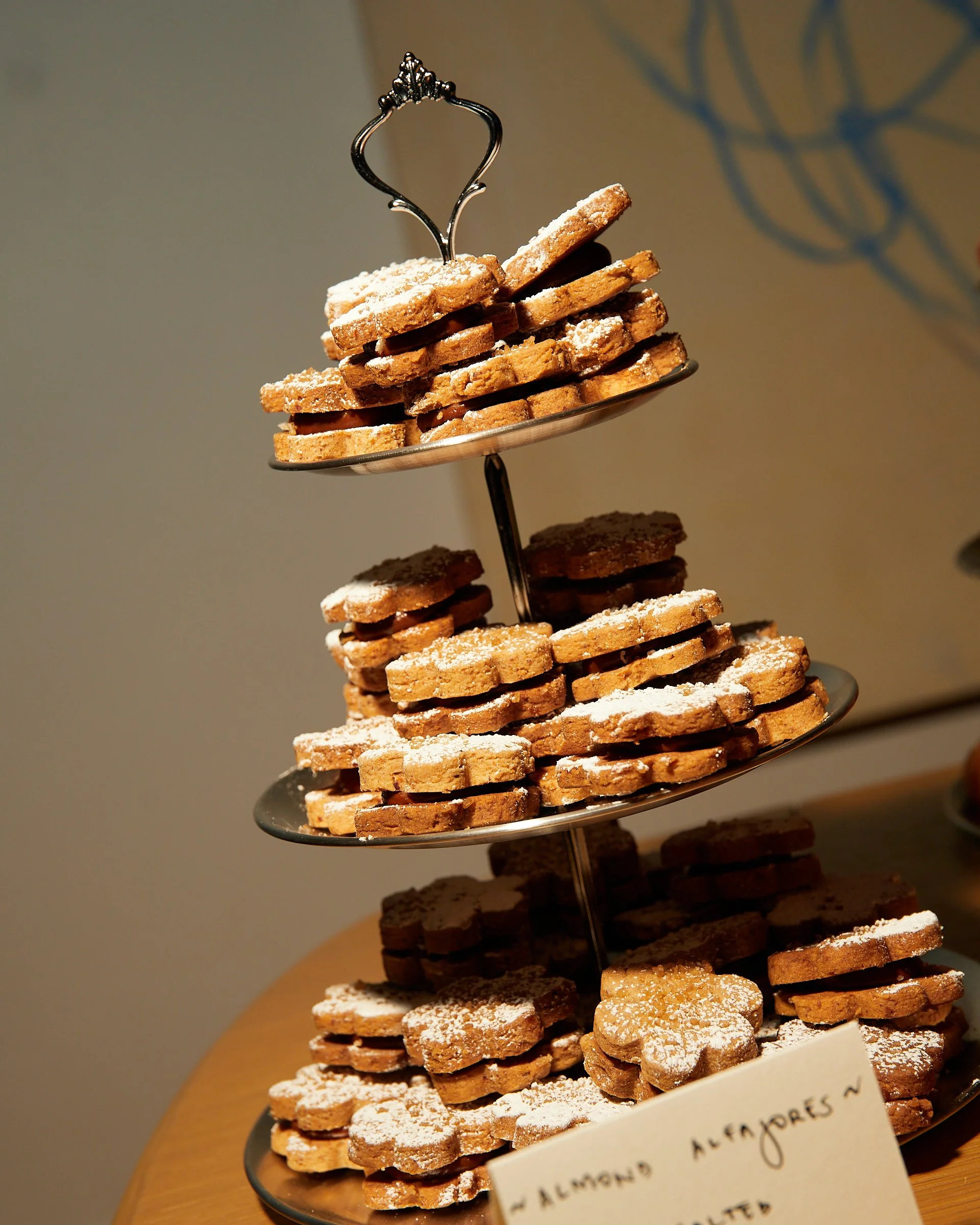
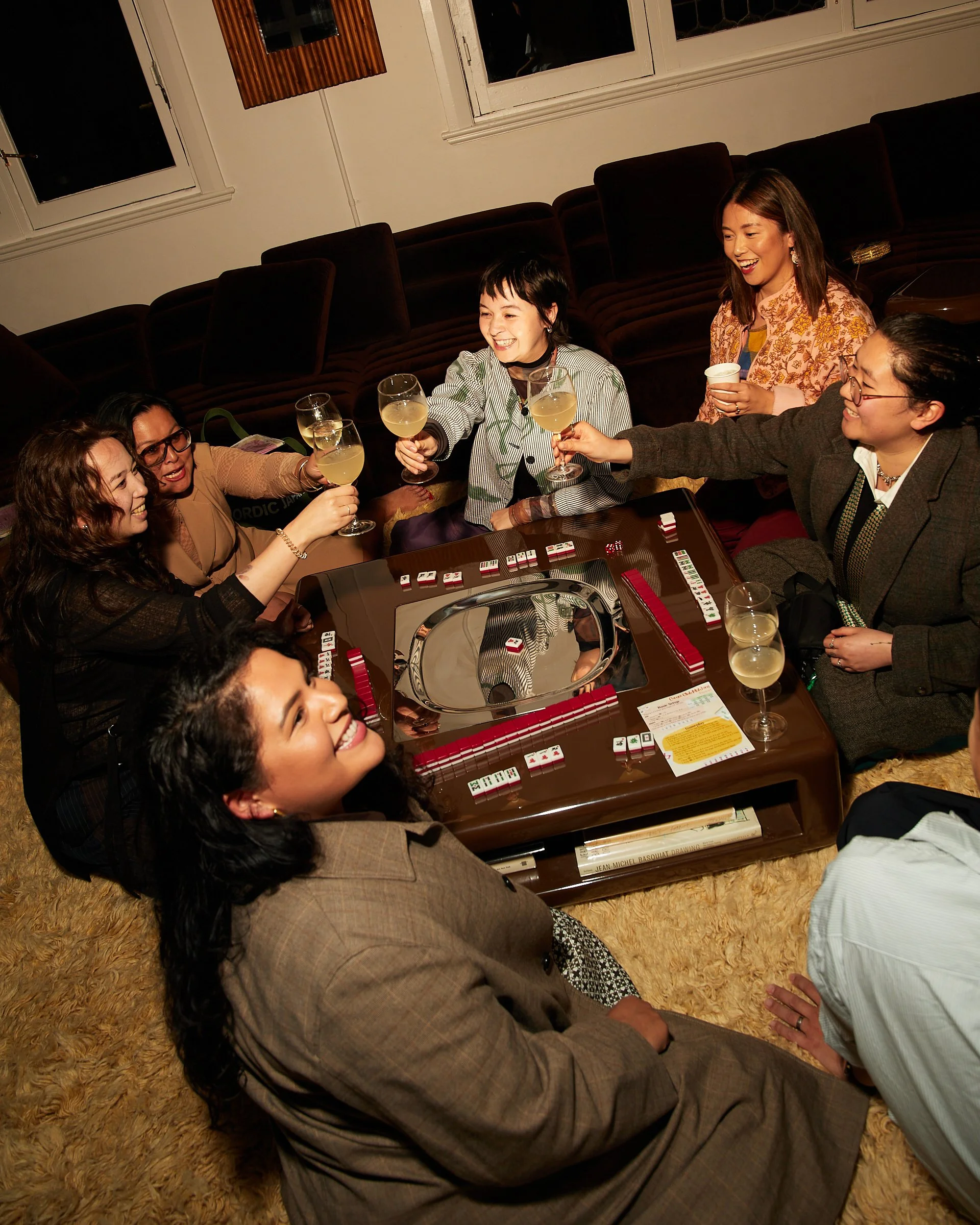
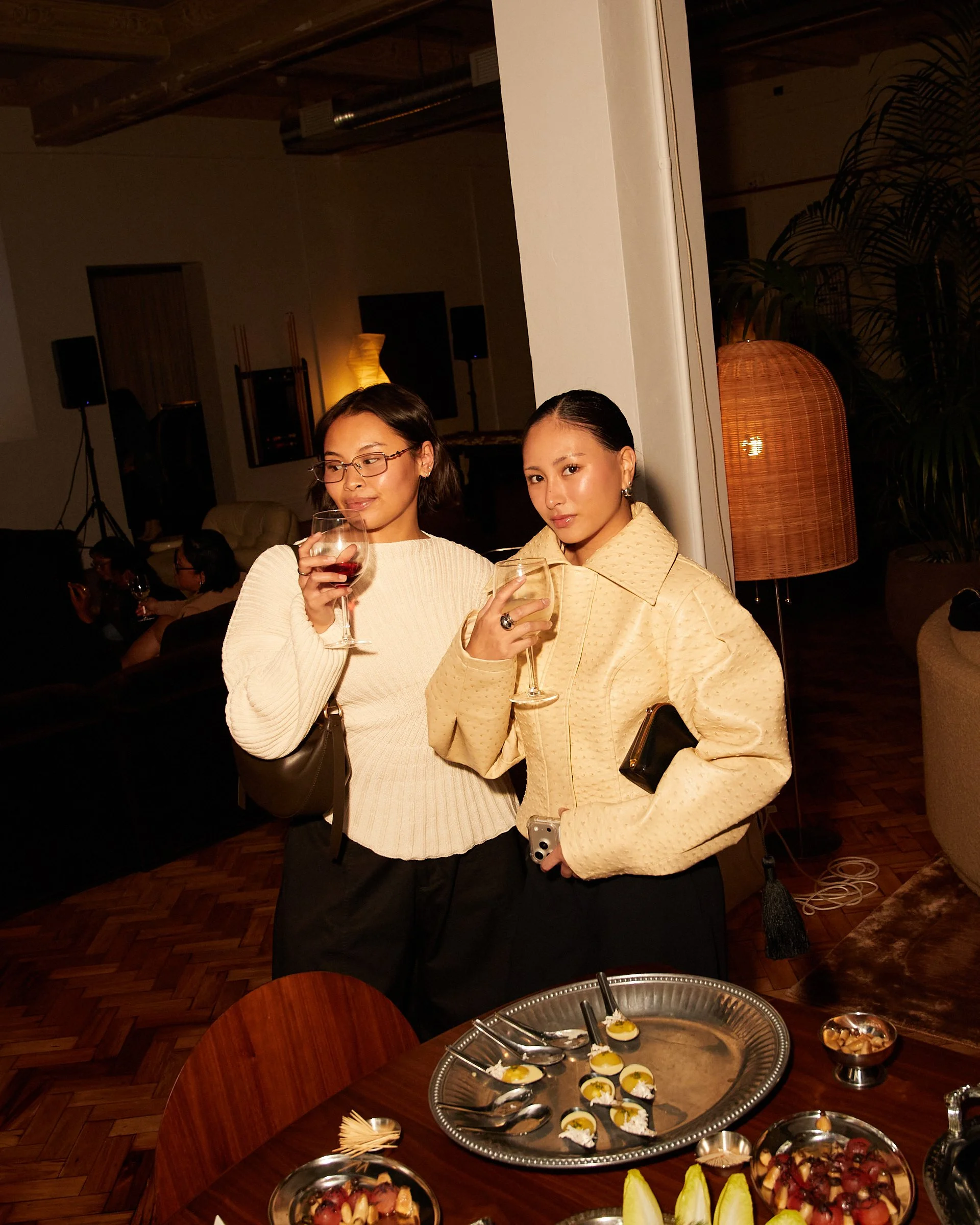
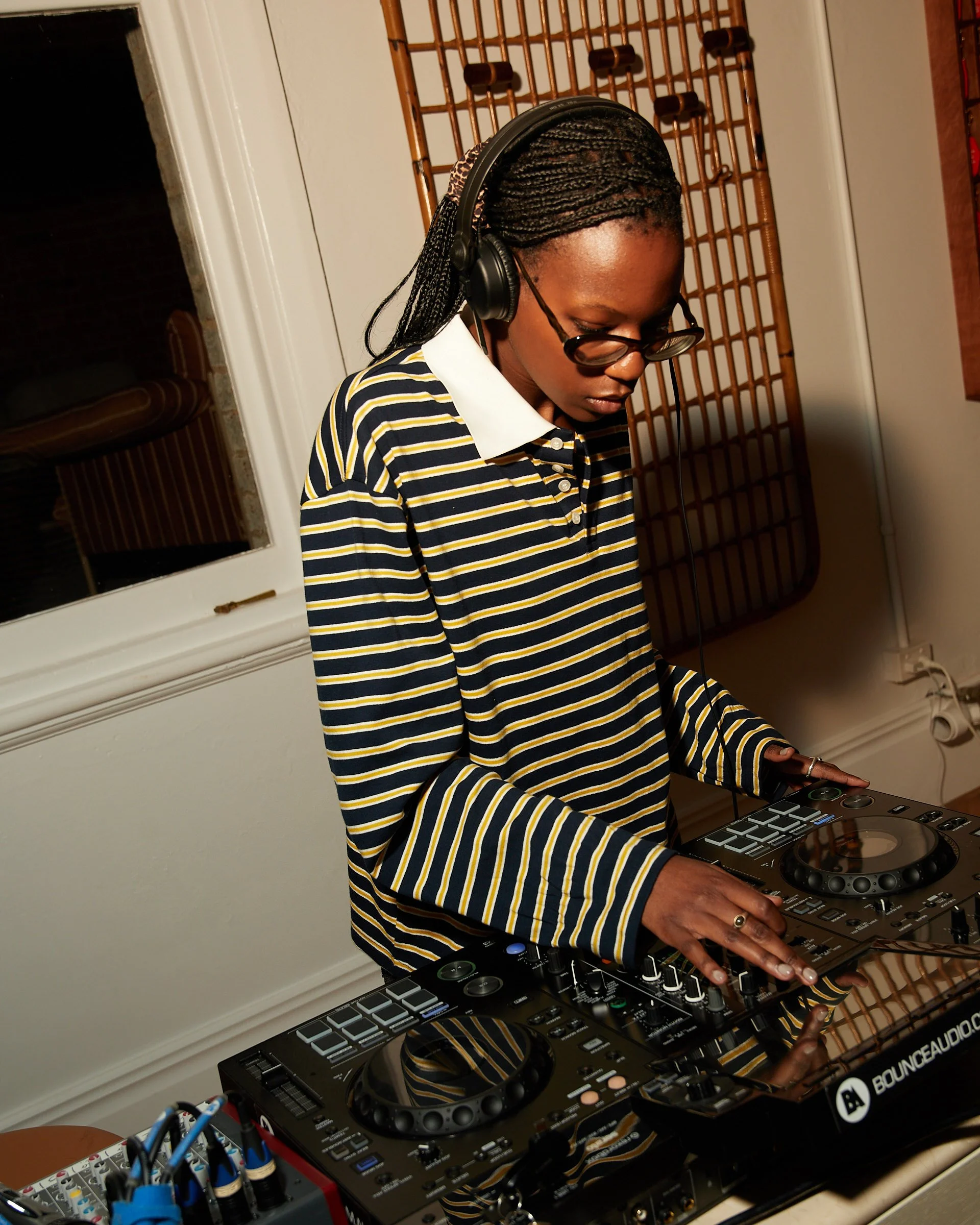
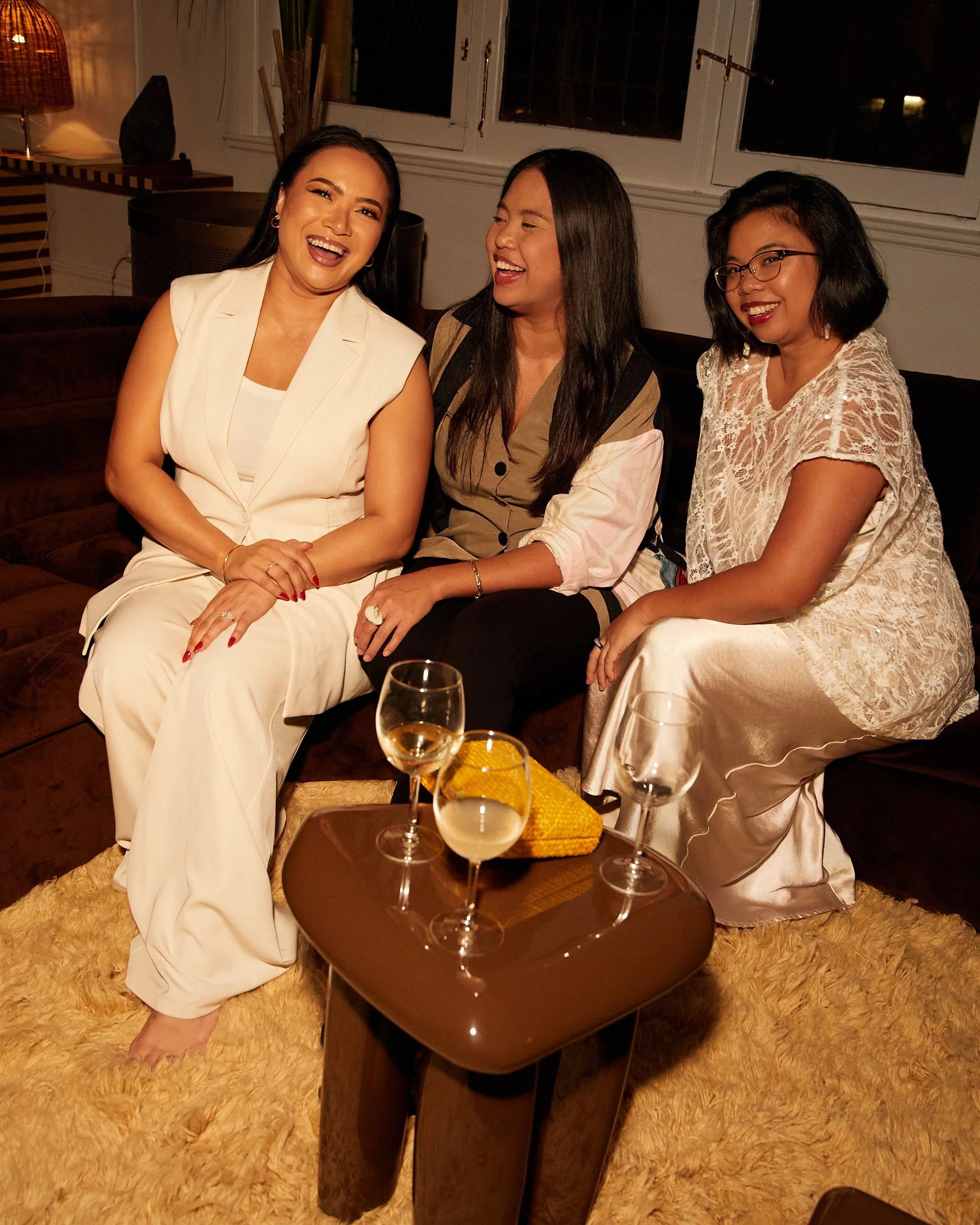
As guests arrived, Abigail Eng and Luke Poh of Supper Hour transformed the dining spaces into grazing tables with an imaginative menu. Grace Guinto of Sweet Cora added Filipino sweets to the spread. Chi Chi Makwaza and Kudzai Dionne settled in behind the decks. The crew from Congee Club arrived carrying Mahjong tiles, setting up shop on the coffee table at the centre of the conversation pit-style sofa.
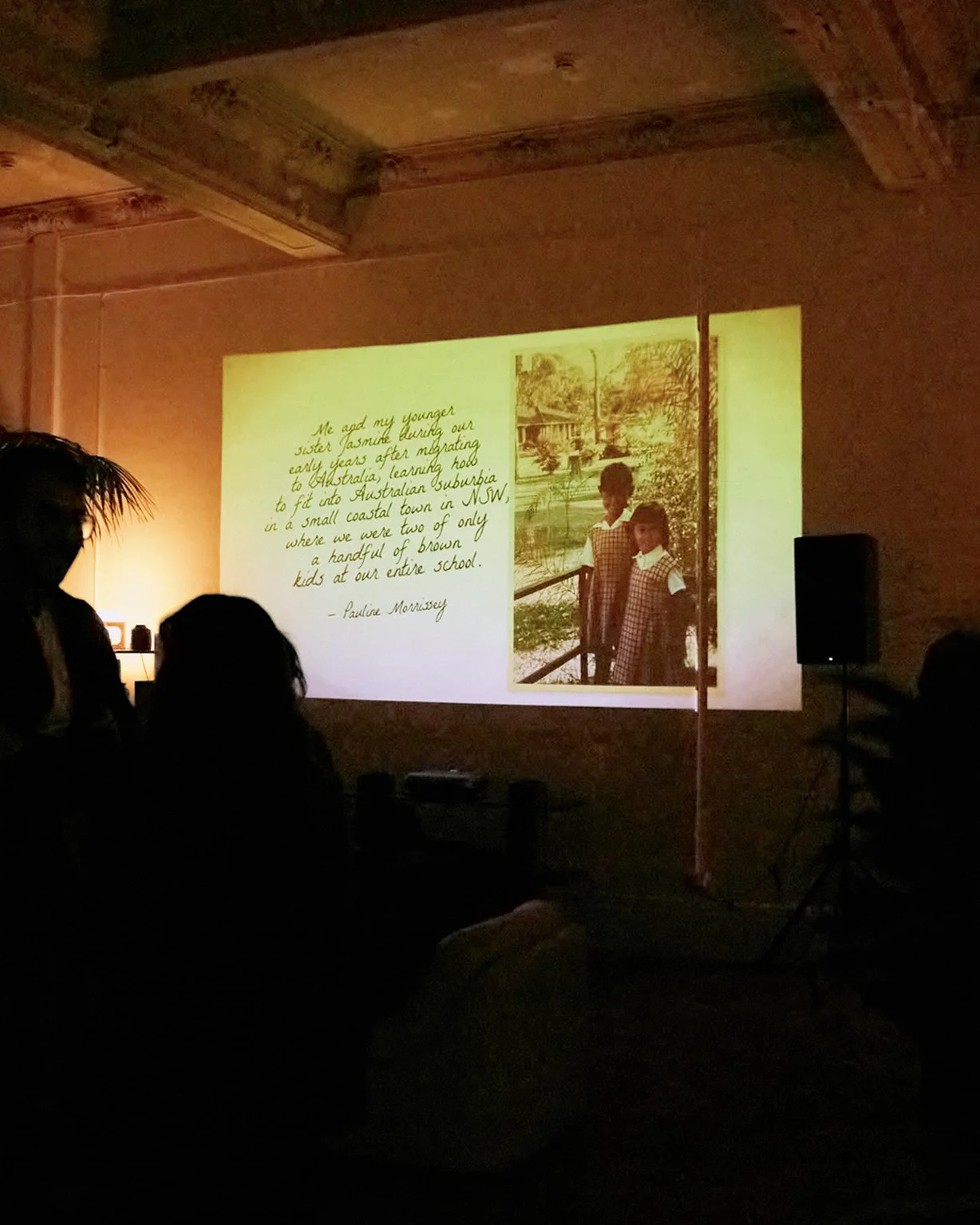
Meanwhile, across the room, Tyron Tran's Migrant Photo Album flickered to life, filling the walls with family photographs, childhood memories and migration stories. Then there was our photographer, Carlin Stephenson, moving calmly through the crowd and making sure everyone had their moment in the spotlight.
The Lobby itself felt symbolic.
This temporary concept space by Ellison Studios has hosted magazine launches, Melbourne Design Week events and gatherings for some of Australia's most recognised creative brands and publications.
And there we were. A four-month-old platform, invited into the room.
That invitation came through a relationship built over time. I've written about Ellison Studios for many years, and when I pitched the idea via email, it took only a couple of hours for them to say yes. No requests for justification. No convincing required.
During the evening, one guest said to me, “I would've been happy rocking up to a community hall, but THIS is amazing!” It made me laugh. But I knew exactly what they meant.
There's nothing wrong with the community hall they were imagining. Many of us have spent years building community and showcasing meaningful work in multipurpose rooms, borrowed venues and wherever space could be found.
But this felt different. Not because the venue mattered more than the people inside it. Because for once, people who might not ordinarily find themselves invited into a space like this weren't attending as observers or an afterthought.
They were the reason the gathering existed in the first place.
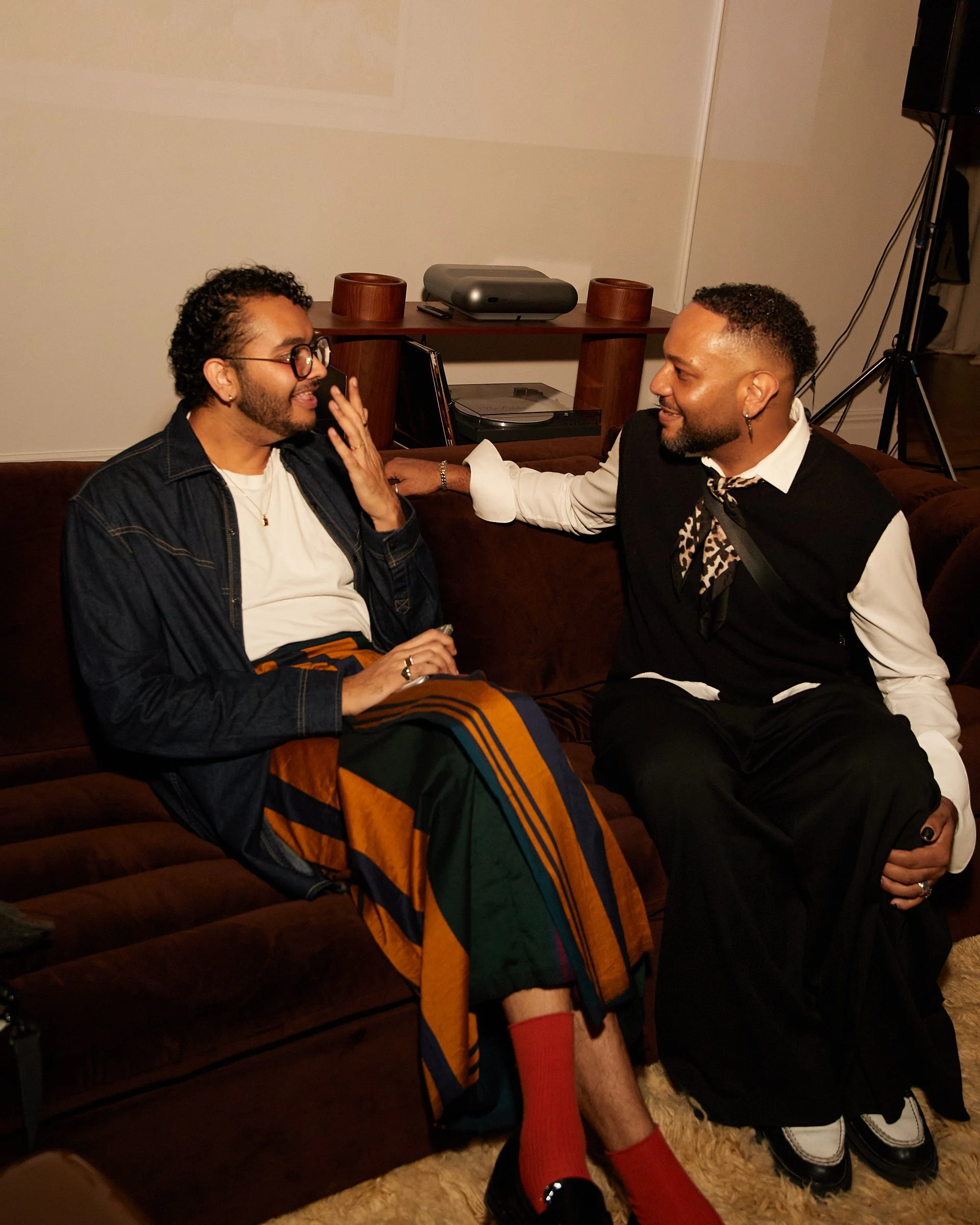
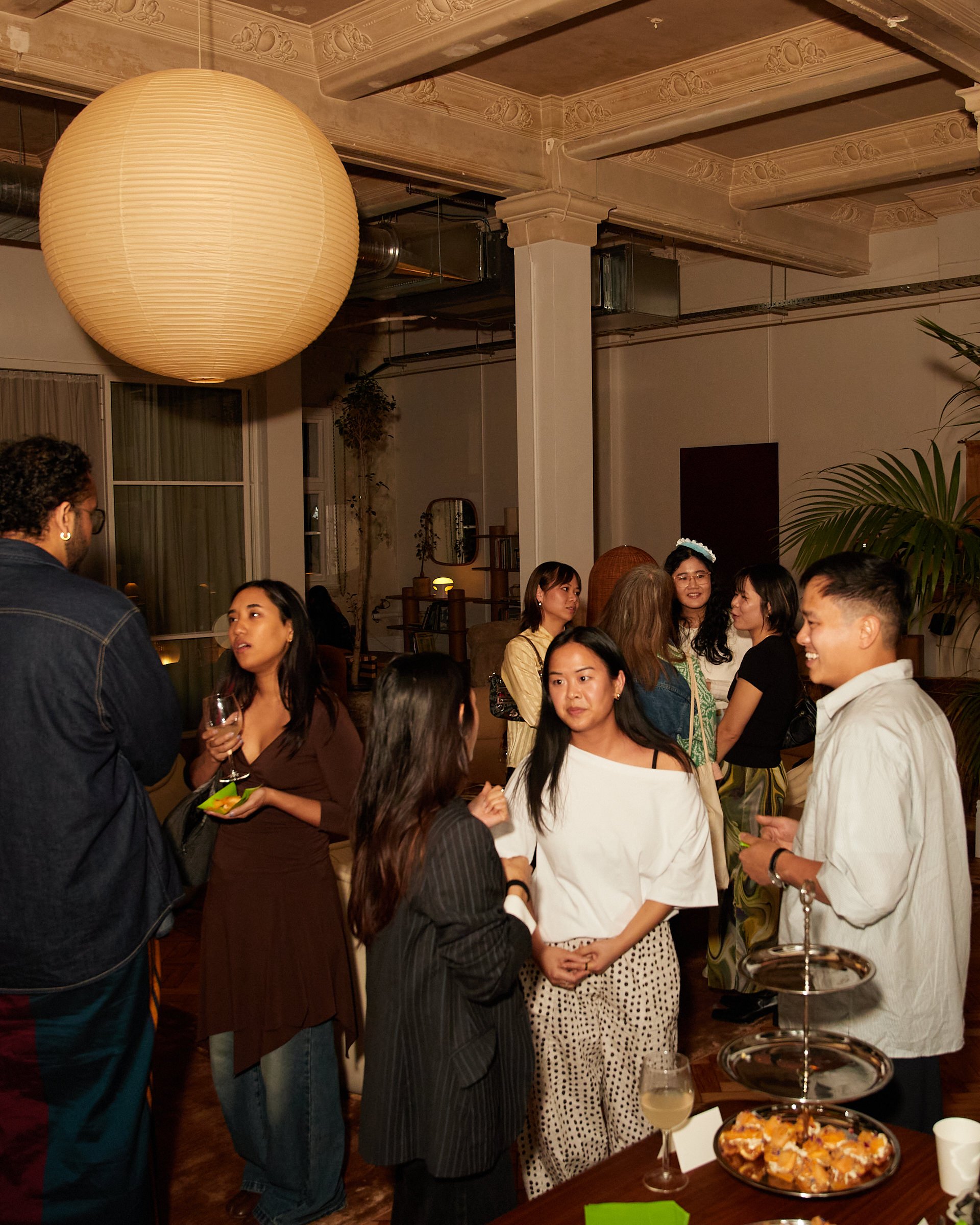
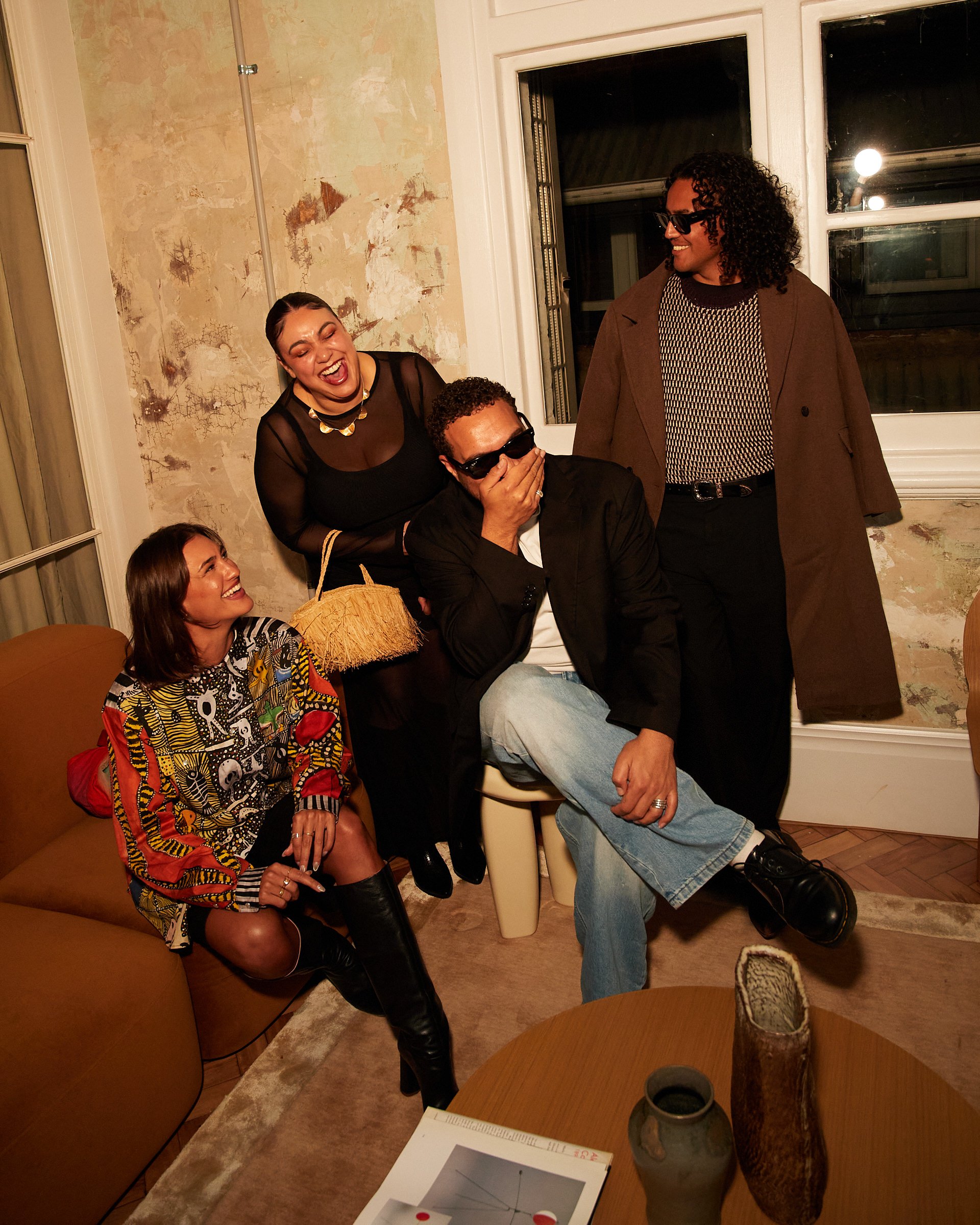
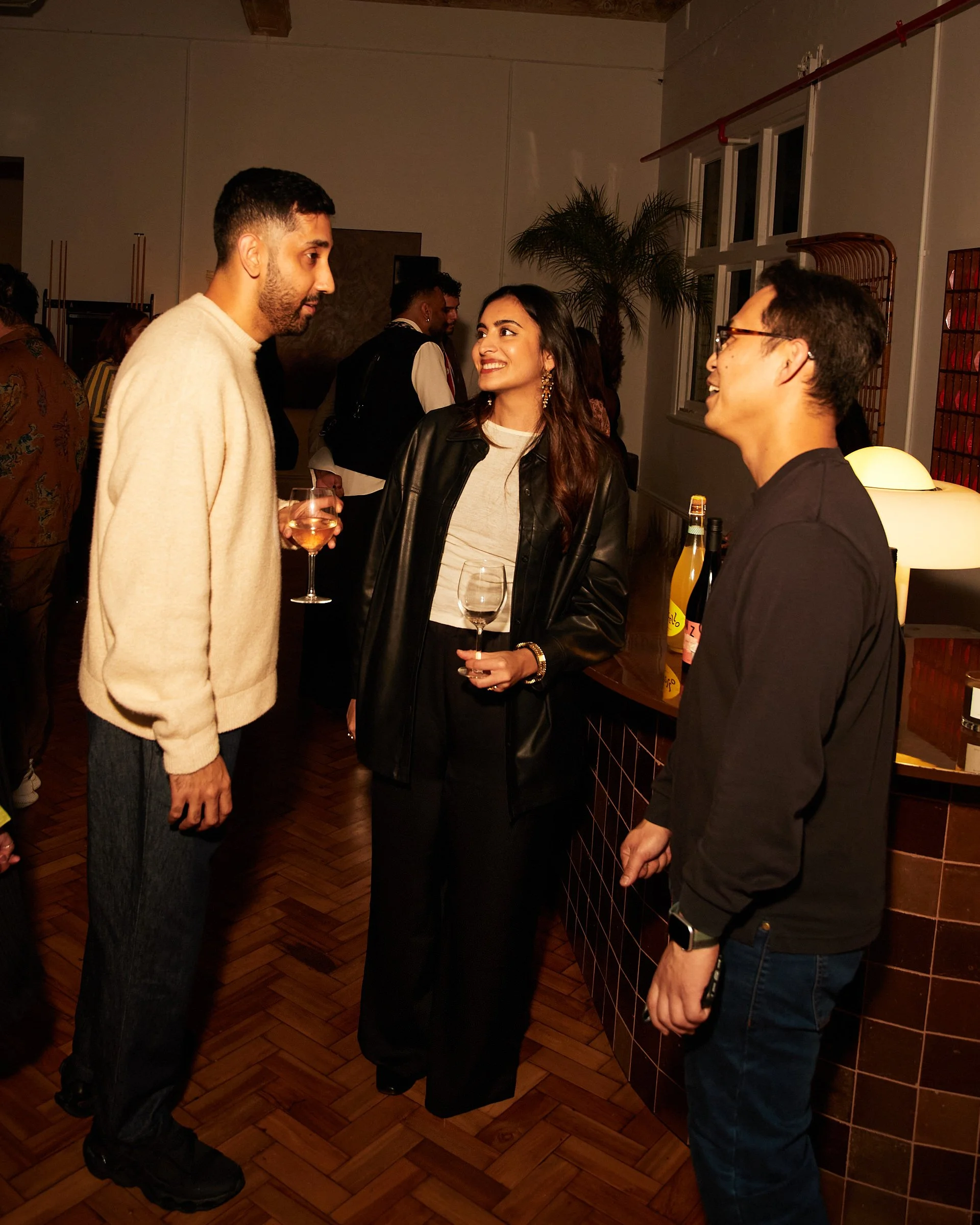
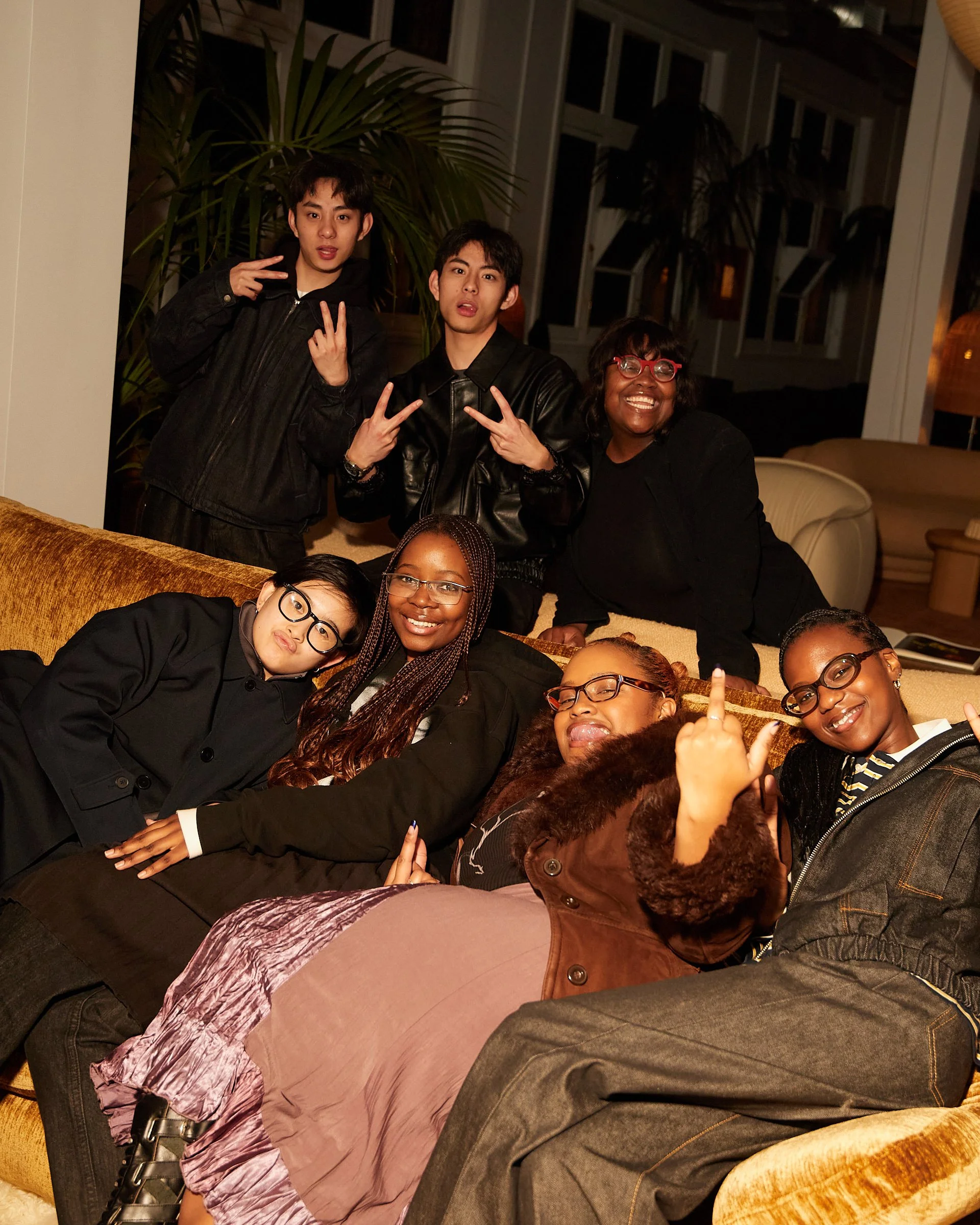
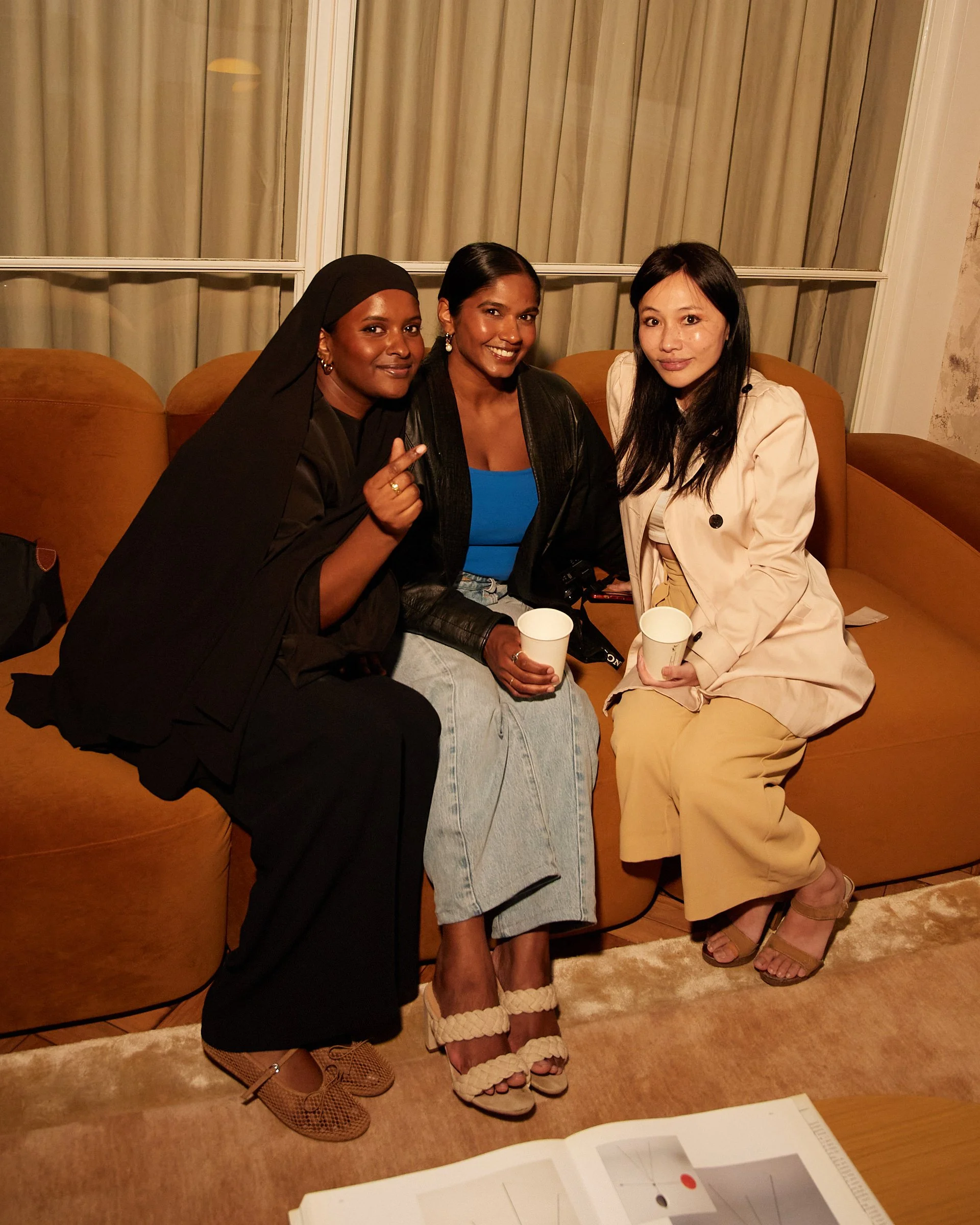
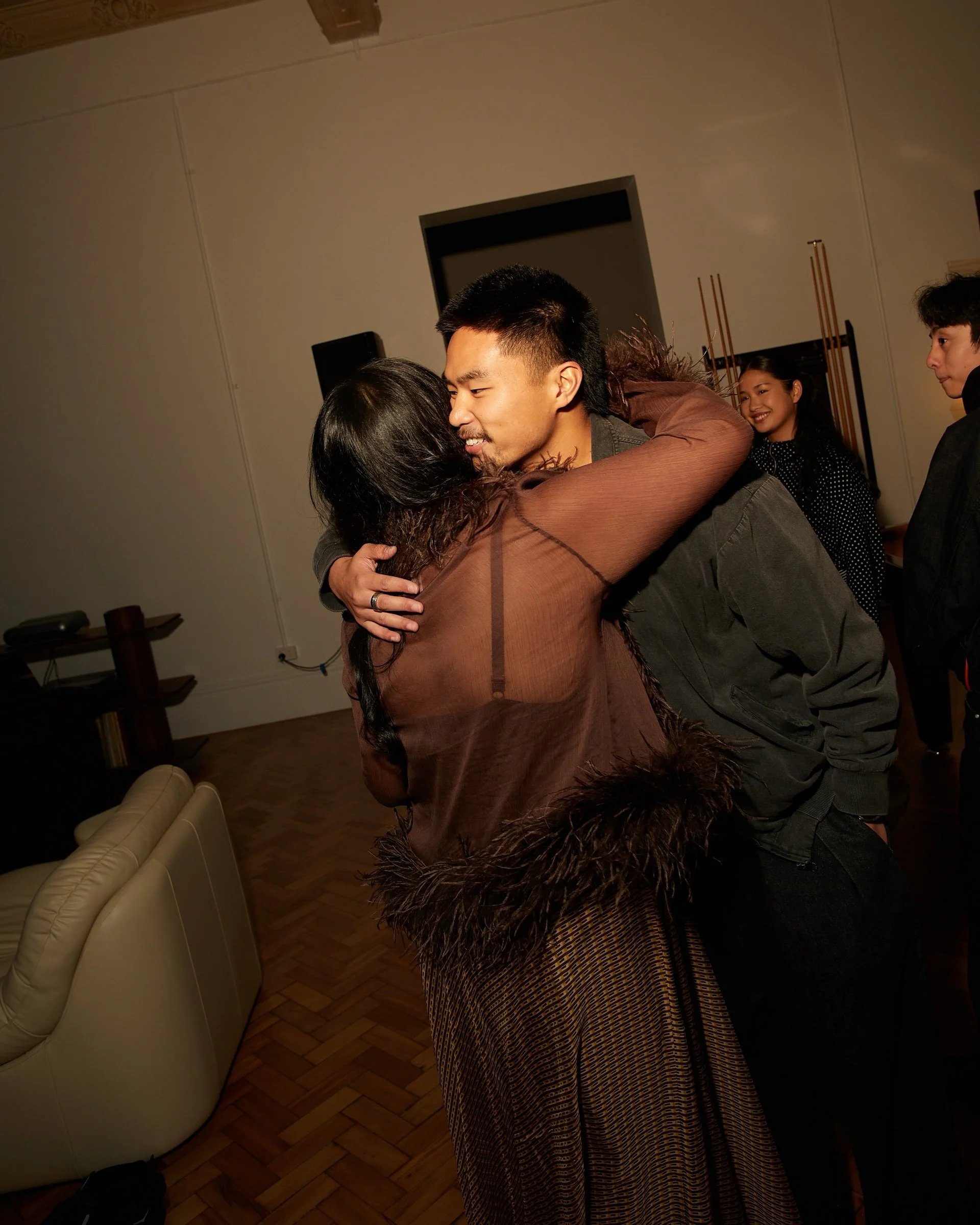
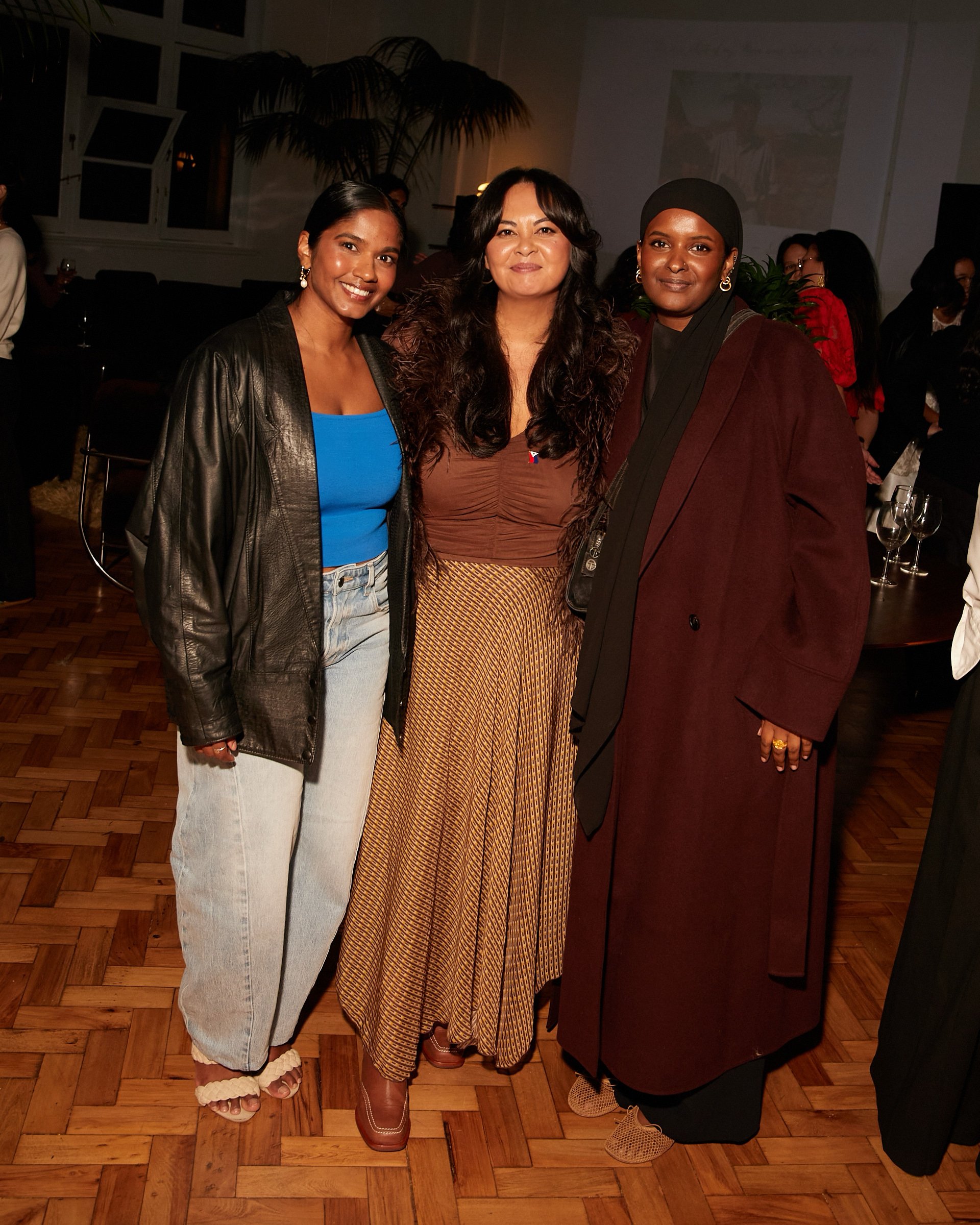
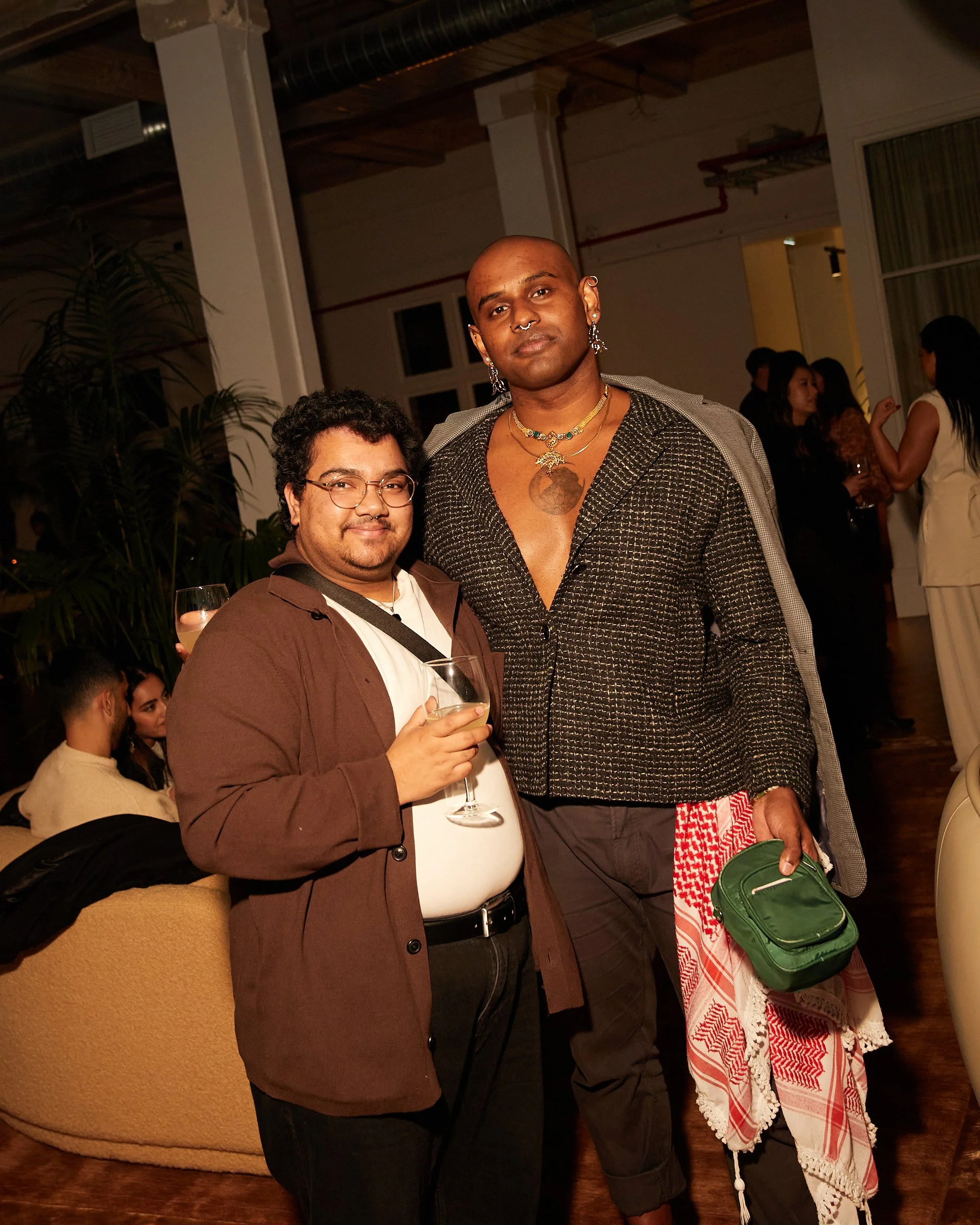
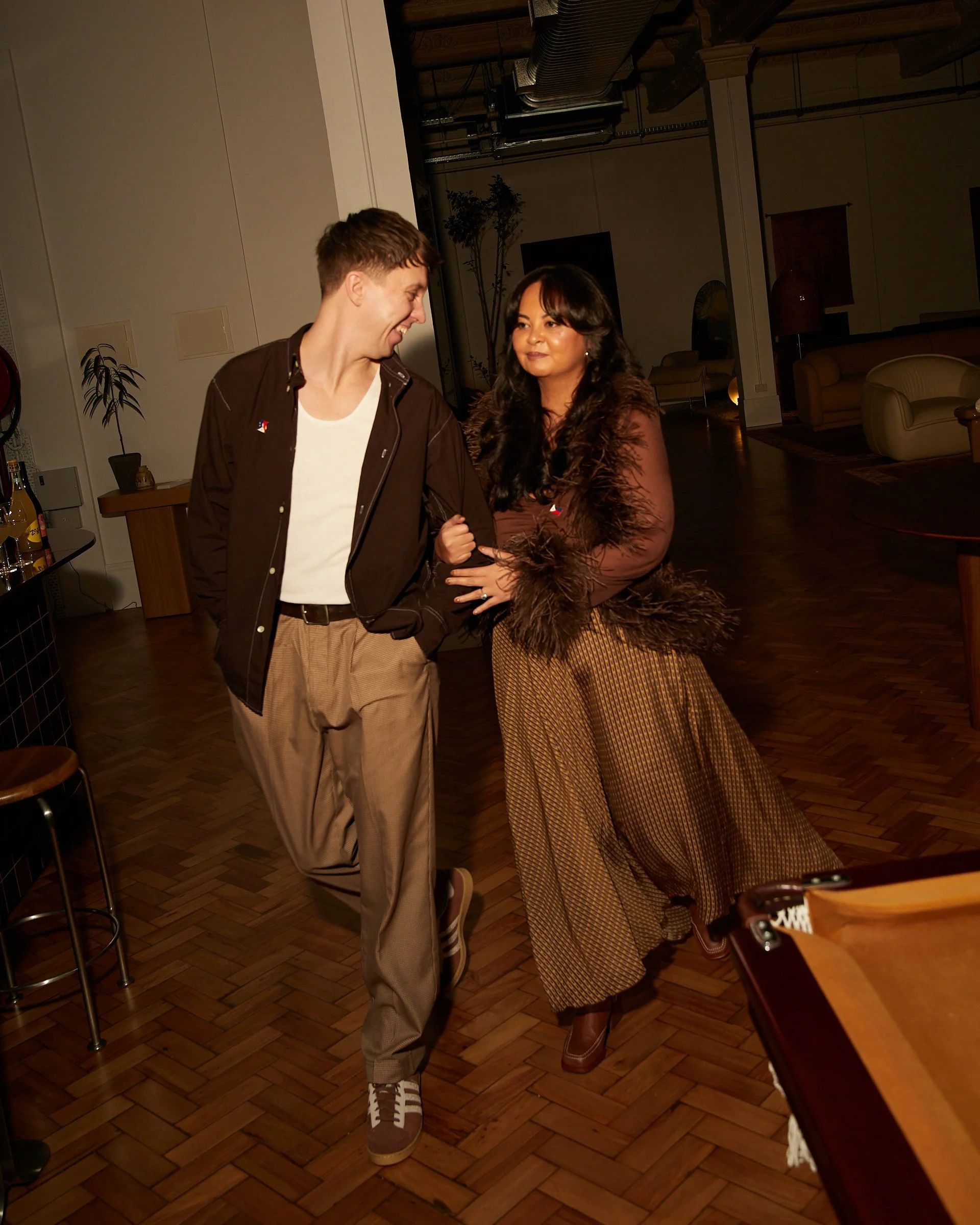
The best way I can describe the atmosphere is this: it felt less like an industry event and more like a family reunion. Not the awkward kind. The good kind. The kind where somebody you've only just met starts recommending opportunities, sharing advice or introducing you to somebody else across the room.
At one point during the evening, Parth Rahatekar casually mentioned to me that they were an only child. Without thinking, I told them they could call me ‘Ate’, meaning ‘older sister’ in Tagalog. But every Filipino reading this knows it means much more than that. It means protection, guidance, kinship and family.
Later in the evening, Carlin and Joyce Liu started referring to me, the straightest woman in all the land, as “Mother”. Beneath the humour, I felt very honoured. Not because of the title itself, but because members of our BIPOC queer community saw me as someone who creates space, offers guidance and helps people feel welcome.
These are just two heartfelt moments I happened to witness. I smile when I think about the many others that unfolded beyond my line of sight.
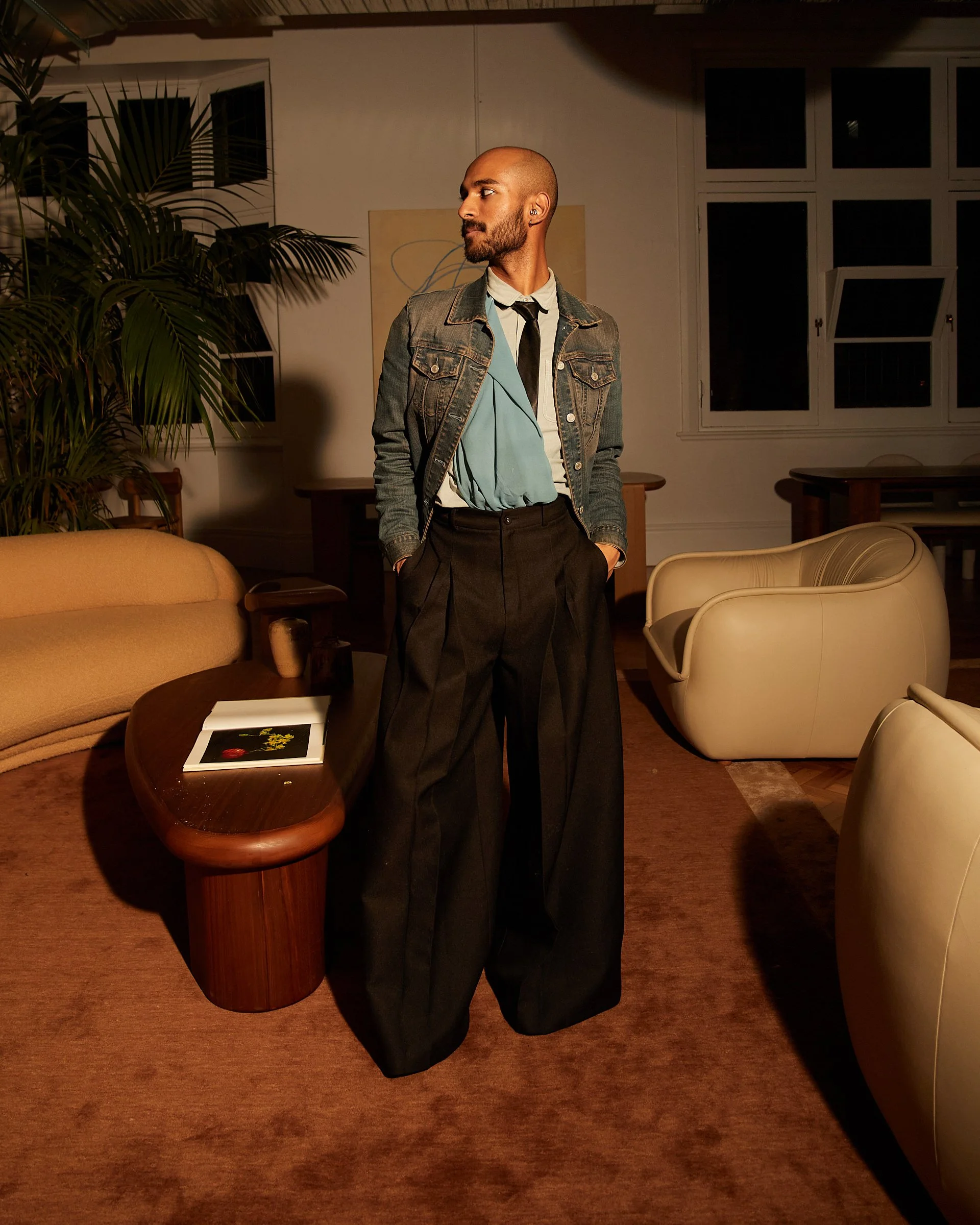
Then came the panel.
I've spoken openly about my fear of public speaking, and since I didn't want to add “overcome lifelong fear of public speaking” to my event checklist, I turned to my community. Moderated by Grace Guinto and featuring Parth Rahatekar, Bella Loke, John Gatip and Connie Cao, the discussion explored representation, visibility and confidence.
Parth challenged the audience to think beyond representation and "gun for ownership", questioning why representation has shifted from a tool for transformation into a means of placation. Bella reflected on Australia's unique position as a diverse nation still writing its cultural blueprint. The room laughed when she joked that her Malaysian father has the thickest Australian accent she knows.
John turned the conversation towards design and craft, speaking about the importance of recognising the origins of materiality and knowledge that existed long before colonisation. Connie closed on an inspiring note, sharing that imperfection is often what allows us to connect. The room erupted when she shared that one of her greatest teachers is her vegetable garden and that she still loves the imperfect bok choy, even after a caterpillar has taken a bite out of it
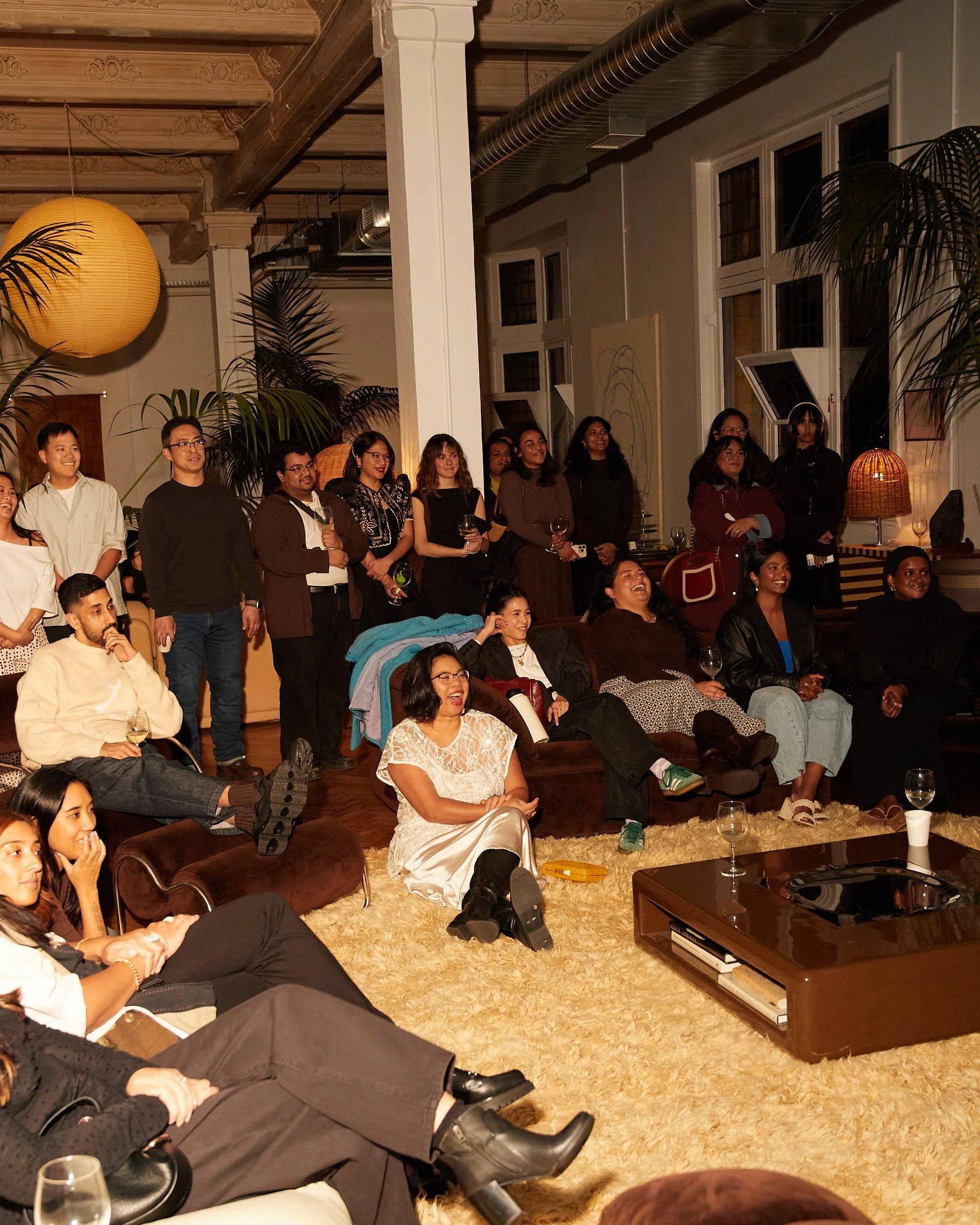
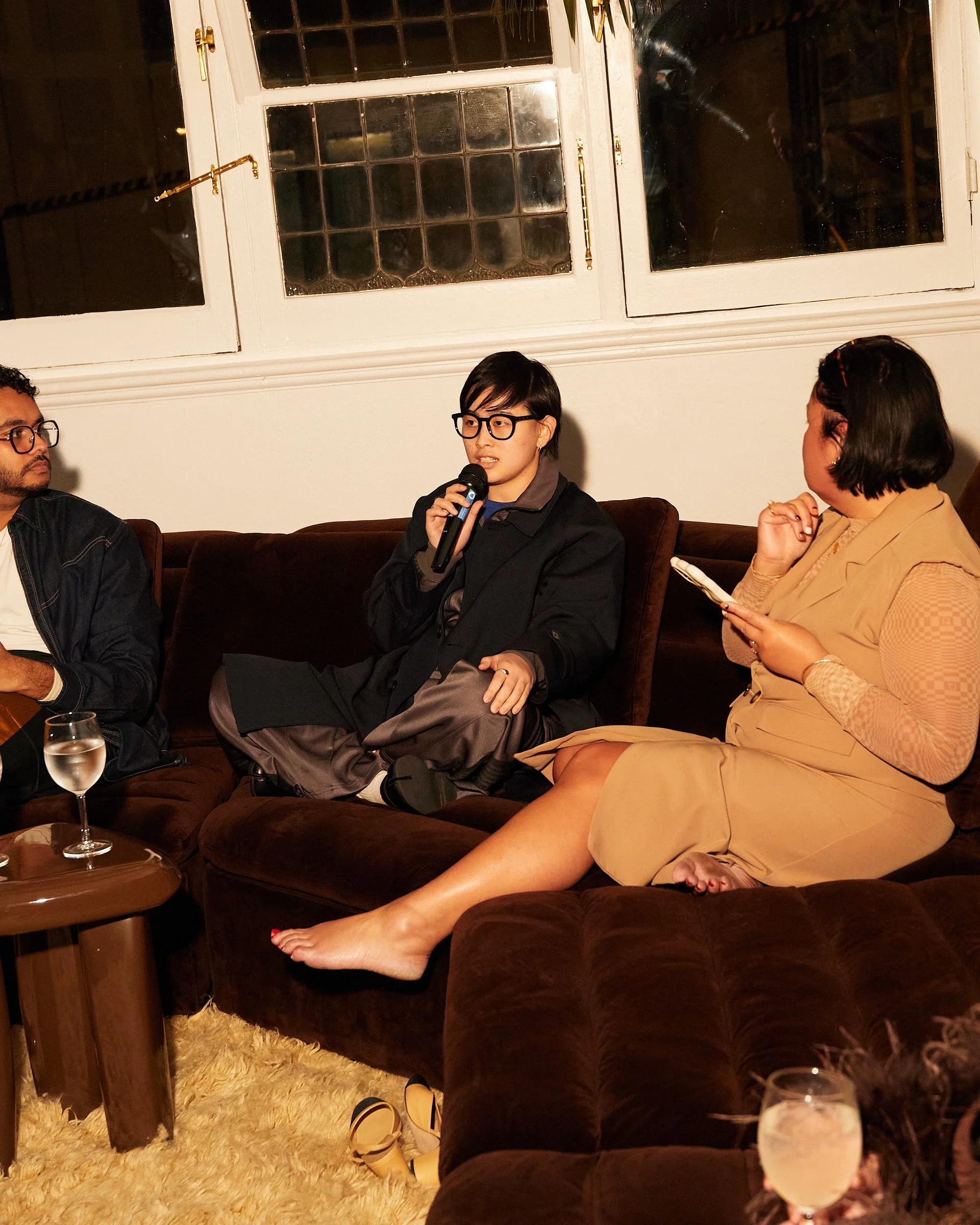
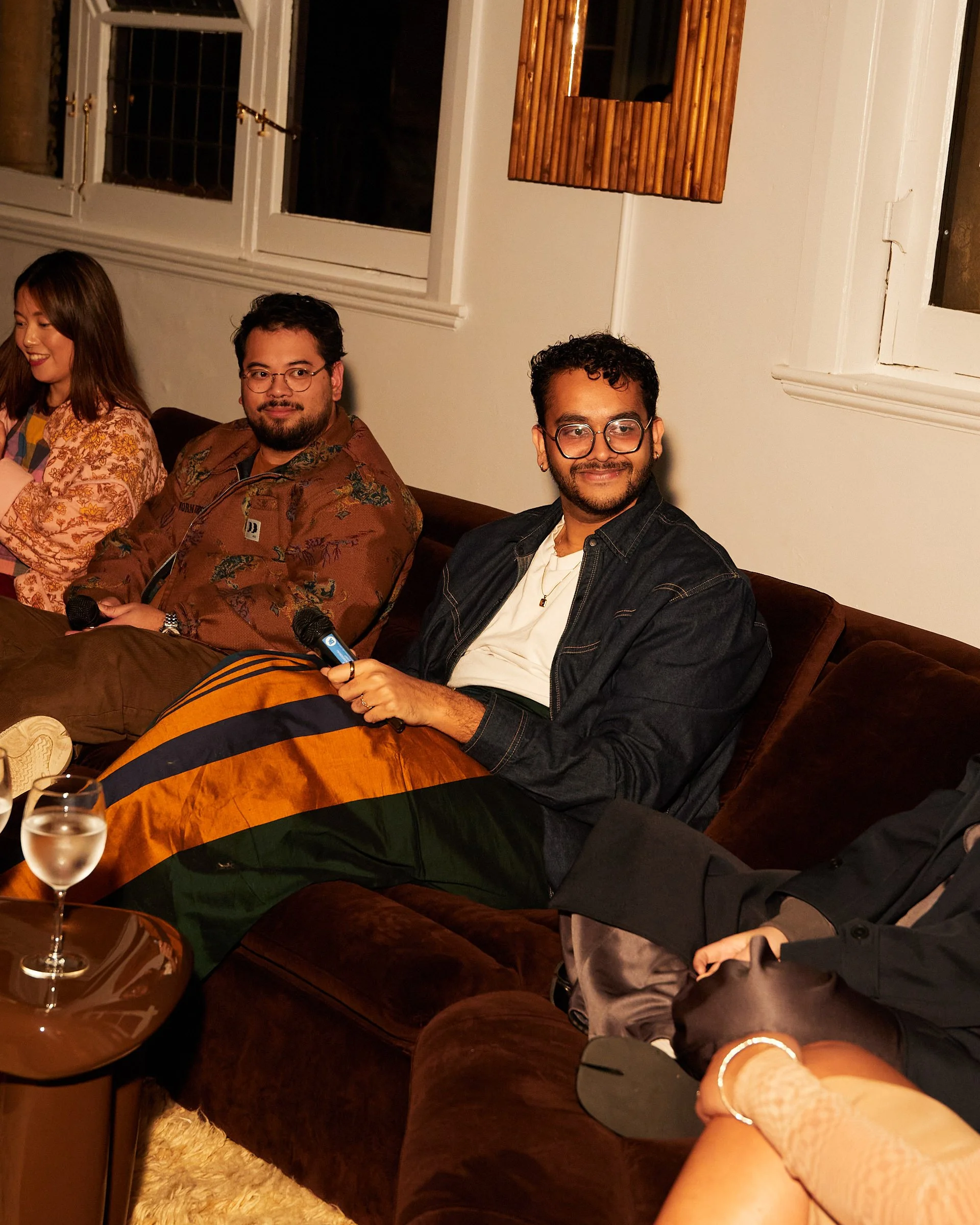
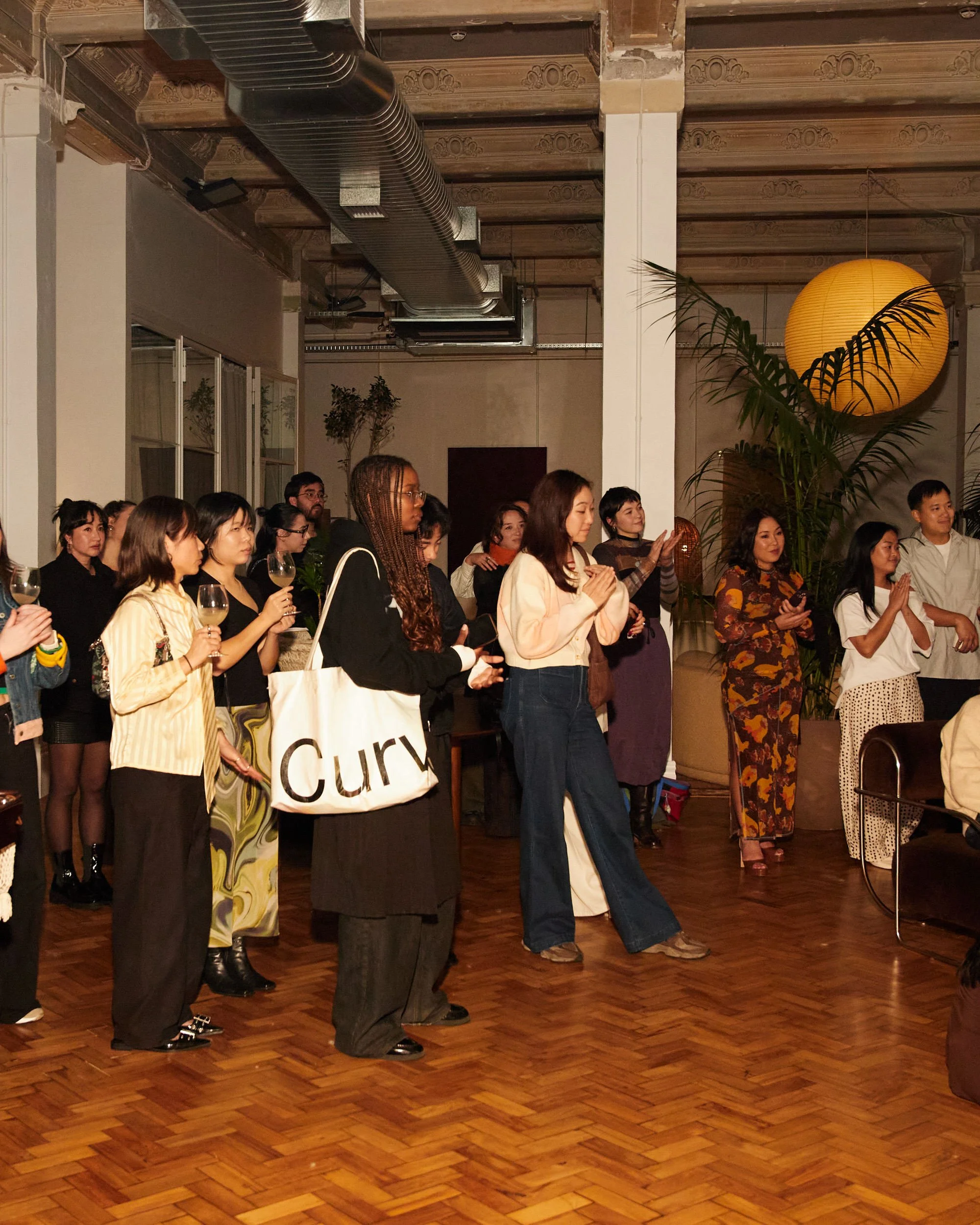
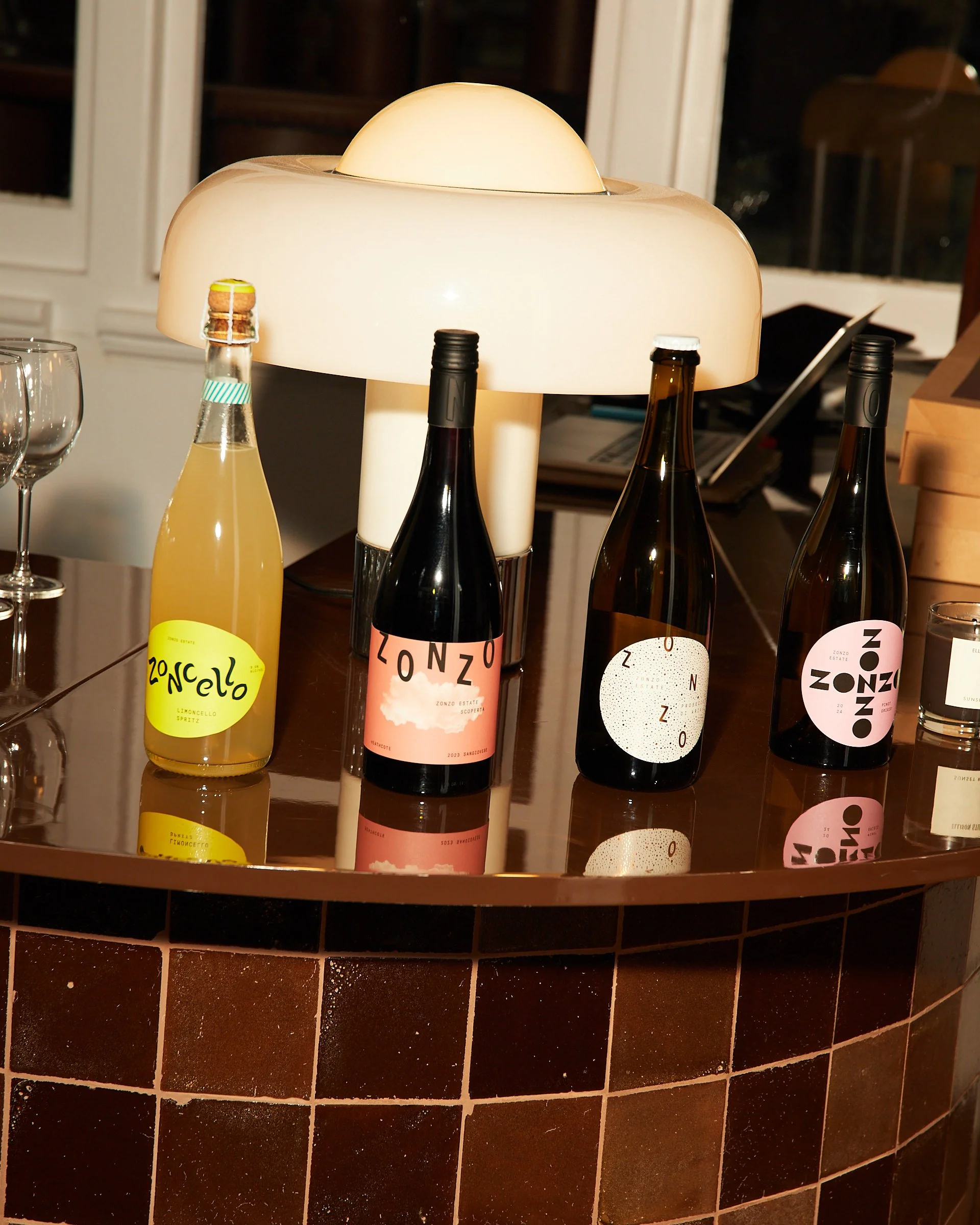
Deep in conversation throughout the evening, I barely had time to look up. But whenever I did, I could spot guests drifting between the grazing table and the bar, returning with glasses of Zonzo wine and spritz in hand.
Every so often, somebody would stop mid-conversation after recognising a face illuminated across the wall. A parent. A grandparent. A younger version of themselves. A reminder that none of us arrived here alone.
There is a particular comfort that comes from being in a space where you don't have to explain yourself before introducing yourself.
Nobody was performing. Nobody was code-switching. Nobody was trying to convince anyone they belonged. They already knew they did.
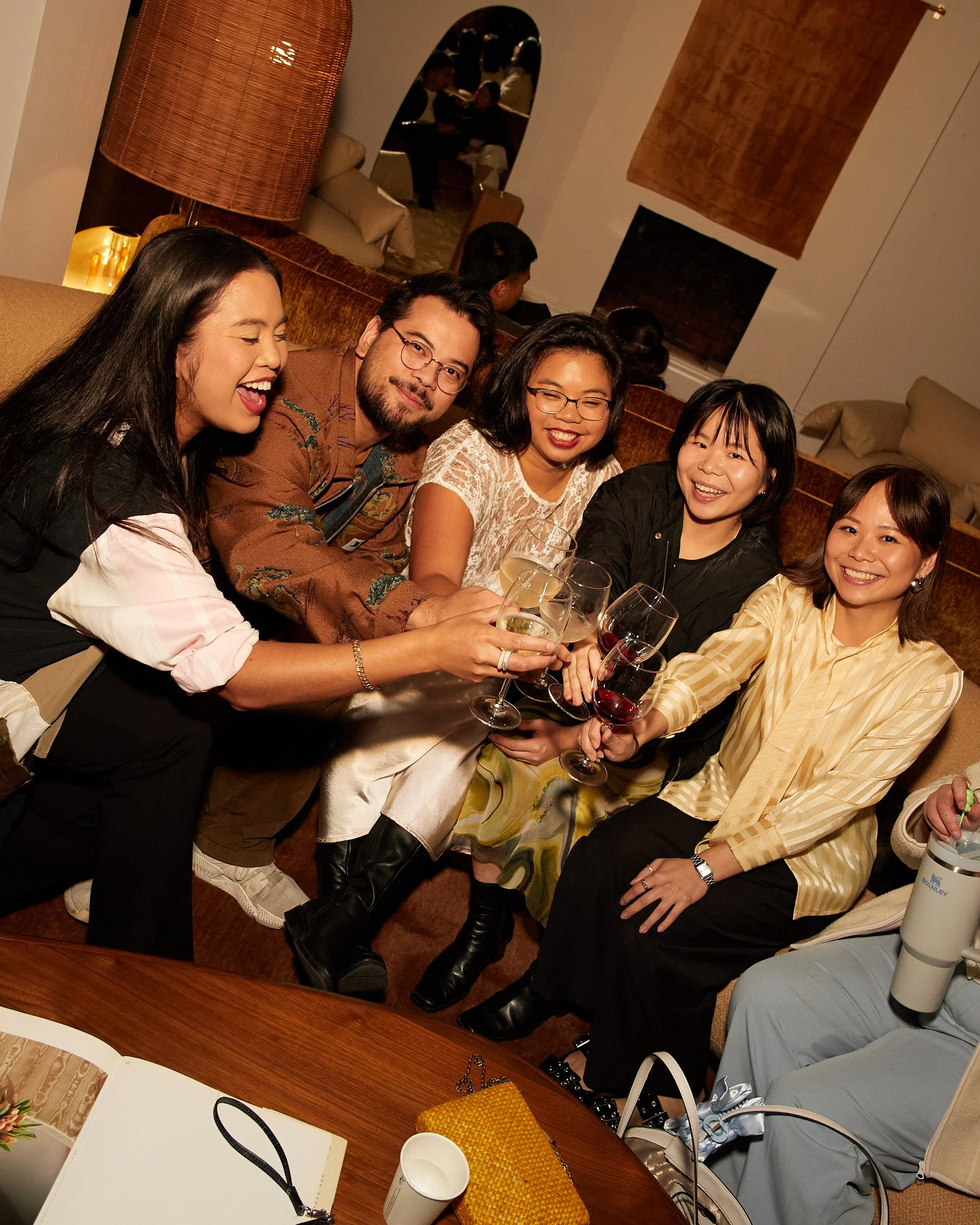
In the lead-up to the event, I had spent considerable time inviting people from across Australia's media, design and creative industries. To be completely frank, very few came.
When the RSVPs weren't arriving, I felt disheartened. I sat in that disappointment for a while. I've been fortunate to build a successful freelance career and have been welcomed into many rooms over the years. Yet now that I was advocating for something larger than myself, the silence felt noticeable.
But I know now that silence was an answer in itself.
I'll save a more candid analysis of industry engagement for another story.
Let's keep it cute for now.
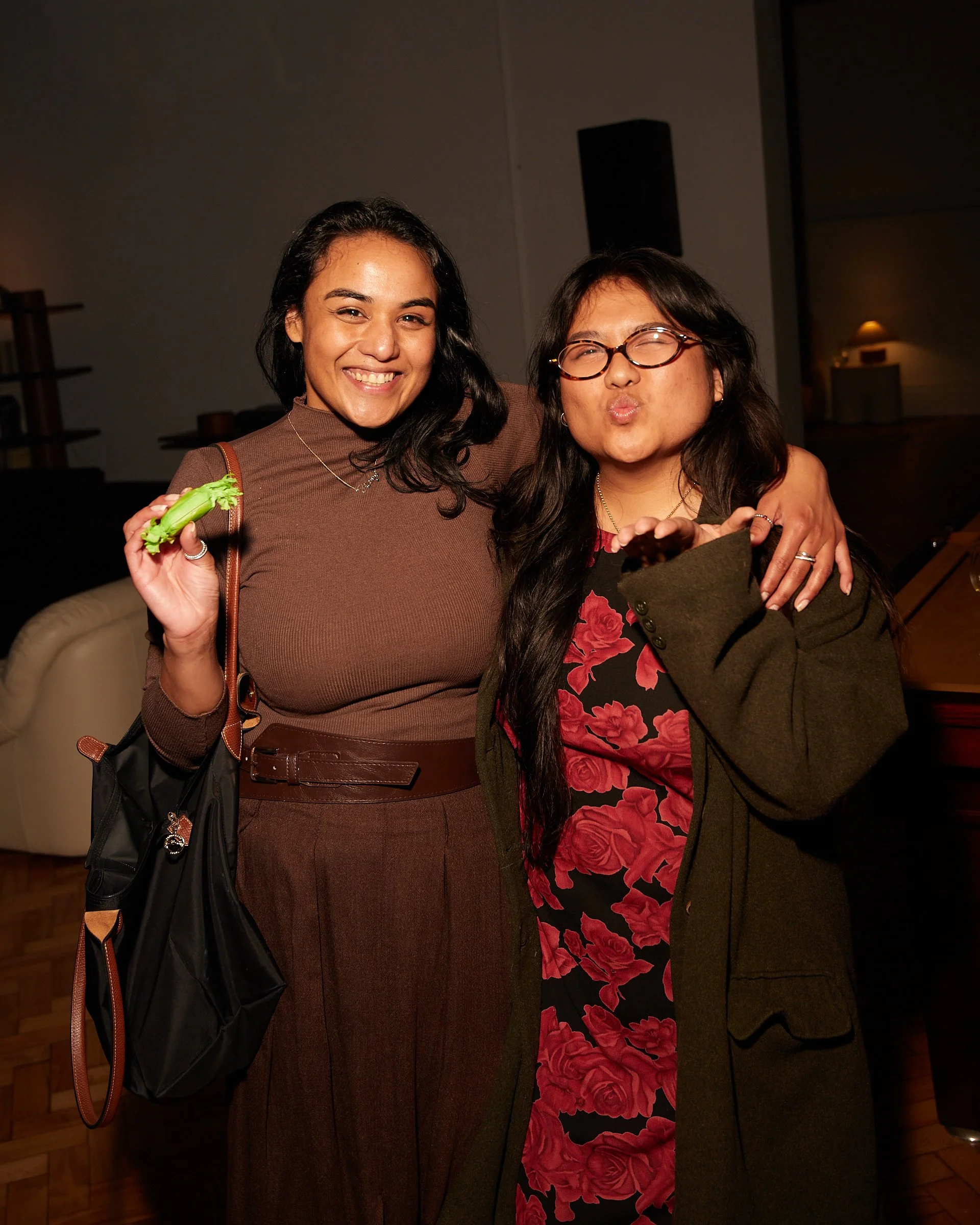
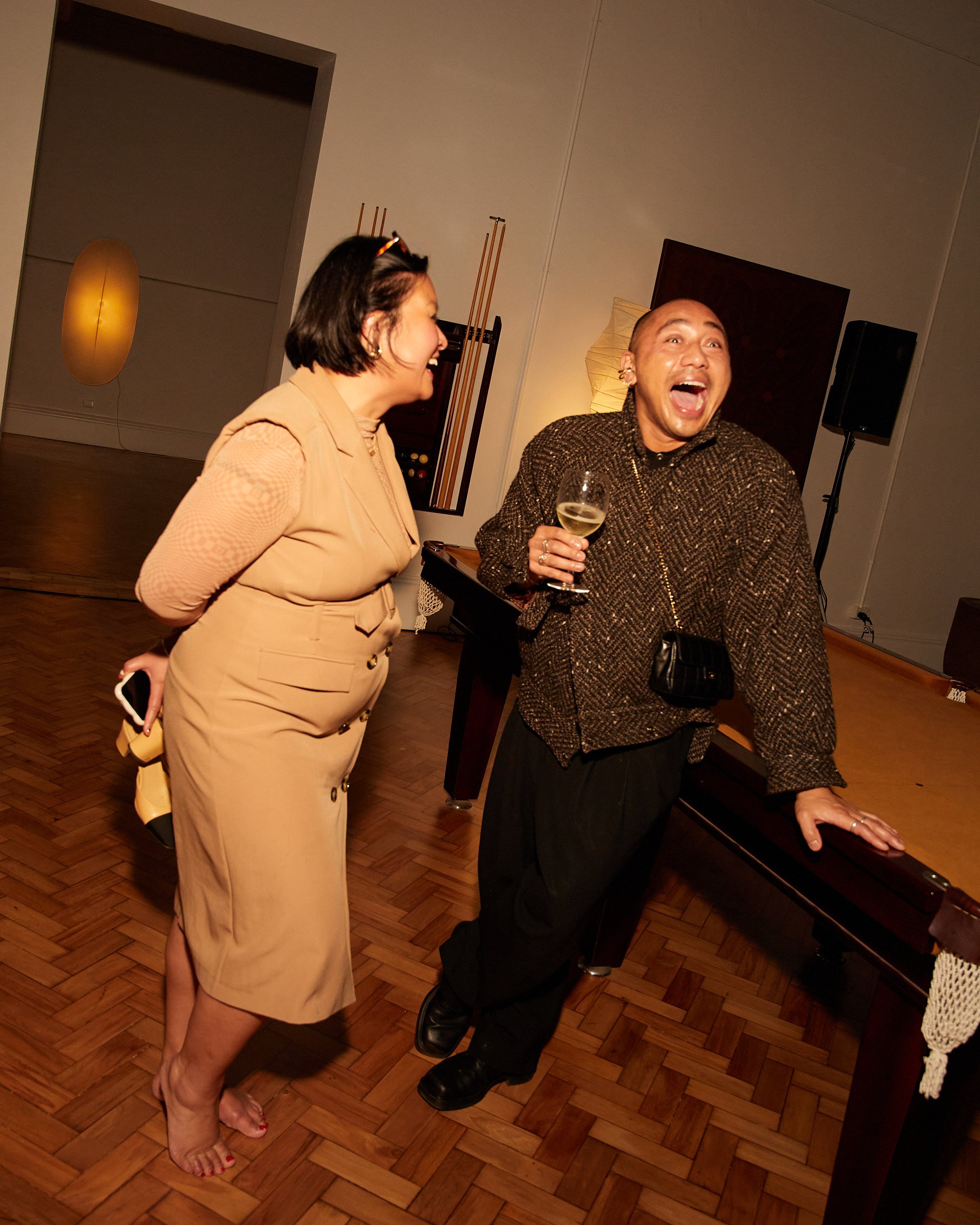
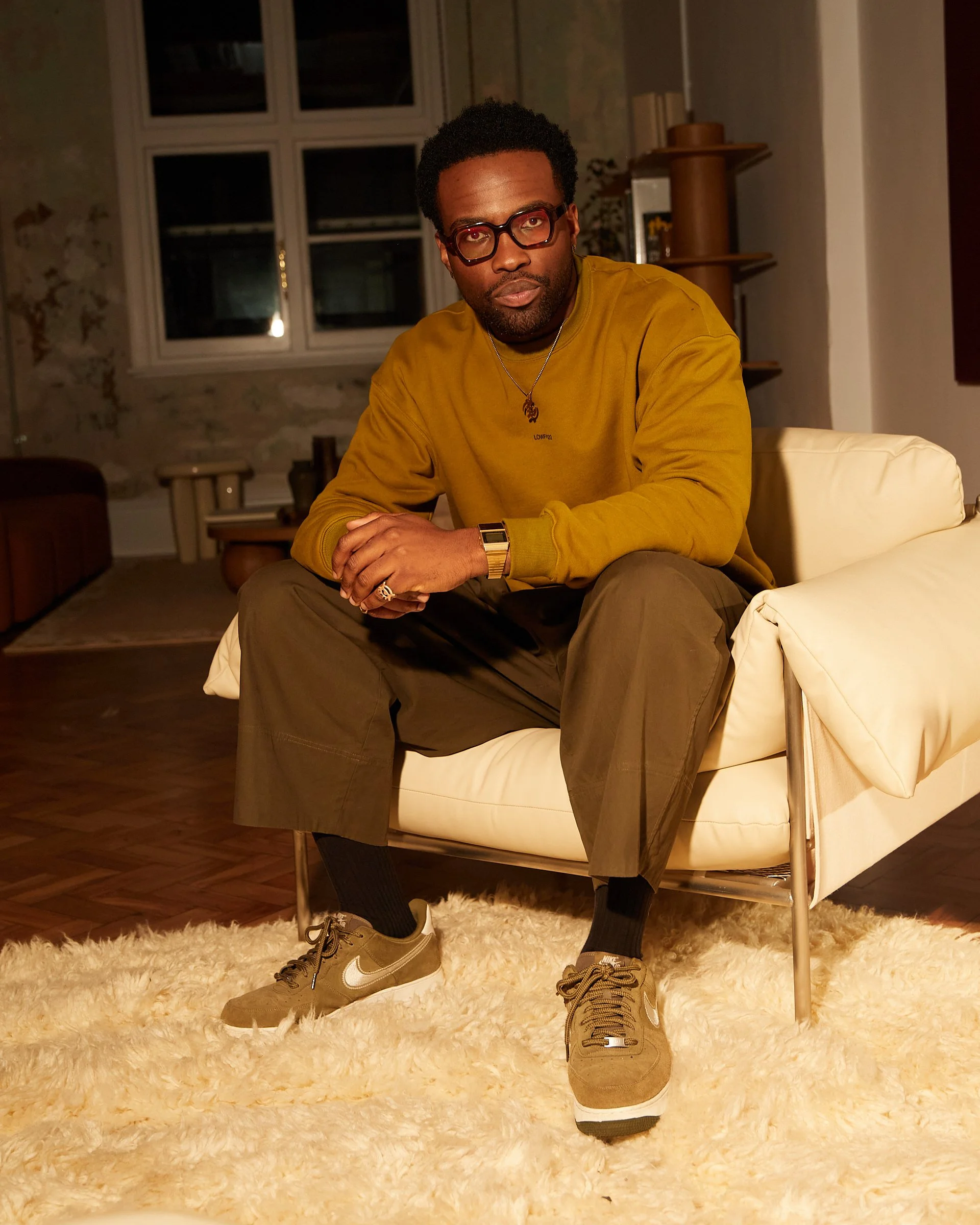
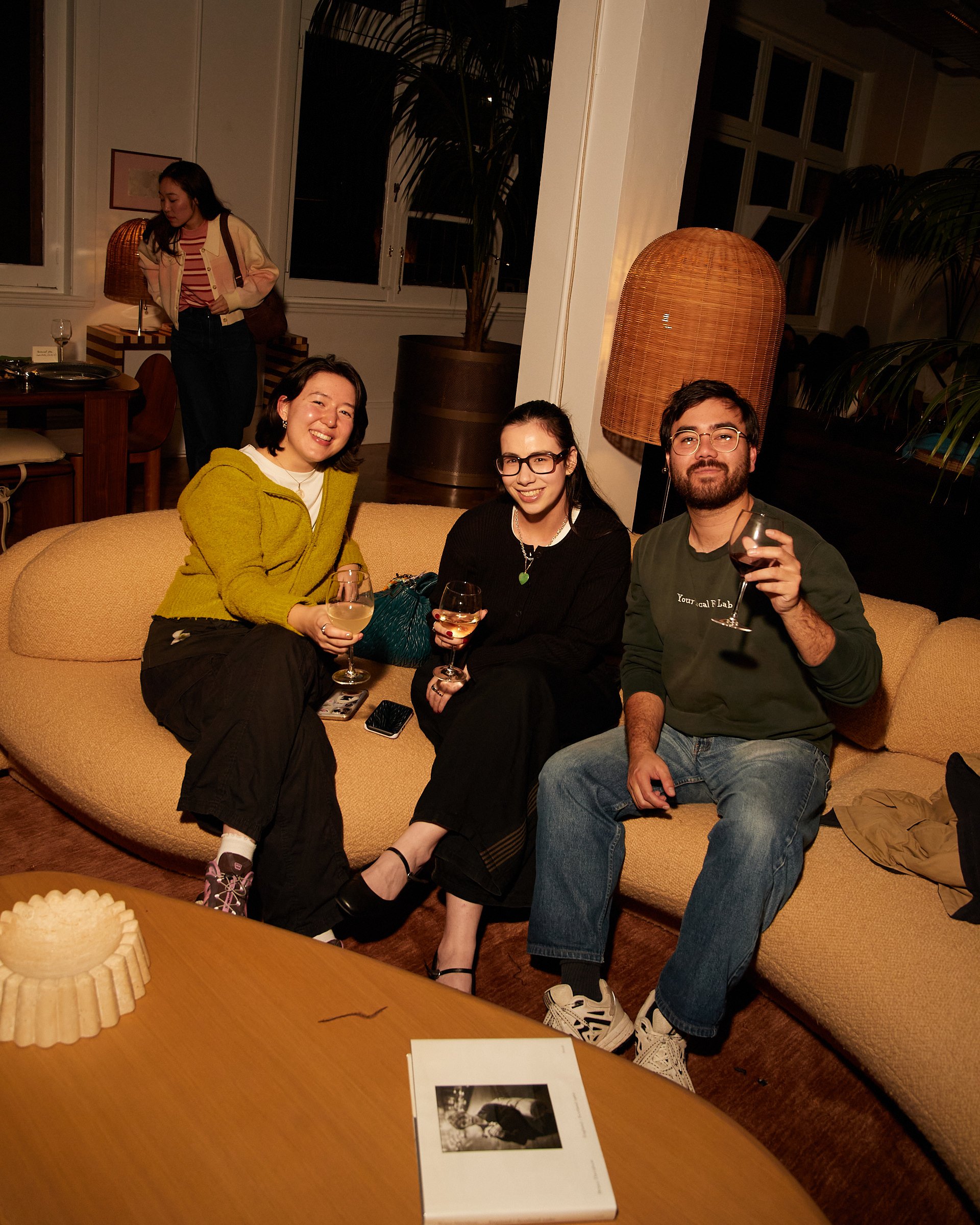
In the end, the evening became even more meaningful. Because while some invitations went unanswered, many were embraced wholeheartedly. So we kept extending them. Photographers invited founders. Artists brought friends. Designers introduced other creatives. Community leaders brought their people. Some travelled interstate. Some arrived alone. Everyone brought their whole hearts with them.
The evening offered something far more valuable than validation. Evidence. Evidence that the community exists. Evidence that people are hungry for these spaces. Evidence that the challenges MADE IN KIN speaks about are not imagined, exaggerated or existing only inside our heads.
The absence of certain people told one story. The presence of nearly 100 others told a far more interesting one.