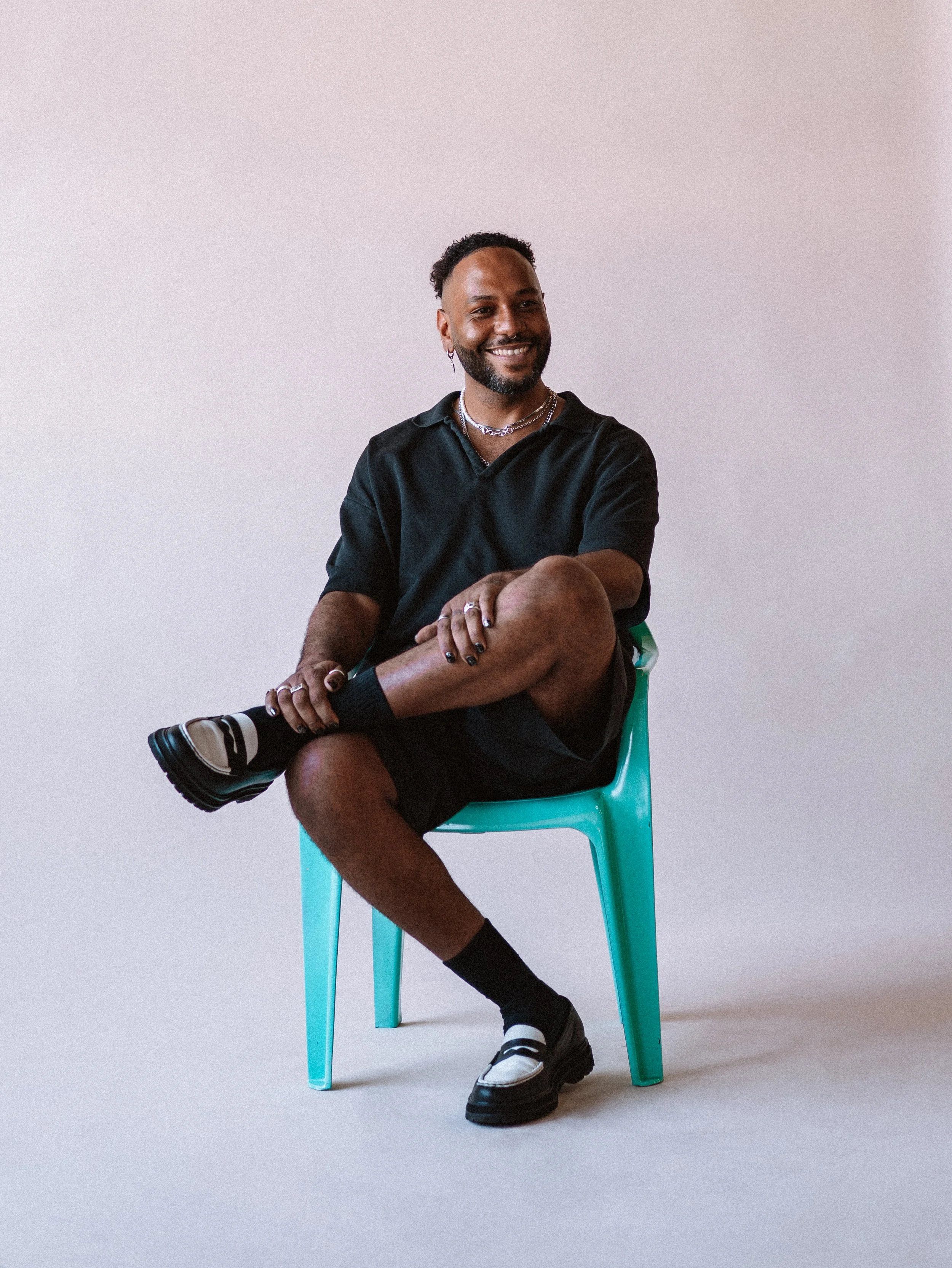
Unlearning Silence as Survival
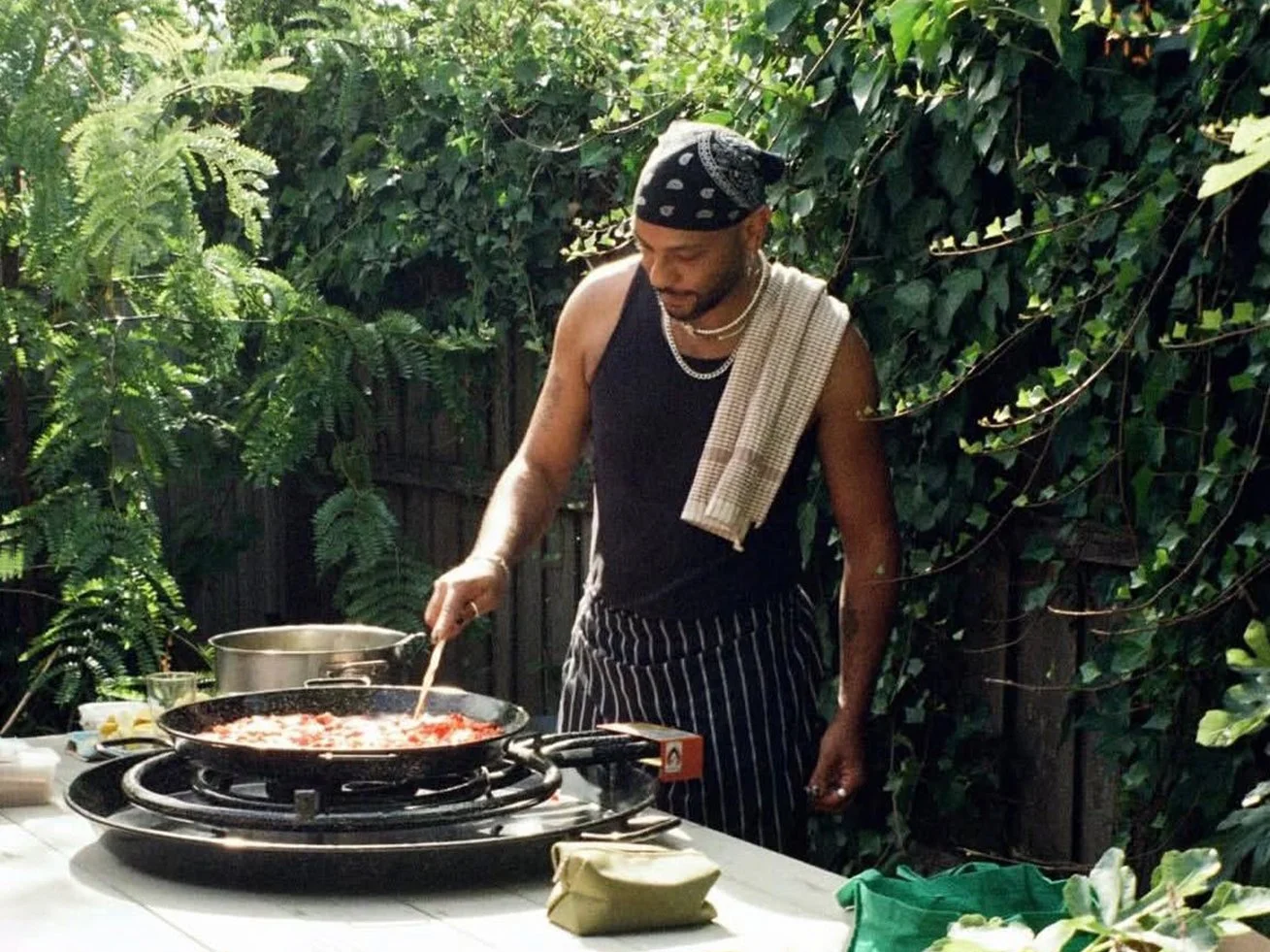
Cooking at a private event in Melbourne. Hospitality would eventually become one of the places where I learned to use my voice.
For Sebastian Pasinetti , learning when to make himself smaller started long before he understood why. Growing up queer within an Italian family in Australia, silence became a way to move through the world safely – until the cost of constantly editing his voice, body and identity became impossible to ignore.
I learned how to change my voice long before I understood why I needed to.
Sometimes it was instinctive: a tightening in my throat, a flattening of sound. Other times it was deliberate. In certain rooms, around certain people, my voice learned how to behave.
The first time I learned that silence could keep me safe, I was five years old.
I had just moved from London to Australia and was suddenly surrounded almost entirely by my white Italian family. Not unfamiliar, but narrow. I didn’t have the language for it then, only the instinctive understanding that not all parts of me were welcome to arrive at once.
My nonno wasn’t a frightening man. He was simply stern. Controlled. Unemotional. His authority didn’t need to announce itself; it lived in the room. I learned quickly that volume, softness and curiosity were things to be managed around him. Silence wasn’t demanded. It was absorbed.
What went quiet first was my voice.
When I answered the landline at home, people assumed I was my twin sister. At school, classmates asked whether I was a boy or a girl. In my family, the running joke was when my balls would drop or, in translation, when my voice would finally deepen enough to resolve their confusion.
No one had to tell me to speak less. The world did that work for me.
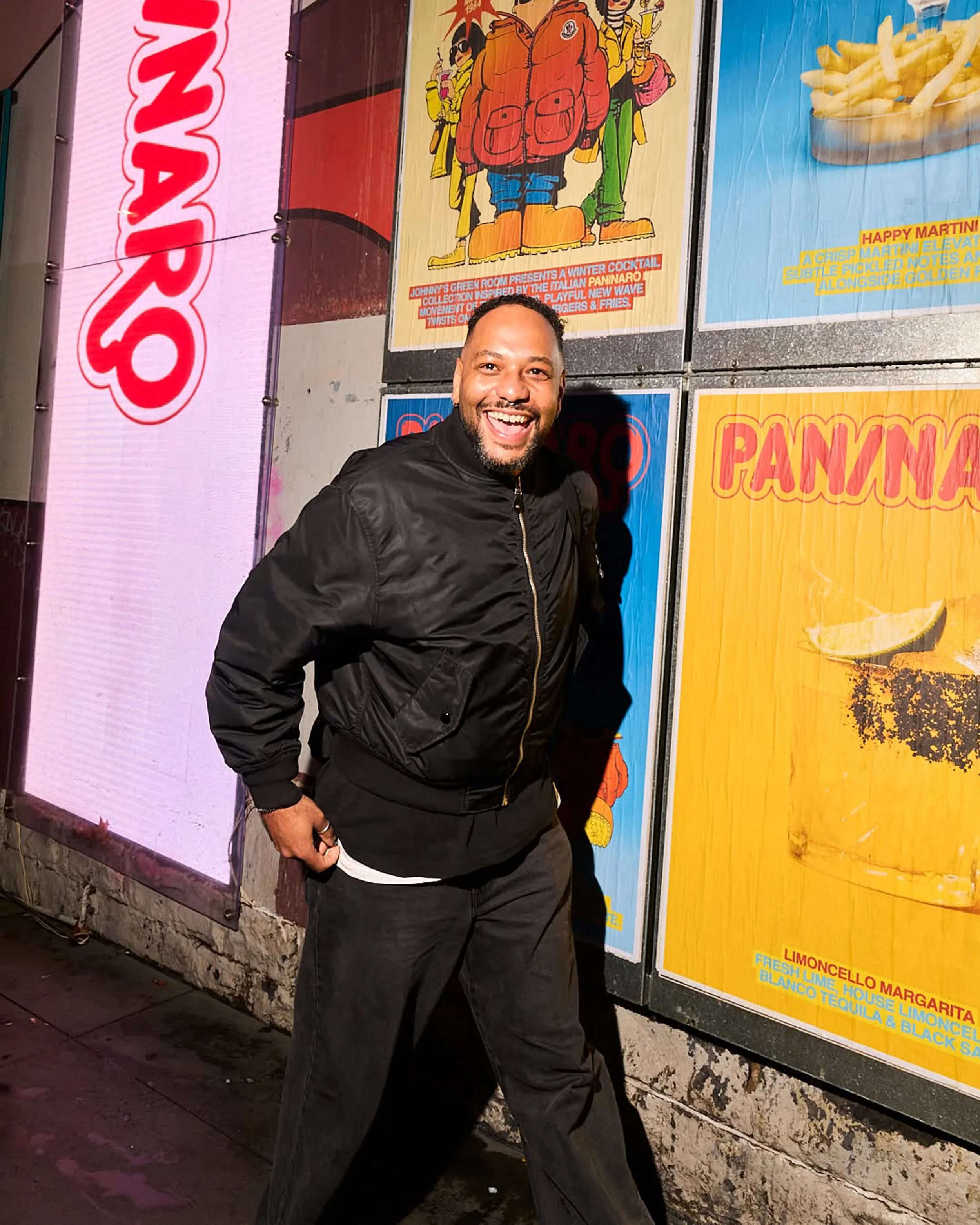
Outside Johnny’s Green Room in Carlton, Melbourne – finding the confidence to take up space, both personally and professionally.
I learned that my voice caused friction. That it unsettled people. That it invited questions I didn’t yet know how to answer. Silence became a way to smooth myself out, to make the room easier.
Years later, that lesson followed me into hospitality.
At my first restaurant job, I would deepen my voice when serving tables of men. I learned which version of myself moved through a dining room without resistance. I straightened my mannerisms. I edited my language. I pretended to be straight.
Silence no longer meant not speaking. It meant managing. It meant adjusting tone, posture and presence. It was active labour – learned early, refined over time, rewarded often enough that I mistook it for safety.
That silence protected me a lot. My safety. My income. My authority. My place in the room. And underneath all of it, it protected that five-year-old boy who had already worked out that minimising himself was the cost of acceptance. For a long time, the trade felt worth it.
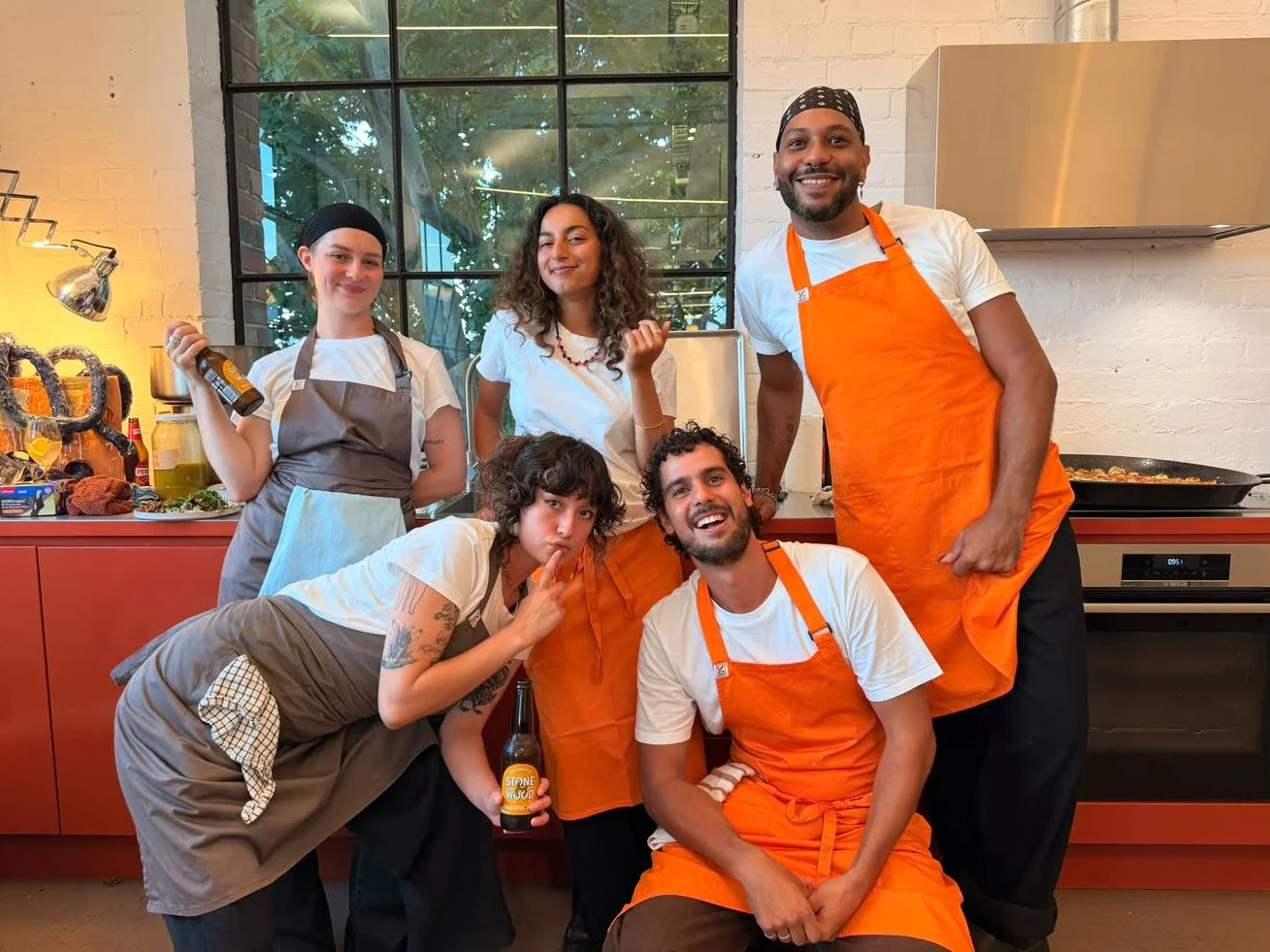
Cooking alongside friends and collaborators Playte – finding community in spaces where I no longer felt the need to make myself smaller.
But when I was nineteen, something shifted.
I was out of school and surrounded by a group of women who saw me without needing me to translate myself. We entered the nightlife together. I met people living openly, joyfully, unapologetically as themselves. For the first time, there was a visible alternative to containment.
The conflict between who I was protecting and who I wanted to be became impossible to ignore. The performance grew heavy. In hindsight, the silence was so loud.
What had once been instinctive survival became exhausting. I started to recognise the cost of carrying myself in pieces.
The exhaustion wasn’t just emotional. It lived in my body.
I had been athletic as a child and teenager – my body had been a shield, another way of moving through the world without question. Slowly, that stopped working; my body could no longer compensate for everything my voice couldn’t hold. Tension spread everywhere. Movement felt harder. The last place I could hide began to refuse the role.
My body knew before my language did.
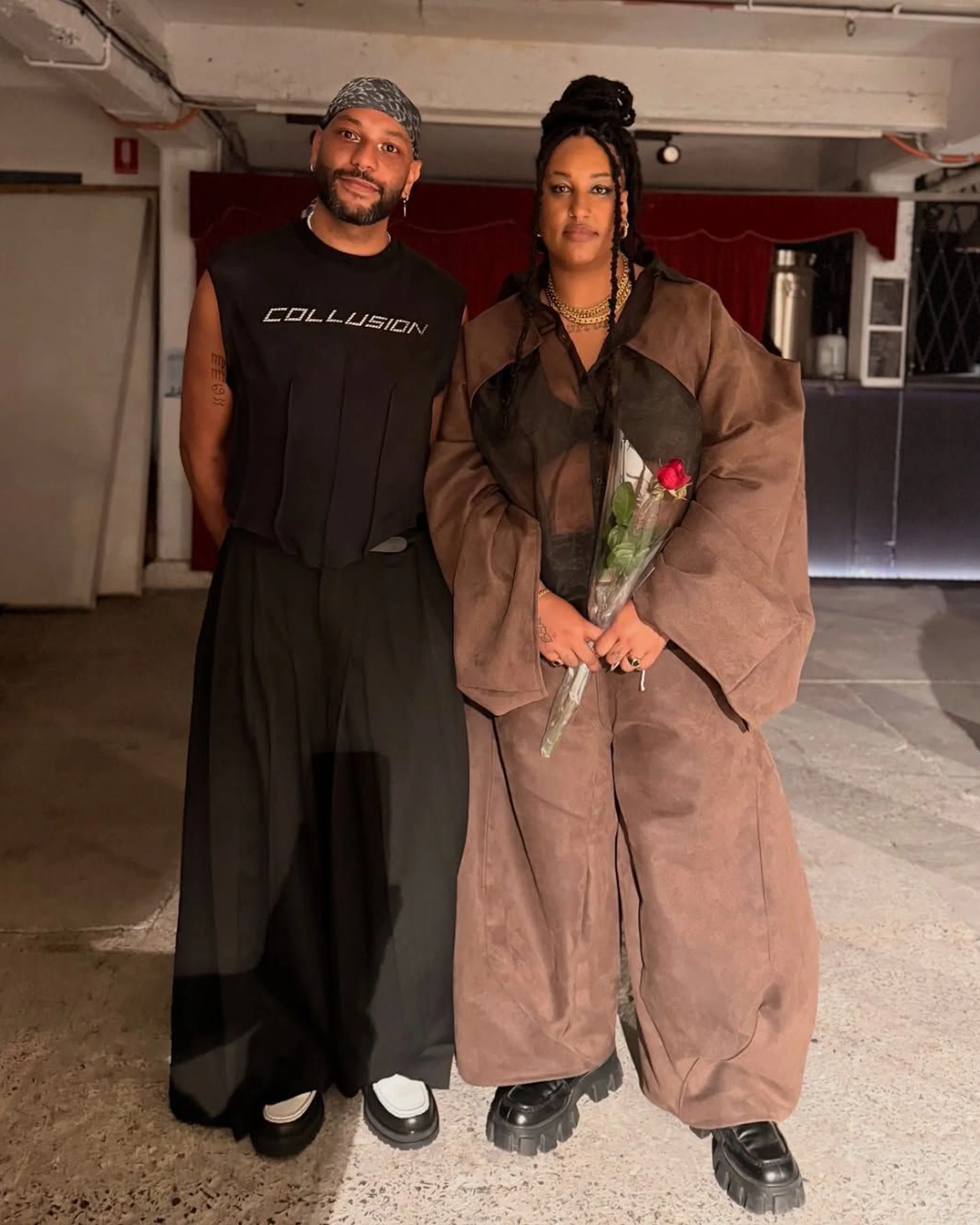
With my twin sister, Tinika – a relationship that has accompanied every version of who I’ve been and who I’m becoming.
What finally outweighed the fear of being seen wasn’t courage. It was an inheritance.
I watched unhealthy family dynamics and relationship patterns repeat themselves. I recognised futures I didn’t want to grow into. And somewhere in that realisation came the most unsettling recognition of all: I no longer recognised myself. Even looking in the mirror, I couldn’t tell who was looking back.
Silence had kept me safe in rooms. But it had slowly erased me in private. Carrying that every day became unbearable.
Breaking silence didn’t bring relief the way I hoped it would. It didn’t make me safer. In fact, it sharpened my awareness. Once I stopped numbing myself, I could no longer ignore the subtle homophobia, the casual racism, the small exclusions I had previously tolerated to belong.
Silence hadn’t removed danger. It had blurred my perception of it.
As I became more myself, the rooms I was in started to feel wrong. Eventually, I realised I couldn’t see myself reflected in the people around me anymore. So I left. Not dramatically. Just honestly.
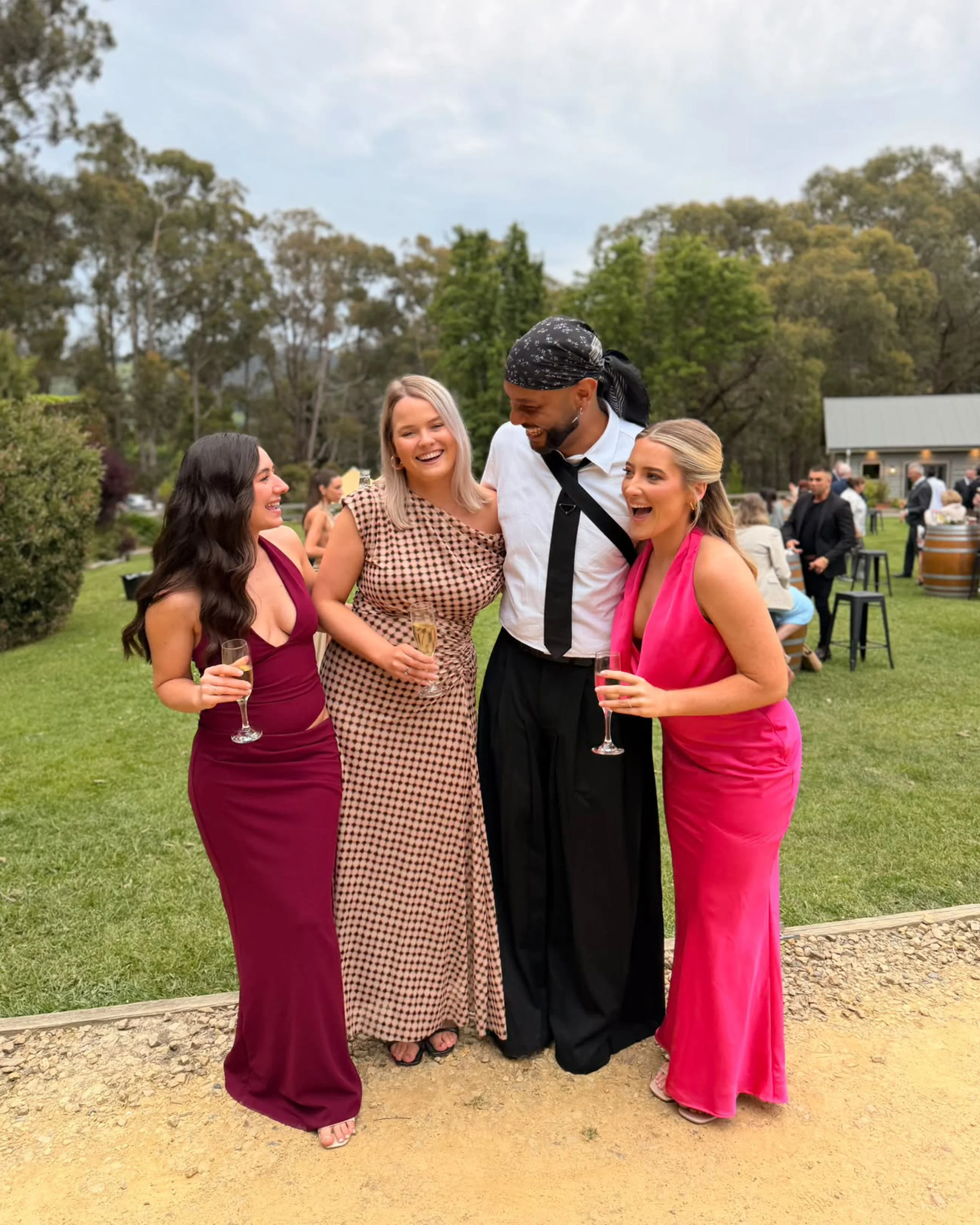
With friends from childhood – friendships that have endured through the different versions of who I’ve been and who I’ve become.
What I couldn’t see at five, or even at nineteen, was how little silence actually protects anyone beyond the moment. It doesn’t make rooms safer; it just makes them quieter. And in that quiet, nothing changes. I began to understand that every time I edited myself to belong, I wasn’t just disappearing; I was leaving no language, no example, no permission behind for the queer men coming after me.
What I understand now is simple, but it took me a long time to learn.
Regardless of the outside noise and injustice, the person I go to sleep with every night, the person I meet in the mirror, the voice that ruminates in my mind, is mine. Silence may have made things more comfortable for the community I surrounded myself with.
But it was the most unsafe thing for the most important person in my life. Me.